

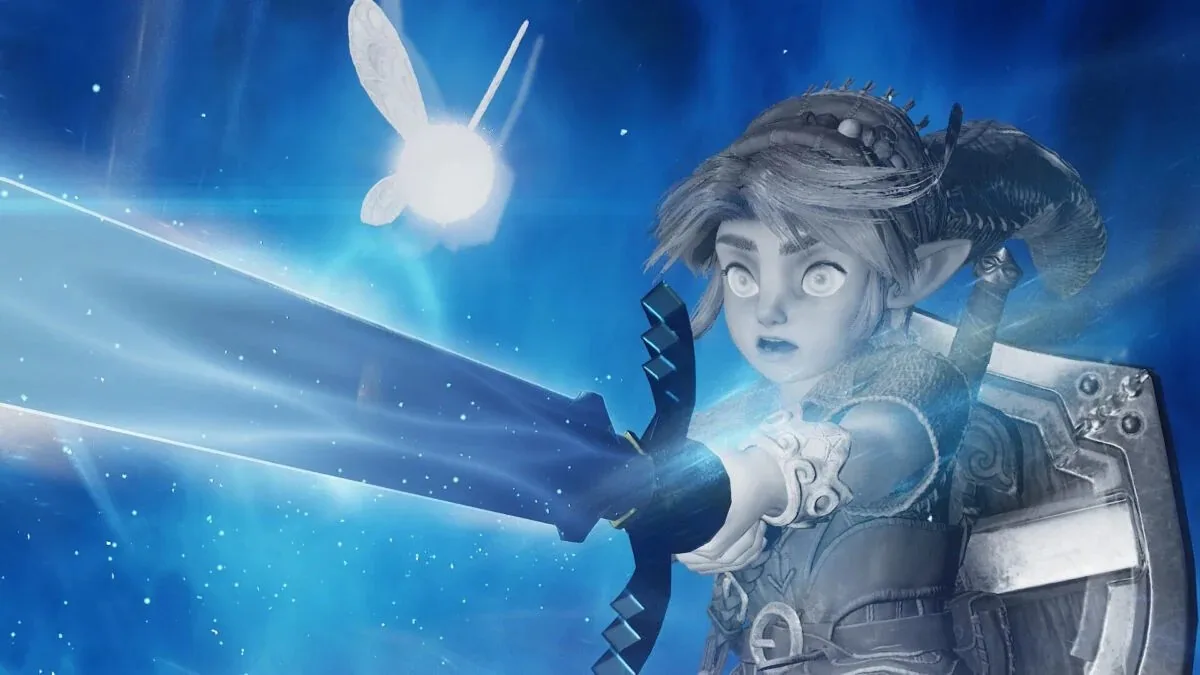
Most children dream of growing up quickly, eager to escape the rules they perceive as arbitrary and unfair. Parents often promise, “When you’re older, you’ll make your own rules.” For me, that moment came during my elementary school years, when I first played The Legend of Zelda: Ocarina of Time. At the time, Link’s seven-year slumber seemed like a dream come true—no longer bound by his small stature, he and I could embark on adventures and confront monsters. How naive I was.

It’s been nearly 30 years since I last revisited Ocarina of Time. While I’d always sensed a melancholic undertone to the series, the distance of time has revealed a deeper truth: Ocarina of Time is a tragedy. The Hero of Time saves Hyrule, but at the cost of his own innocence. Though he can return to his childhood, the horrors of witnessing his once-safe world desecrated remain etched in his memory—a child’s heart trapped in a body that has grown stronger, yet never truly aged.
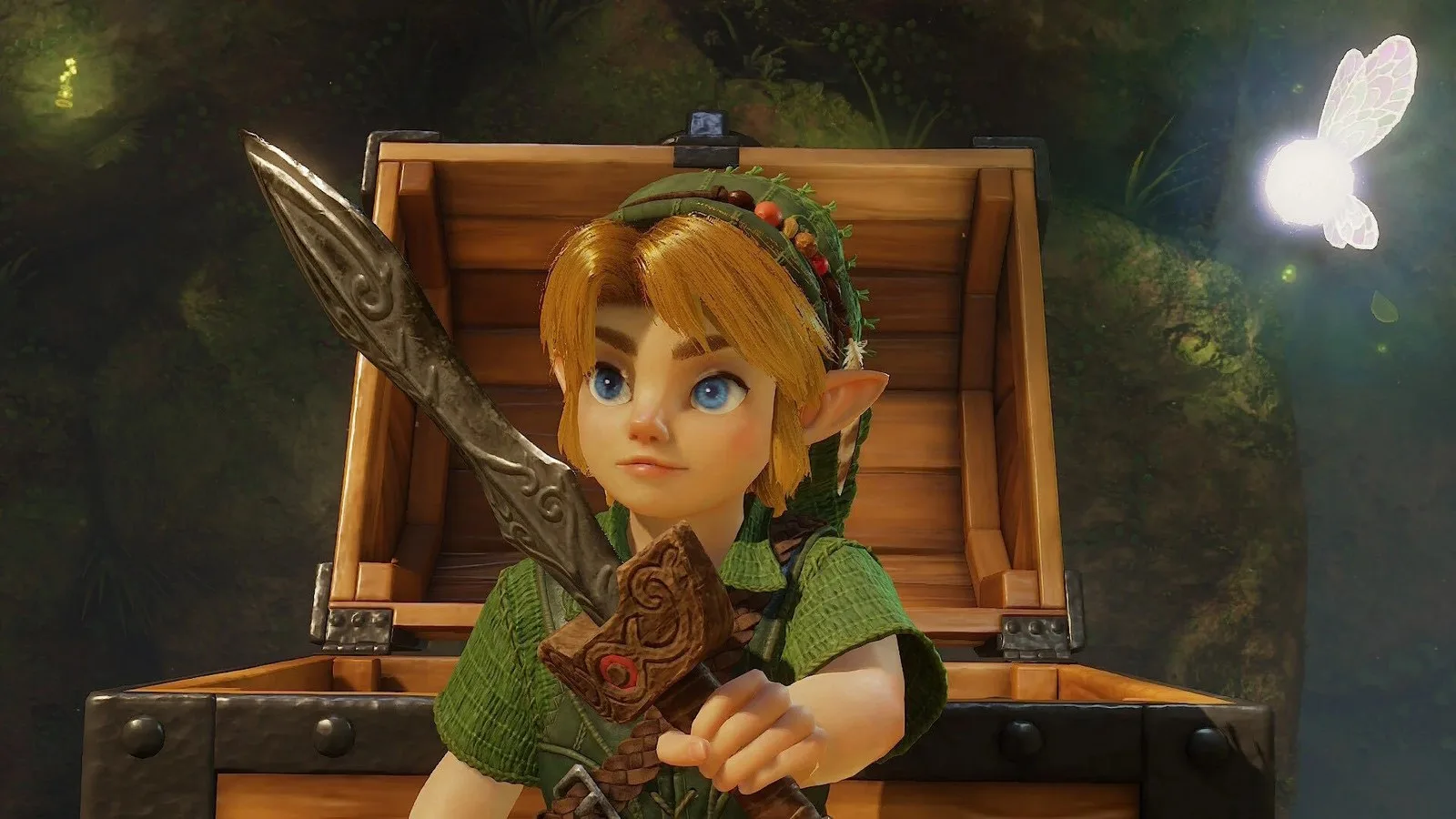
For those who’ve played Ocarina of Time, the lead-up to the time skip in the remake feels profoundly unsettling, even amid the childlike whimsy surrounding Link. His design is more expressive and youthful than in the original Nintendo 64 version, and subtle dialogue details underscore his vulnerability: he calls the king of evil “Danondorf,” stands barely three apples tall, and sports the pout of a child who hasn’t yet learned to cover his mouth when coughing. This isn’t the archetypal hero; it’s a wide-eyed toddler imitating the warriors of tales he’s only just begun to hear.
As one matures, the reality of heroism often falls short of the legends. Yet in Ocarina of Time, Link isn’t given a choice—he’s thrust into this role at an age when his understanding of heroism is shaped only by simple childhood stories. The game’s narrative forces him to age seven years, not by choice, but to wield the Master Sword and confront an evil no one else can.
The concept of “stolen” lives recurs throughout Ocarina of Time. Many of those “destined” to save the world find purpose in their role, even if it means abandoning their former lives. The Sages tell Link this directly: though they can never return to their families, they find joy in being part of something greater. Link, however, is treated as a tragic figure—a child dragged into this struggle without time to grow or decide for himself. Zelda sends him back to his childhood, hoping he might reclaim the life he deserved. But it’s not that simple. The remake makes this fate starkly clear: Rauru, the Sage of Claro, conveys Link’s loss of seven years with genuine remorse, not as a mere fact.
I wonder if Nintendo will eventually remake Majora’s Mask, the even more somber sequel set in this new timeline where Link manages to live out his childhood—only to be haunted by his forgotten heroics. Saving the timeline comes at a cost: if done correctly, no one will ever know of his sacrifices. This version of Link spends his days protecting Hyrule and later Termina, relying on time travel and repetition to fulfill his role as hero, only for his efforts to be erased by time’s relentless tide.
This enduring regret keeps his tormented soul alive for centuries, manifesting as the Hero’s Shade in Twilight Princess. He longs for his deeds to be remembered, for tangible proof of his legacy. Perhaps, if he cannot be remembered as a hero, the lessons learned across his invisible lives can be passed to someone who might be. Thus, he teaches the Link of Twilight Princess skills crucial to defeating Ganondorf in his own timeline, ensuring his impact endures even if his name is forgotten. Centuries later, the Hero of Time still protects his inner child, for even after finally aging as he should have, he cannot let go of the lives he was forced to witness.
The Zelda series has long embraced somber narratives, often conveyed subtly for fans to interpret. Yet lore bibles and official materials have turned theories into canon. Legends once debated in online forums are now documented facts, stripped of nuance and interpretation. Still, it’s refreshing to see the Ocarina of Time remake treat the Hero of Time’s tragic journey with the gravity it deserves.
Have thoughts, questions, or benchmarks on this topic? Join the discussion on our forums.
Join Discussion ➔






















Participe da conversa