

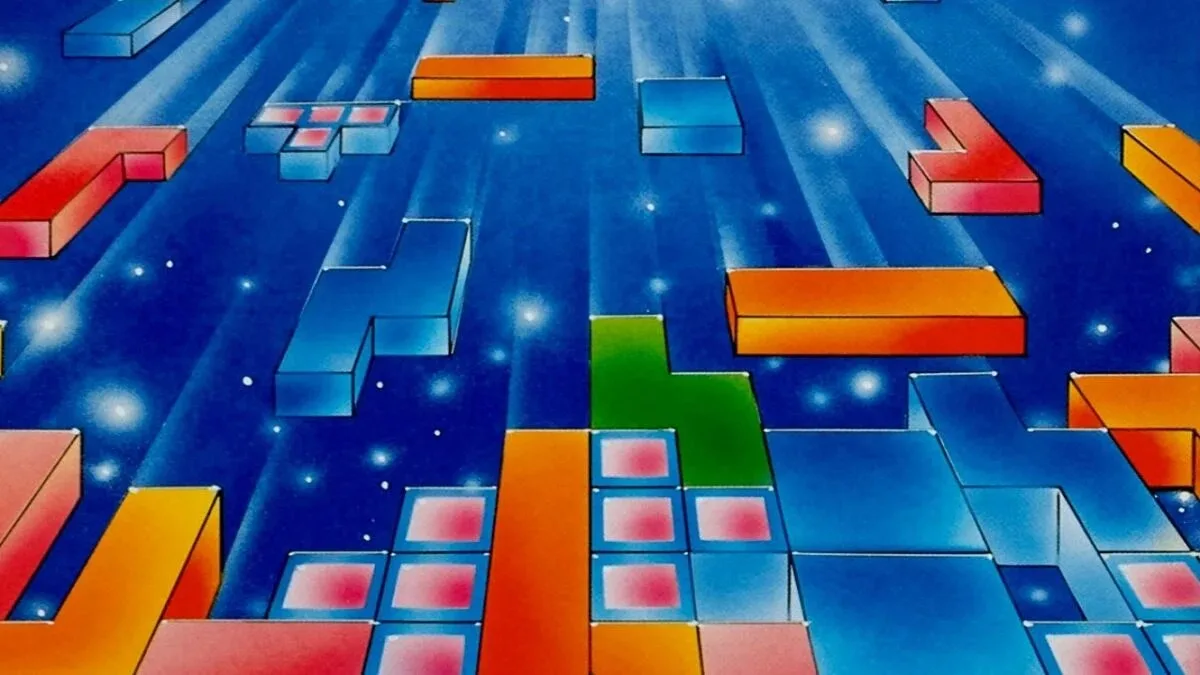
For decades, The Tetris Company has been the industry’s most feared name in intellectual property enforcement. From crushing lawsuits against mobile developers to relentless legal campaigns against studios and businesses worldwide, no one—not Apple, not Google, not even governments—has ever dared to cross its path without consequences. And now, for the first time on record, that reputation is being tested against a sitting administration.
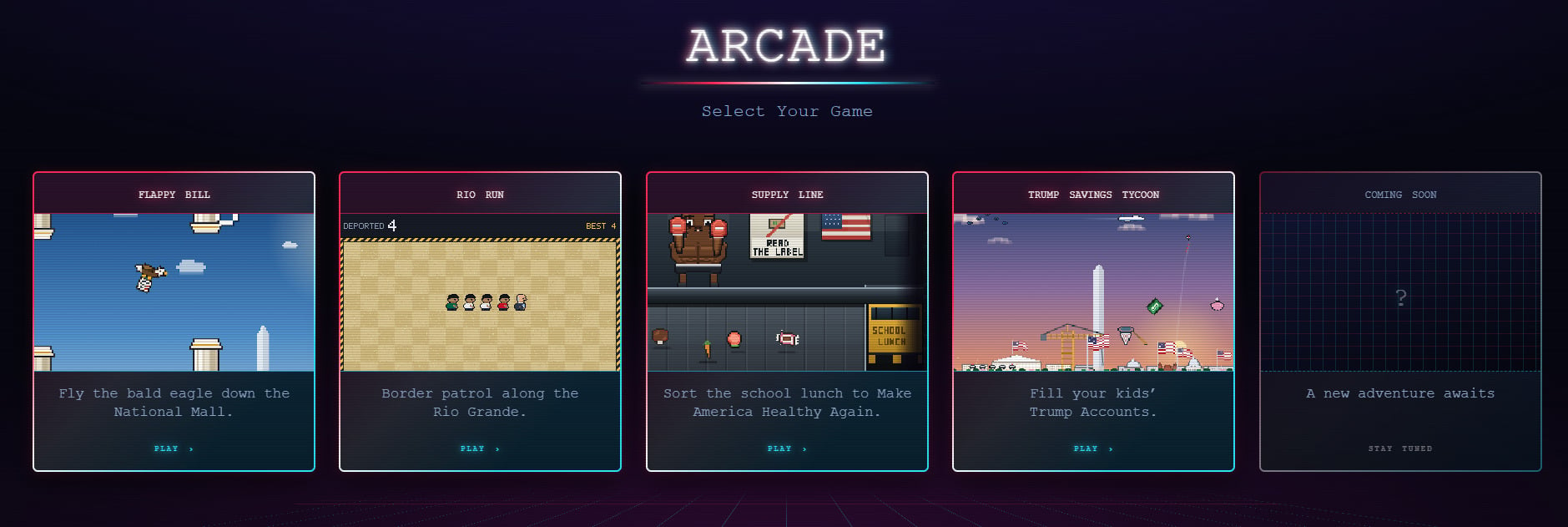
On September 4, the White House launched an “arcade” website packed with crude, racist web games inspired by beloved franchises. Among them was a Snake knock-off where players collect immigrants in a chain behind a white officer to deport them from the United States—and a poorly built Tetris clone titled Build the Wall, in which players construct the fabled border barrier between Mexico and the US. Just hours after the site went live, The Tetris Company posted publicly that it had nothing to do with the game, reaffirmed its belief in “connecting people,” and issued a clear warning: it takes copyright infringement very seriously.
The result? By the morning of September 8, Build the Wall was gone. The parody game vanished from the White House’s web portal—and what remained was one of the most significant moments in modern gaming IP history.

A Deep Dive Into Tetris and the Law
To understand why this moment matters, you have to look at Wikipedia itself. Scroll down any page for The Tetris Company, and you’ll find its longest section dedicated entirely to legal battles—including some genuinely overzealous ones against other studios and businesses across the globe. From Puzzle & Dragons to countless mobile reskins, the company has built an empire on one principle: intellectual property is sacred, and infringement will be pursued relentlessly.
This isn’t just about a game—it’s about precedent. The White House arcade site was a political statement dressed up as nostalgia bait, using AI and video editing tools to manufacture propaganda featuring Halo, Pokémon, Call of Duty, Animal Crossing, and more. In nearly every one of those cases, the rights holders publicly distanced themselves but stopped short of threatening legal action.
The Tetris Company, however, said “Nah”—and it seems to have won. As noted by Kotaku’s documentation of the site as of September 8, the clone is no longer playable. This appears to be the first real example of a video game company hinting at a possible legal challenge against the Trump administration’s continued use of copyrighted imagery in official government channels.
The message from the industry is now unmistakable: you don’t fuck with The Tetris Company. And hopefully, other rights holders will grow a spine and push back in future disputes.
Platform Nuances & What This Means for Developers
Beyond the legal drama, this story highlights something crucial about how IP protection operates across different platforms. Unlike traditional game releases—where PC, PlayStation 5, Xbox Series X/S, and mobile each carry distinct certification processes and storefront protections—the White House arcade site operated in a gray zone of government-run web content that bypassed standard publishing safeguards.
| Feature / Platform | Technical Specifications & Performance |
|—|—|
| Platform Support | PC (Web Browser) — no console or mobile storefront involvement |
| Tetris Clone (“Build the Wall”) Status | Removed from White House arcade site as of September 8, 2025 |
| Other Arcade Games | Snake clone (immigration-themed), plus AI-generated propaganda featuring Halo, Pokémon, Call of Duty, Animal Crossing |
| Resolution / Frame Rate | Standard web browser rendering; no dedicated performance targets reported |
| Release Date | September 4, 2025 (clone removed within ~72 hours) |
| Rights Holder Response | Public clarification + copyright infringement warning from The Tetris Company |
The absence of any formal certification process is telling. Unlike a Steam release or a PlayStation Store listing—where trademark and IP compliance are enforced at launch—the arcade site relied on no such gatekeeping, which made it uniquely vulnerable to legal pressure.
Industry Impact & Community Reaction
The reaction across the gaming community has been swift and overwhelmingly supportive. Developers who have spent years protecting their own IPs against knock-offs saw a rare victory where the underdog—ironically, the government itself—was forced to back down. For many indie creators whose games get cloned overnight by AI tools or reskinned for mobile markets, this sets a powerful precedent: even the most powerful institutions are not immune to copyright enforcement.
The broader implications extend far beyond one removed game. If rights holders begin routinely challenging government use of copyrighted imagery, we could see a new era of IP protection that reaches into political and institutional spaces—not just commercial ones. Japanese officials have already been lobbying Trump to stop posting political memes involving franchises like Mario, Pokémon, and Naruto, signaling that this tension is only beginning.
Still, questions remain about enforcement consistency. While The Tetris Company has an unmatched track record, other studios have historically chosen diplomacy over litigation—perhaps wary of the cost, or perhaps simply lacking the same institutional muscle. Whether future rights holders follow suit will depend on how much they value their IP enough to fight.
Frequently Asked Questions
Q: What exactly was removed from the White House arcade site?
A: The Tetris clone titled “Build the Wall,” in which players construct a border barrier between Mexico and the United States. It was pulled within roughly 72 hours of the site’s September 4 launch.
Q: Why did The Tetris Company take action against this game?
A: The company publicly clarified it had no involvement in the game, reaffirmed its mission of “connecting people,” and warned that it takes copyright infringement very seriously—consistent with its long history of pursuing legal action against clones.
Q: Has any video game company ever sued a government entity before?
A: No. This is widely considered the first documented case of a game rights holder hinting at legal action against a sitting administration’s use of copyrighted imagery, marking a significant precedent in gaming IP history.
Q: What does this mean for other developers protecting their IPs?
A: It signals that even powerful institutions can be held accountable for copyright infringement. While enforcement has historically been inconsistent across studios, The Tetris Company’s success may encourage more rights holders to push back against AI-generated clones and unauthorized use of their franchises.
Have thoughts, questions, or benchmarks on this topic? Join the discussion on our forums.
Join Discussion ➔






















1 comment