

The Long Game: Maximizing Your Early-Game Profits in Stardew Valley
Welcome to “The Long Game,” a new series at IGN where we delve into strategies for maximizing your returns on early investments within games. We’re kicking things off with Stardew Valley, the beloved indie farming sim that celebrated its 10th anniversary this year. If you haven’t yet experienced the charm of escaping corporate life to revitalize your grandfather’s farm, prepare for a relaxing but surprisingly deep gameplay loop.
Getting Started: Laying the Foundation
In Stardew Valley, success hinges on balancing resource management with long-term planning. While fishing and mining offer immediate income, cultivating crops provides a sustainable revenue stream. However, not all crops are created equal. Let’s explore four key plants that will set you up for early-game prosperity.

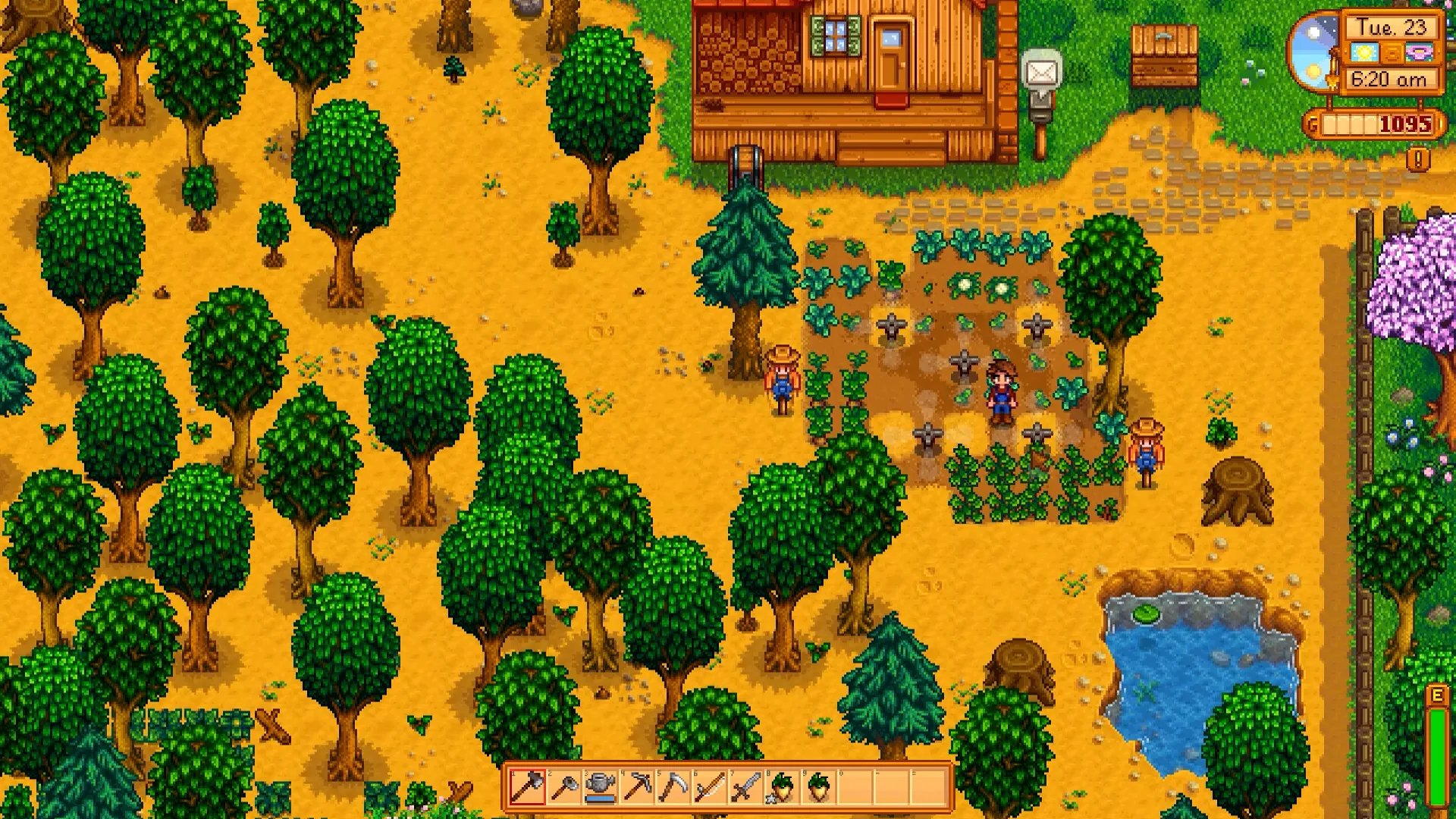
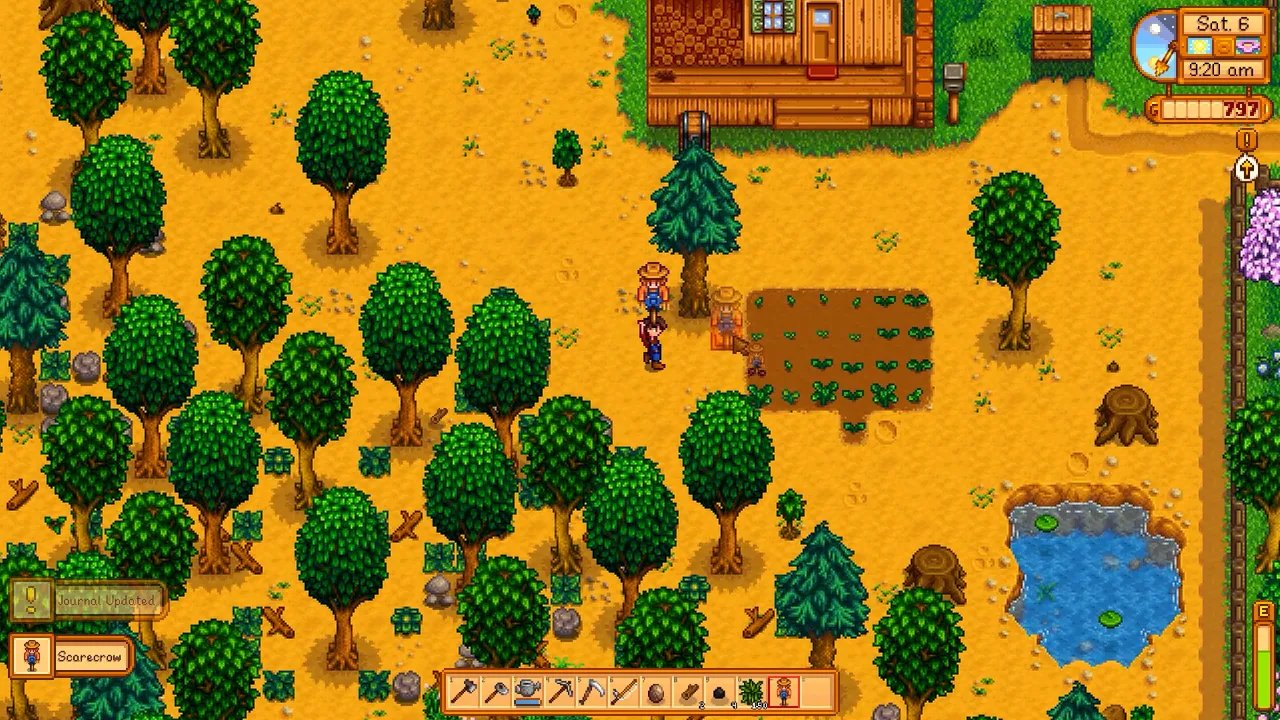
Before diving into specific crops, remember these essential farming tips. Daily watering is crucial unless it rains; check the TV in your farmhouse for weather forecasts. Crafting scarecrows protects your precious harvests from pesky birds, and sprinklers automate watering, saving you valuable time. Finally, be mindful of seasonal changes – each crop thrives only during its designated season.
Parsnips: The Humble Beginning
Parsnips are your gateway to profitability. You receive a handful of free seeds at the start, and additional seeds cost 20 gold each from Pierre’s General Store. They mature in just four days and sell for 35 gold apiece. While the profit margin seems small, consistently planting parsnips throughout spring provides a steady income stream. Their short growth time allows you to stagger plantings, ensuring a continuous supply of cash.
Potatoes: The Double Harvest Gamble
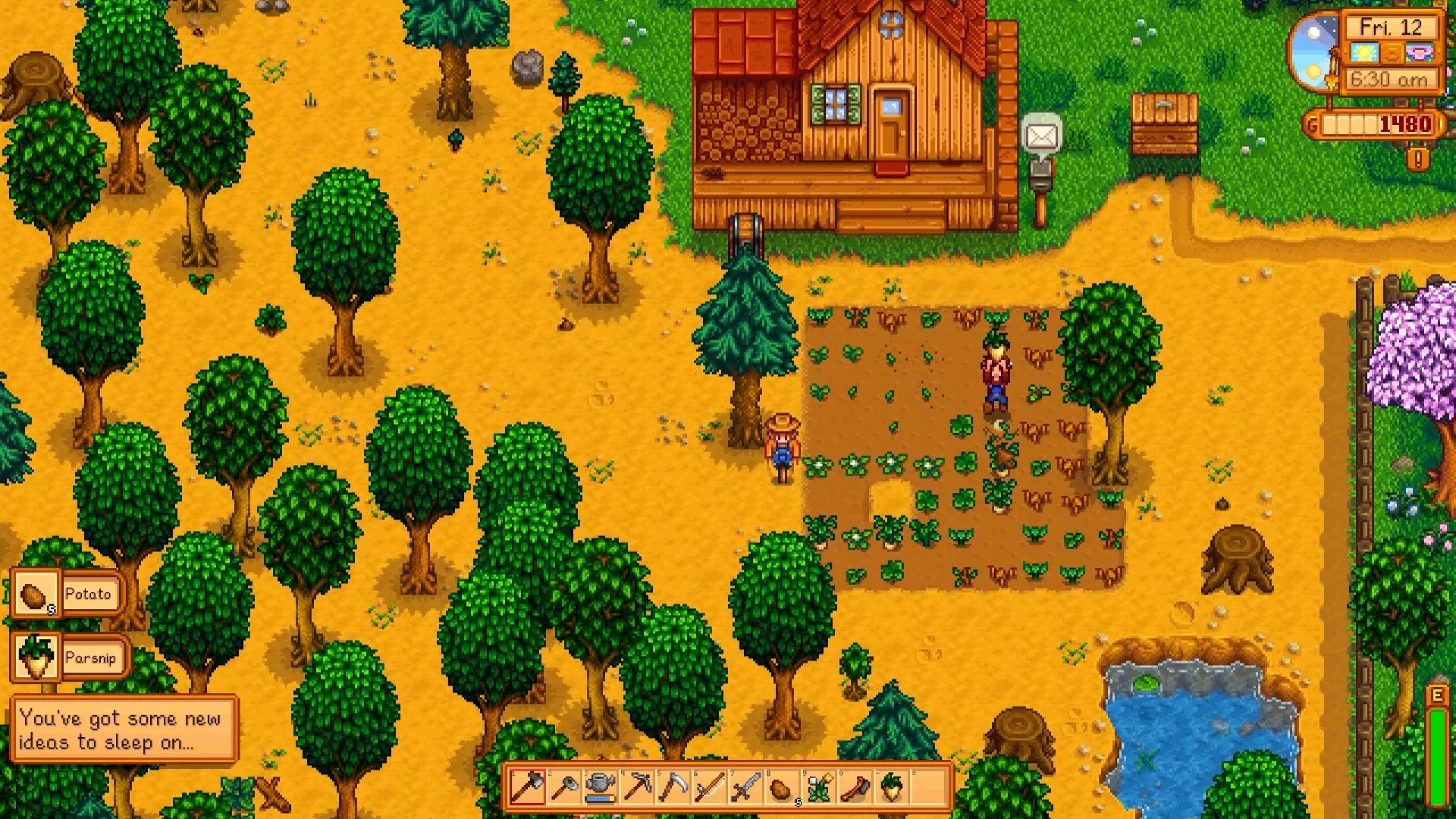
Potatoes offer a higher upfront cost (50 gold) but yield a greater return (80 gold). However, their six-day growth cycle requires careful planning. The real magic lies in the chance of a “double harvest” – each potato has a 20% probability of yielding two potatoes instead of one. This gamble can significantly boost your profits, making them worth incorporating into your crop rotation.
Cauliflowers: Patience Pays Off
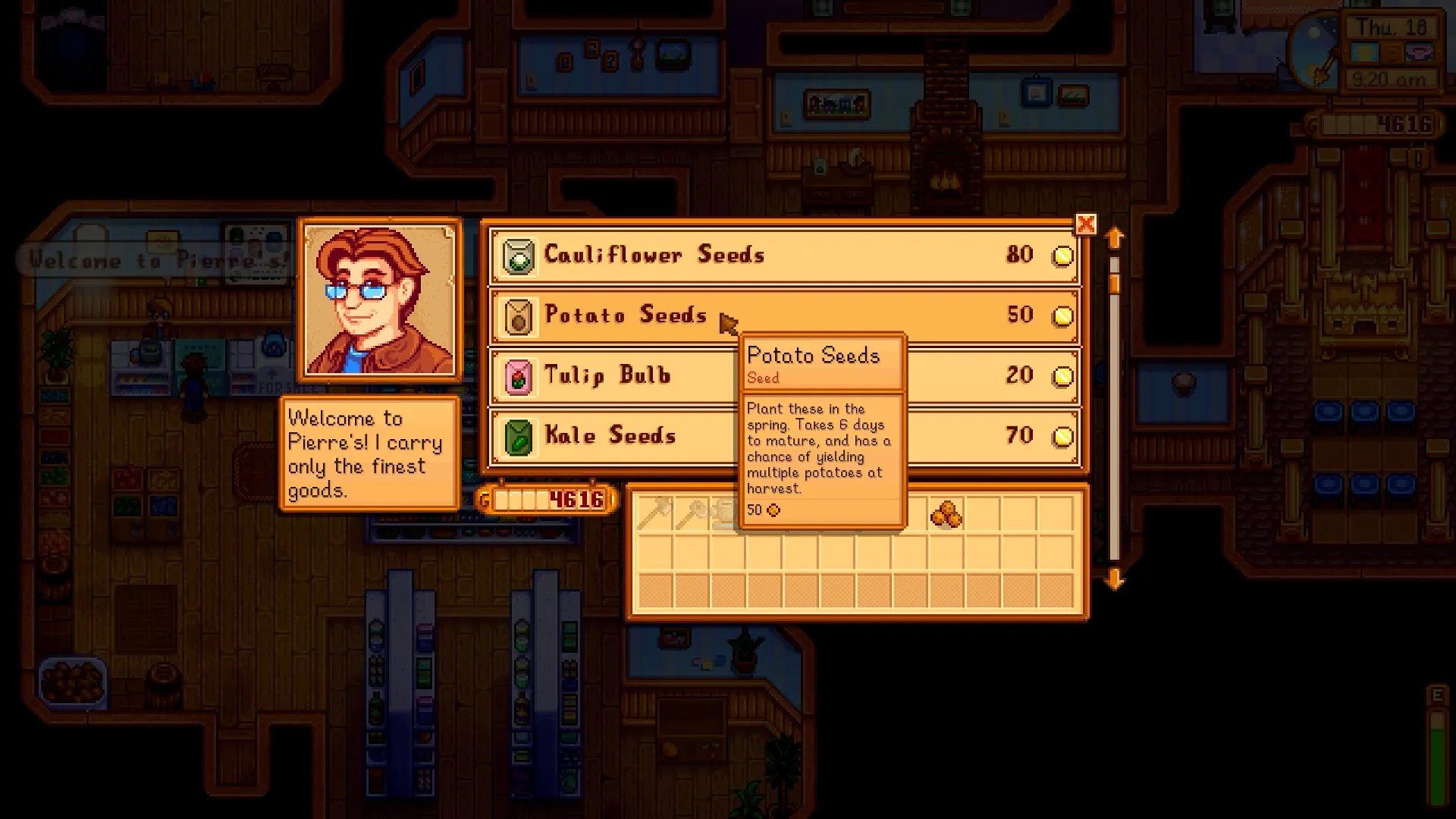
Cauliflowers require a 80 gold investment, the same amount you receive for selling a potato. However, they command a premium price of 175 gold, offering one of the highest profit margins among spring crops. Their 12-day growth cycle is lengthy, demanding careful timing to maximize your harvest before the season ends. By strategically using funds from potato harvests to cultivate cauliflower, you’re essentially turning an 80 gold investment into a 175 gold return.
Furthermore, planting cauliflower can trigger a special event: Jodi will request a fresh cauliflower, offering 250 gold in exchange. Being prepared for this request can significantly boost your profits.
Strawberries: The Ultimate Early-Game Powerhouse
Strawberries represent the ultimate early-game investment, requiring a different approach to unlock their full potential. Available for purchase during the Egg Festival on Day 13 of spring for 100 gold each, they’re initially expensive but offer unparalleled returns. Plant most of your strawberry seeds immediately, saving a few for later use.
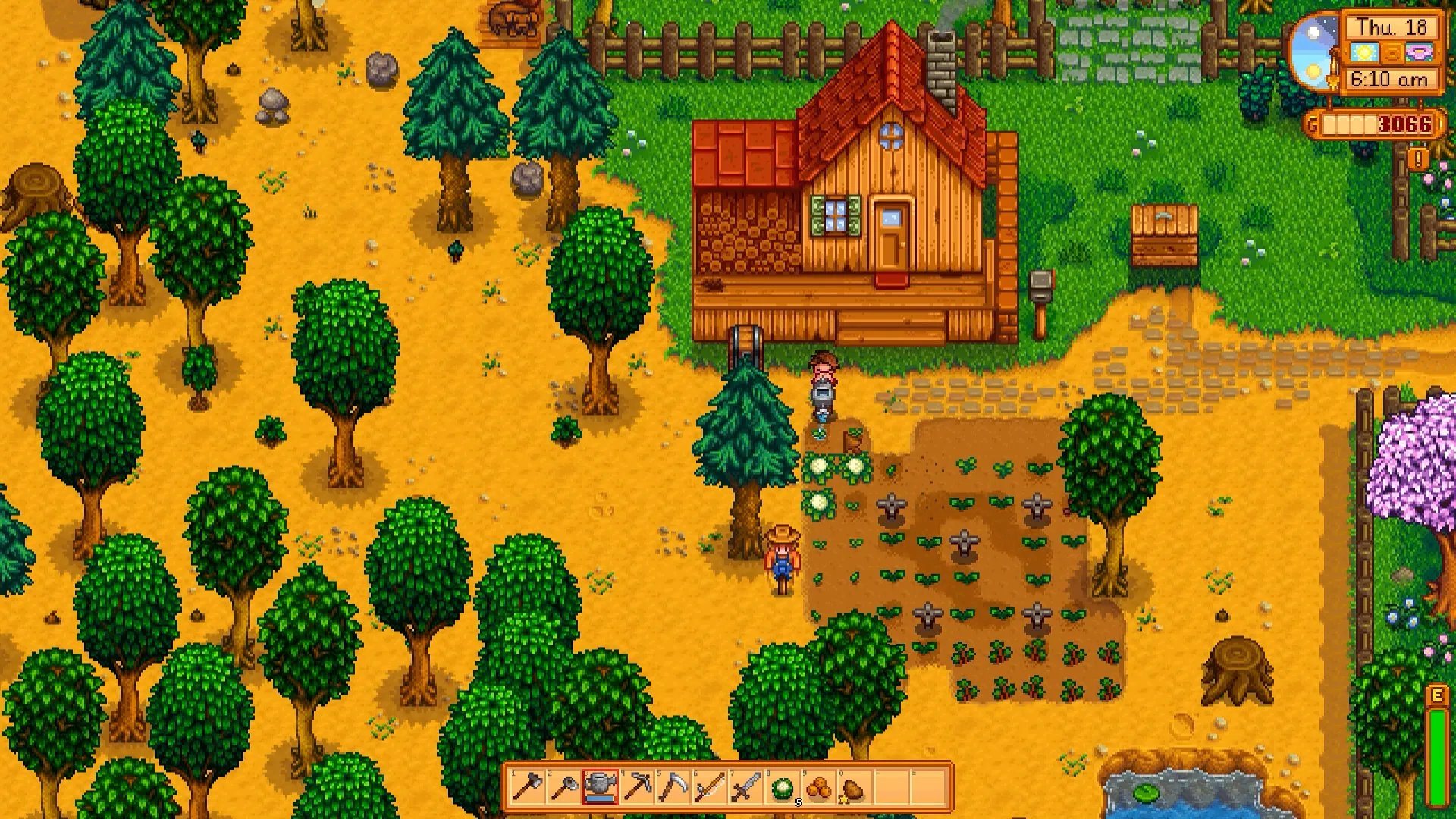
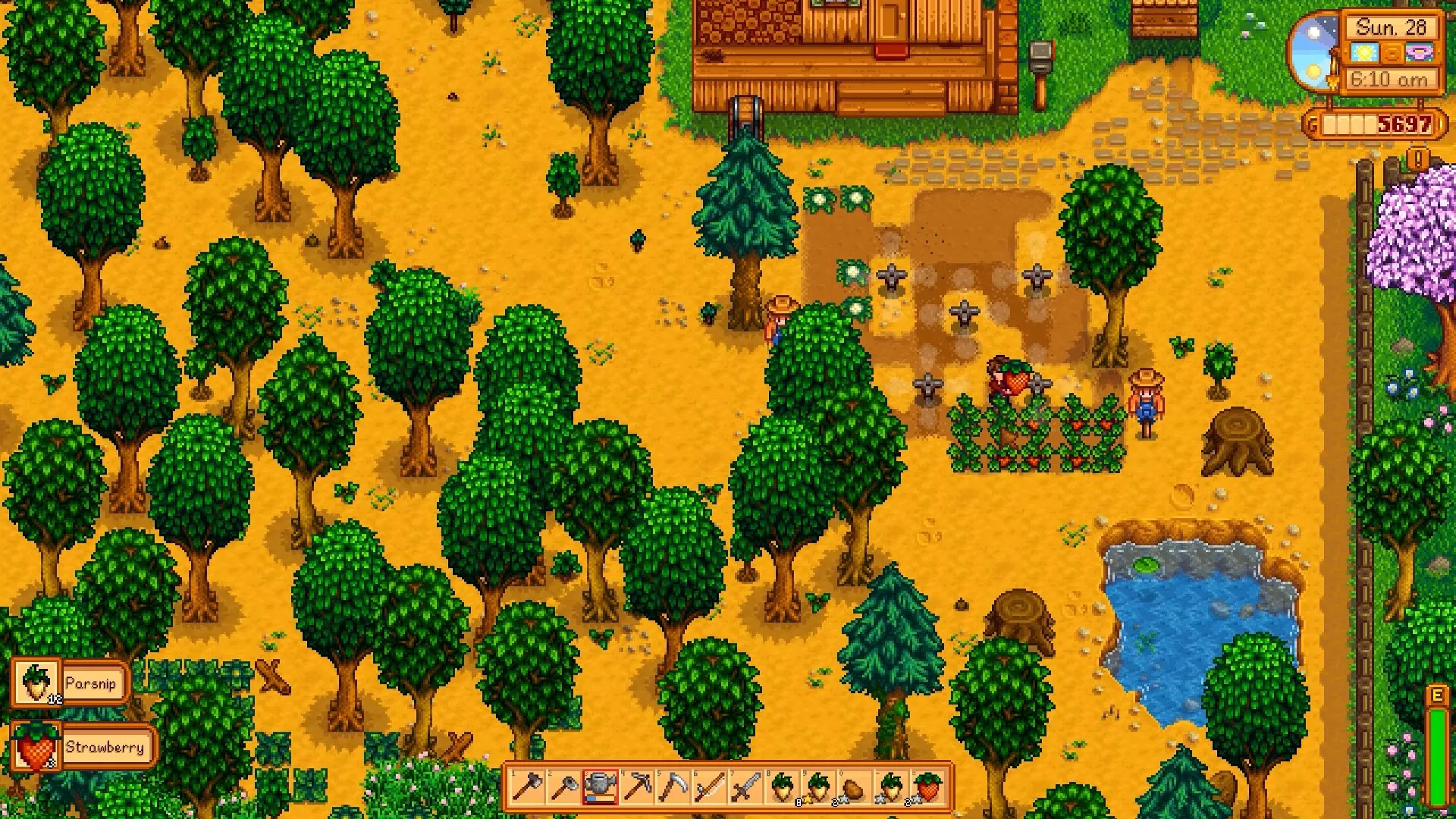
Strawberries mature in eight days and regrow every four days, allowing for multiple harvests before the end of spring. There’s also a chance to harvest an extra strawberry with each yield, although the odds are lower than with potatoes. Selling strawberries earns you 120 gold per berry. By planting them early, you can potentially harvest twice before the first spring ends, generating 240 gold from your initial 100 gold investment.
The real magic happens in the second spring. Planting the saved strawberry seeds allows for a full season of growth, maximizing your profits. Using Speed-Gro fertilizer when planting ensures six harvests, generating an astounding 720 gold from your original 100 gold purchase, with any double harvests adding even more profit.
So, whether you’ll be hopping into Stardew Valley for the first time or are a seasoned veteran, we hope this guide has been helpful. Let us know in the comments if there’s anything we missed, and stay tuned to IGN for more insights from “The Long Game” series.
Source: IGN























Join the conversation