

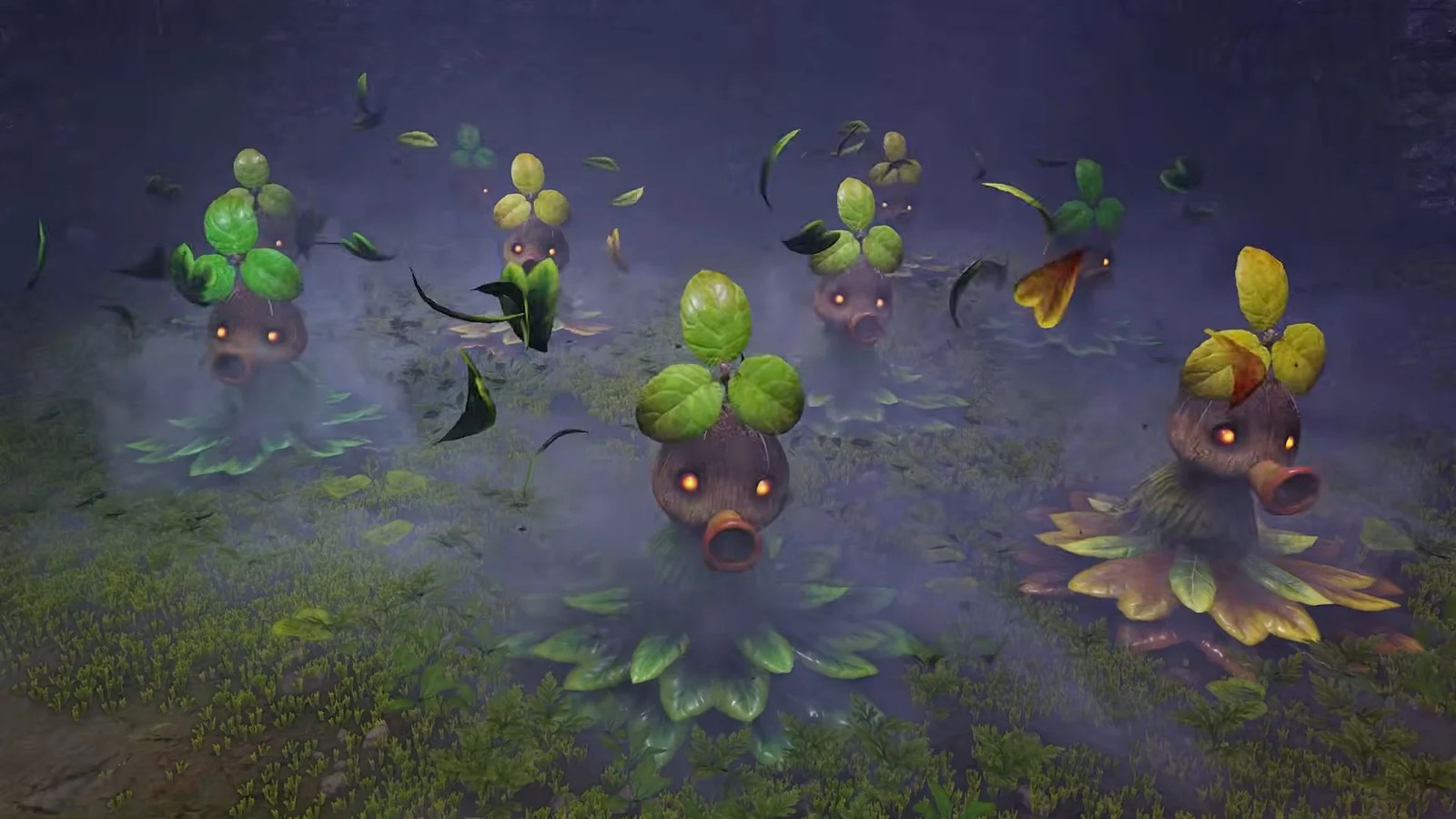
The Legend of Zelda: Ocarina of Time is receiving a full modern remake that launches on the Nintendo Switch 2 on November 5, 2026, transforming the beloved 1998 classic for a new generation of players. Far beyond the photorealistic visuals that have dominated promotional material, the remake introduces a sweeping set of gameplay overhauls that reshape how players navigate Hyrule, from fully controllable jumping and proper underwater swimming to a free-rotating camera and voice-acted cutscenes. The changes, some highlighted directly by series producer Eiji Aonuma during the game’s gameplay presentation and others far more subtle, signal Nintendo’s intent to preserve the original’s spirit while updating its mechanics for contemporary expectations.
For players who first experienced Ocarina of Time on the Nintendo 64, the remake represents both a familiar journey and a notably different one. The most visible shift is the addition of full voice acting, replacing the original’s grunts and vocal cues with fully realized performances.
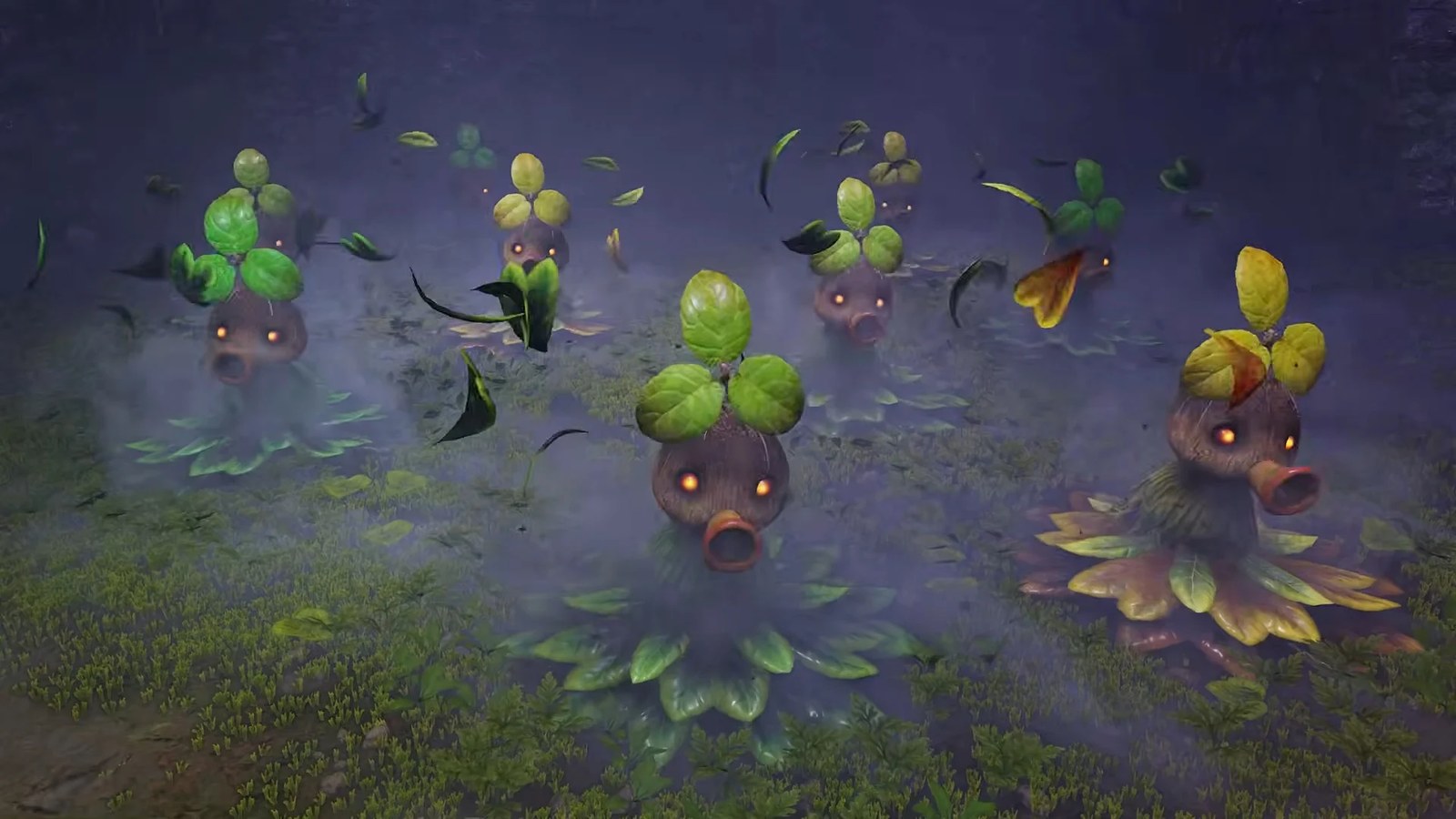
The classic adventure, long regarded as one of the most influential games ever made, now arrives with a level of polish that redefines how its iconic moments play out.
Controls and Movement Get a Modern Overhaul
Perhaps the most eagerly anticipated changes touch on the core movement systems that long frustrated players. Link can now jump on cue, eliminating the need to line up a sprinting charge at a cliff’s edge to trigger the game’s auto-jump. Swimming has likewise been overhauled, with Link able to dive underwater properly, earning a speed boost on a button press while drawing on a short stamina bar that prevents indefinite submersion.
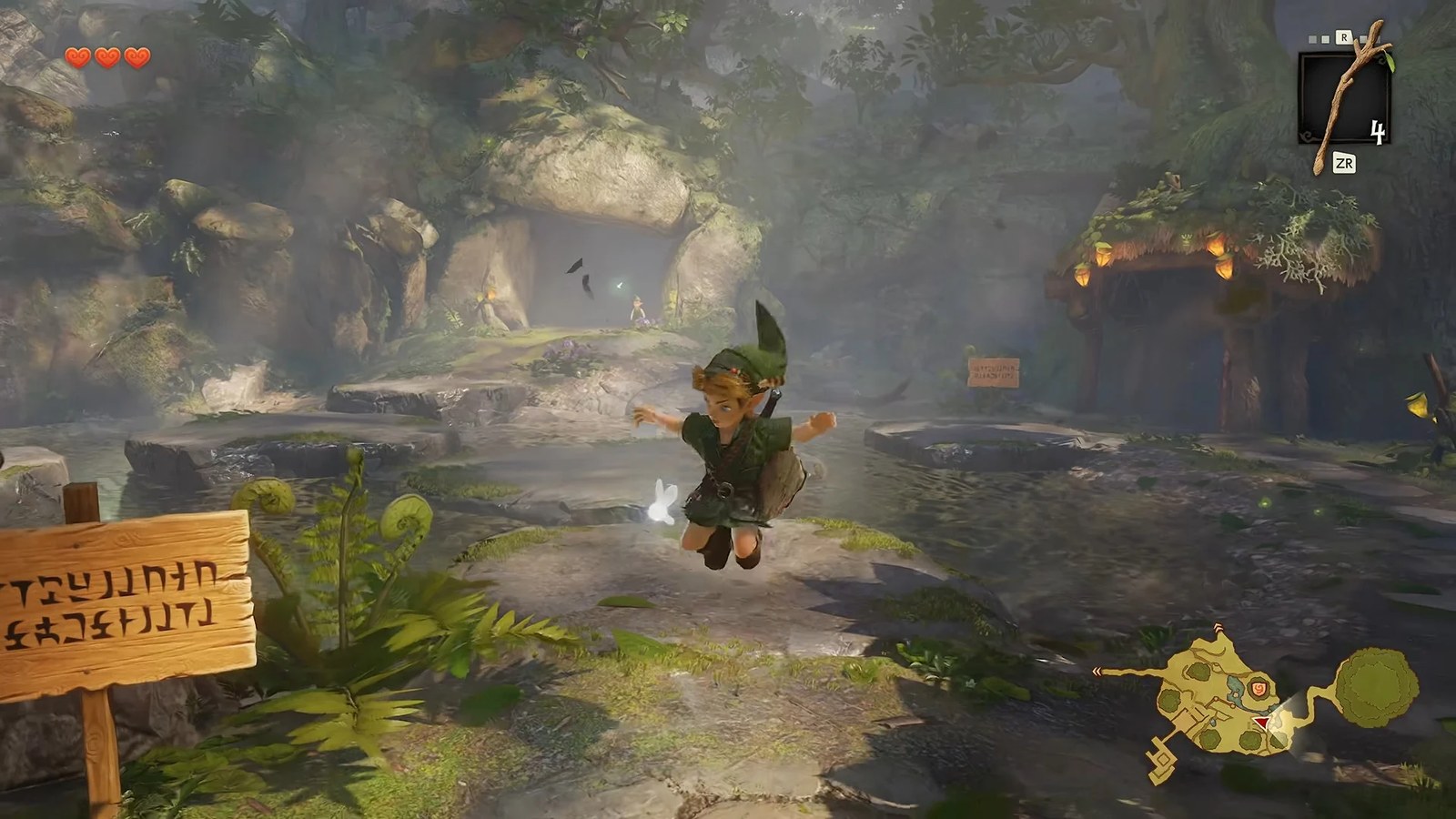
The era of awkward iron boot maneuvers for staying underwater is over.
Movement across land has been refined as well. Holding the A button while rolling lets Link break into a sprint that outpaces his previous top speed, while iron boots can finally be mapped to a dedicated button, a convenience first introduced in the 3DS version and now returning to the series.
A Freely Rotating Camera and Living World
One of the most significant technical shifts is the introduction of a free-rotating camera, replacing the original’s combination of a clunky targeting system and automatic camera snapping. This freedom extends to previously fixed-camera areas such as Castle Town, revealing spaces that were never visible in the original.
The world itself has been reshaped. Hyrule Field’s topography has been altered, with the removal of the original’s signature elevation vista and a reshaped Lon Lon Ranch that no longer sits atop a plateau. A new marshland area has been added to a previously empty corner of the map, making use of the Switch 2’s improved draw distance to reward players with a more expansive sense of scale. Castle Town has been similarly transformed, now teeming with far more inhabitants than its original incarnation.
Time itself now flows through towns as well as the open field, allowing Castle Town to transition seamlessly from night to day. Some town layouts have been reworked too, with the construction site in Kakariko Village relocated and a new sewer area added beneath Hyrule Castle, changes that may challenge players relying on memory rather than maps.
The team wanted to preserve loading screens between major areas to keep the same feel of the original game, while removing them when entering buildings like shops to make exploration far more seamless.
Eiji Aonuma, Producer
Subtle Touches and Community Speculation
Among the more subtle refinements, the Lens of Truth now appears as a pair of goggles that Link physically wears, lending a greater sense of realism than the original’s simple camera overlay. Dungeons have also been reworked so that their mechanisms operate with a more believable cause-and-effect logic, such as replacing a floating platform with a crumbling log bridge tied to later puzzle solutions.
Players have also spotted a potential change to their inventory. some folks have pointed out that Link appears to carry a 200-rupee cap in the preview build, a notable increase from the original’s starting 99-rupee limit that forced players to abandon excess rupees. Whether this becomes a permanent feature remains to be confirmed.
Perhaps most delightfully, the game now accepts songs played by humming, singing, or even playing a real instrument into the controller’s microphone, offering a more accessible route for players who can hit the notes but struggle with the button sequences.
Looking Ahead
With the release date set for November 5, 2026, the remake sits just over a month away as of the latest coverage, generating considerable excitement among both longtime fans and newcomers who discovered the original in recent years. Nintendo’s approach suggests a careful balancing act: honoring the structure and atmosphere that made Ocarina of Time a landmark while removing the friction points that dated its original controls. As the community continues to dissect trailers and gameplay footage, the full scope of these changes will only grow clearer, building anticipation for a remake that aims to redefine a generation’s introduction to Hyrule.



1 comment