

 •
•Fourteen years after its release, The House in Fata Morgana remains a standout example of horror storytelling in video games, earning comparison to the literary ghost stories of M.R. James and Shirley Jackson rather than the more visceral tales of Stephen King.
The game is a visual novel — essentially a book’s worth of text set against music and artwork — which positions it as an accessible entry point for those wary of traditional horror games, according to Polygon’s report.

Visual novels have occasionally earned reputations for padding their runtime with scenes of seemingly minor significance. The acclaimed Higurashi: When They Cry is cited as a prime example; its slower moments eventually pay off by adding depth through accumulated detail, yet the genre can still feel drawn out.
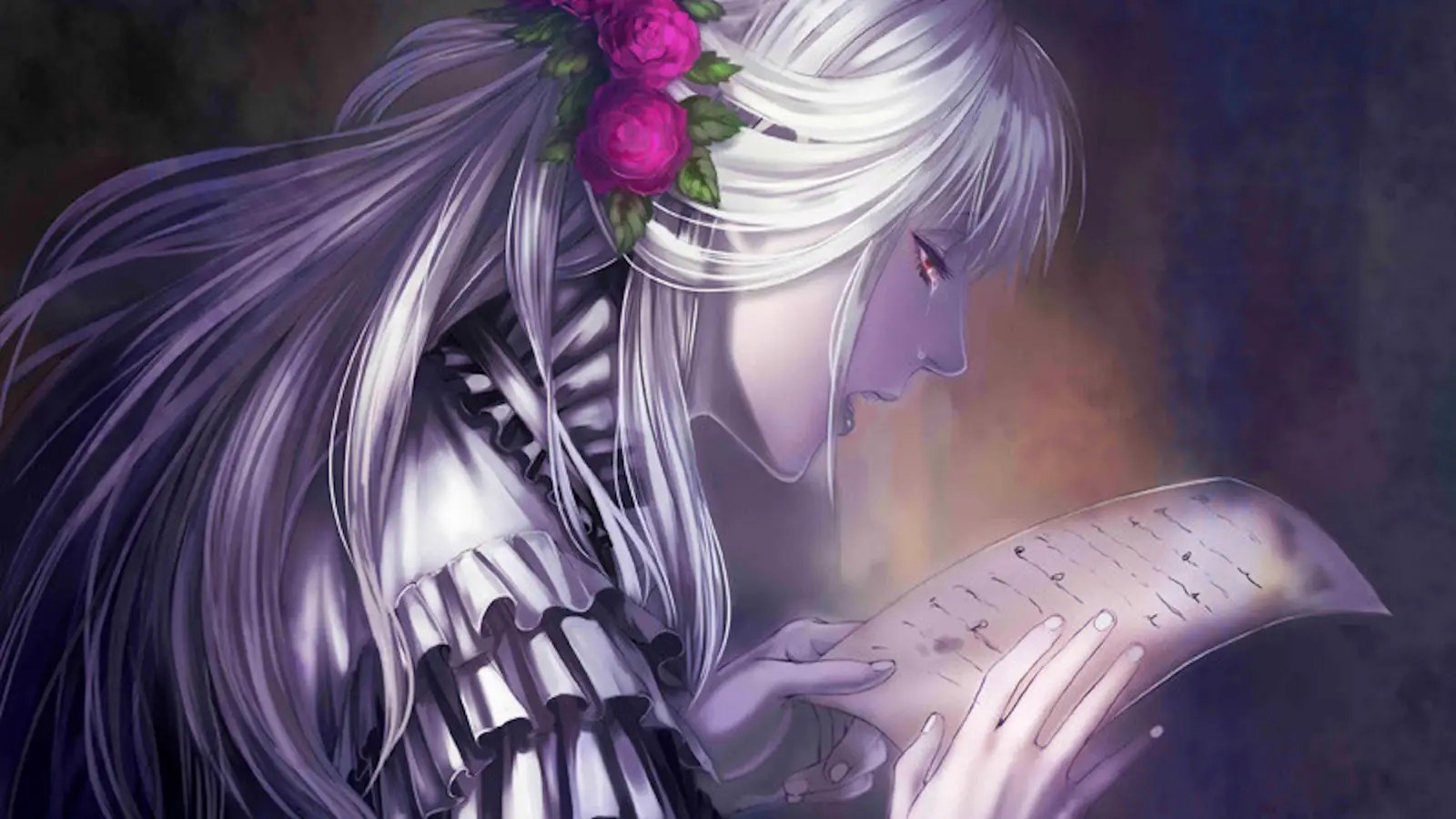
Fata Morgana avoids this pitfall. Its narrative opens on a dark and stormy night, with an unnamed protagonist seeking shelter in a vast mansion devoid of life behind its windows. A strange maid — seemingly the only soul within — welcomes them inside and offers to reveal the home’s true history.
Rather than discussing architecture or renovation dates, she guides visitors through chambers that each house a chapter of the manor’s unsettling past. One era, defined by Jacobean-style obscene jealousy, ends in hideous murder. A century later, a serial killer makes his lair within the walls and falls for a young woman whose naive optimism cannot alter his doomed trajectory.
The game’s central tragedy lies not in fate but in human nature. Its characters could have taken different paths at any moment, yet their weaknesses and selfish arrogance repeatedly propel them toward ruin. The villains become monstrous by choice, indulging their most selfish impulses at the expense of others, while its best characters suffer by trusting those they believed incapable of cruelty.
The report concludes that the true horror lies not in some shadowy creature lurking in bloodstained halls, but in the capacity for friends, family, and lovers to become such a beast.























Gå med i konversationen