

Behind the polished visuals and commercial triumph of Stellar Blade lies a harrowing development story that nearly ended before it began. Shift UP CEO Hyung-Tae Kim has revealed that the studio faced a severe financial crisis during the game’s creation, at one point able to fund staff salaries for only about three months. Speaking to Korean gaming outlet Inven, Kim detailed how investors doubted the project’s viability, questioned whether the studio should even be pursuing such a title, and ultimately helped propel a game into commercial success that has since reshaped the company’s fortunes.
The revelation arrives as Shift UP capitalizes on the momentum of its breakout hit, currently working on the sequel Stellar Blade: Blood Rain. The contrast between the studio’s precarious early days and its current standing underscores a broader narrative about South Korea’s growing influence in the global triple-A development space, a trend that has seen other local studios achieve remarkable commercial success in recent years.
A Development Built on Doubt
According to Kim, the path to Stellar Blade was never an easy one. The studio pursued the ambitious project despite mounting skepticism from those who evaluated its financial prospects. Many investors reportedly told Shift UP that the venture was too risky, with some questioning why the company was pursuing a title that “it was obvious it would not break even.” One investor even suggested that the studio would be valued more highly if it pursued a different project altogether.
The financial strain was acute enough to threaten the studio’s very survival. Kim explained that at the height of the crisis, the company found itself in a position where it could only pay salaries for about three months. The situation was compounded by Kim’s own internal uncertainty about the decision to develop the game within the Korean market.
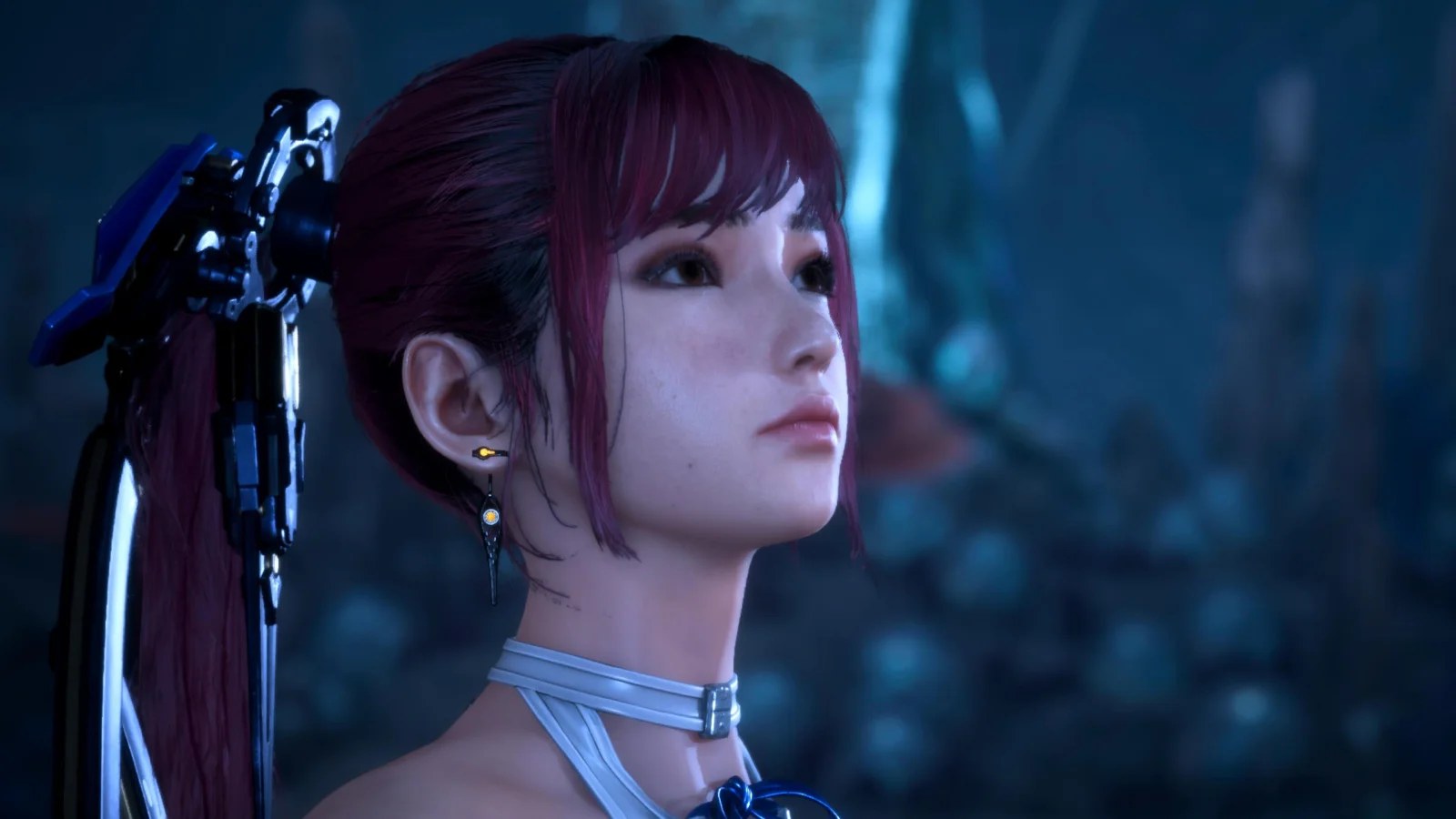
“There were times when I questioned whether it was truly right to make a game like this in Korea. However, we somehow managed to develop it to the end, and it was the users’ choices that proved the path we had chosen was not wrong.”
Hyung-Tae Kim, CEO of Shift UP
The sentiment reflects a common reality for studios taking creative risks in a competitive industry. The decision to proceed was ultimately driven by conviction rather than market assurance, a gamble that would pay off in ways few could have predicted at the time.
From Brink to Breakout
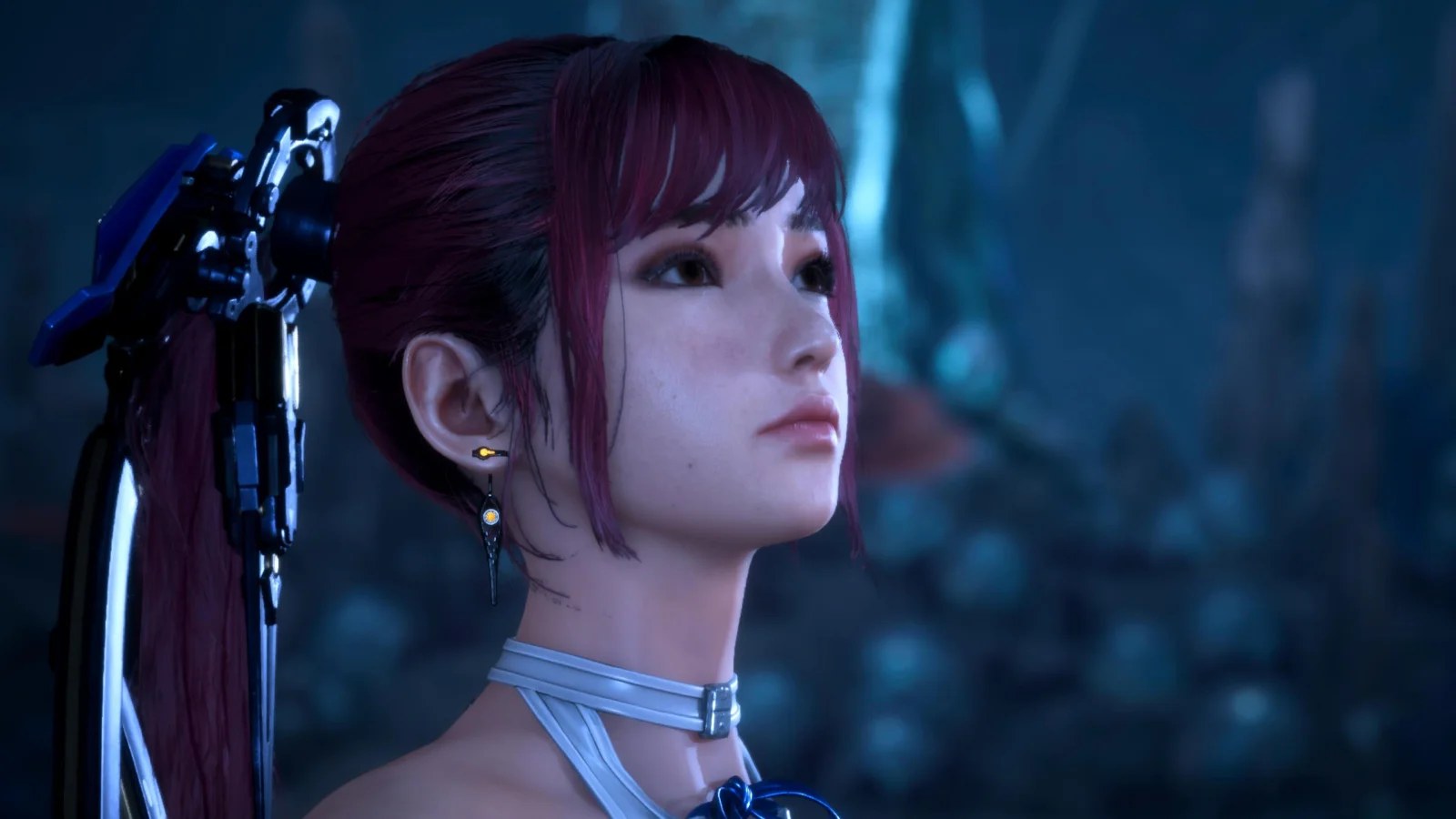
Kim’s gamble has since transformed into one of the most celebrated launches in recent gaming history. While exact console figures remain undisclosed, Stellar Blade sold millions of copies on PS5 upon release, cementing itself as a flagship title for Sony’s platform. The game’s momentum carried into PC, where it achieved a record-breaking launch, breaking one million sales within three days of availability.
The commercial performance has provided Shift UP with the stability and resources to look ahead. The studio is now developing Stellar Blade: Blood Rain, the long-awaited sequel, though no release date has been confirmed. This transition from near-collapse to sustained success illustrates the volatility inherent in game development, where a single well-executed title can redefine a studio’s trajectory.
A Regional Shift in the Industry
The Stellar Blade story resonates within a wider context of South Korea’s rising prominence in global game development. The country has become a fertile ground for ambitious studios willing to take creative and financial risks, with several achieving international recognition over the past few years.
Among the notable examples is Pearl Abyss, another Korean developer that has recently enjoyed significant commercial success with titles such as Crimson Desert, which sold exceptionally well upon release. These achievements collectively signal a maturing industry ecosystem, where studios are increasingly capable of producing and sustaining globally competitive triple-A experiences.
For Kim and his team, the journey from financial brink to commercial triumph stands as a testament to perseverance and creative conviction. As Shift UP moves forward with its sequel, the studio’s story offers an instructive reminder that even the most ambitious projects require the courage to pursue a vision against the odds.



No comments