

 •
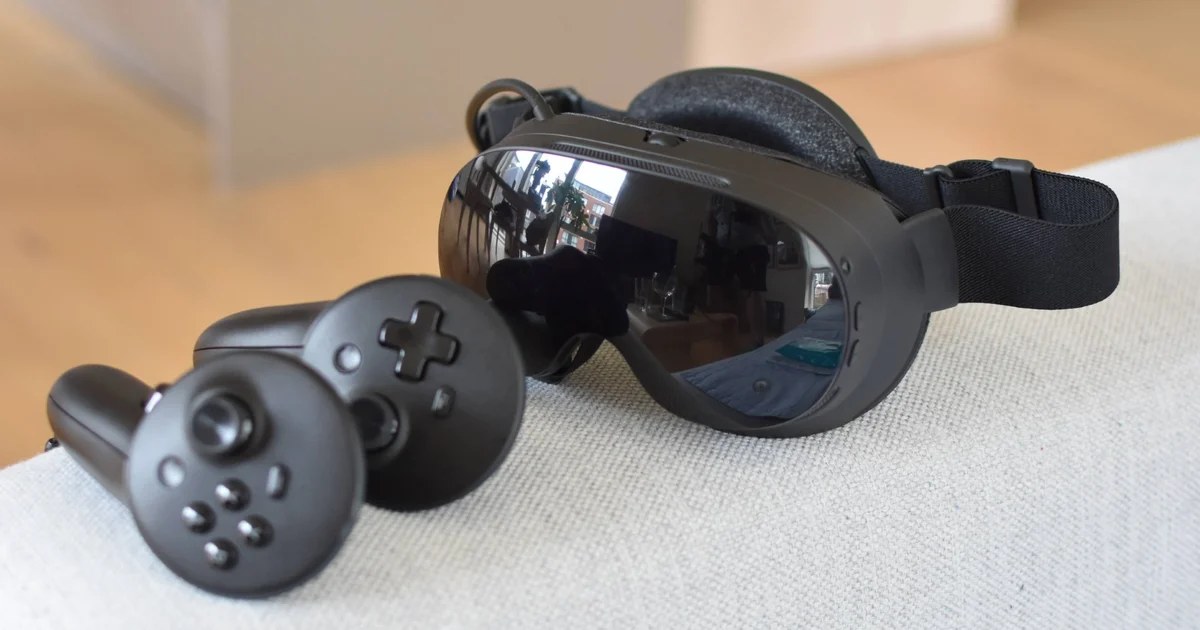
•Snippets of Valve’s recently released kernel source code contain references to a possible variant of the company’s new VR headset featuring upgraded OLED lenses, according to a report by SteamFrameHub.
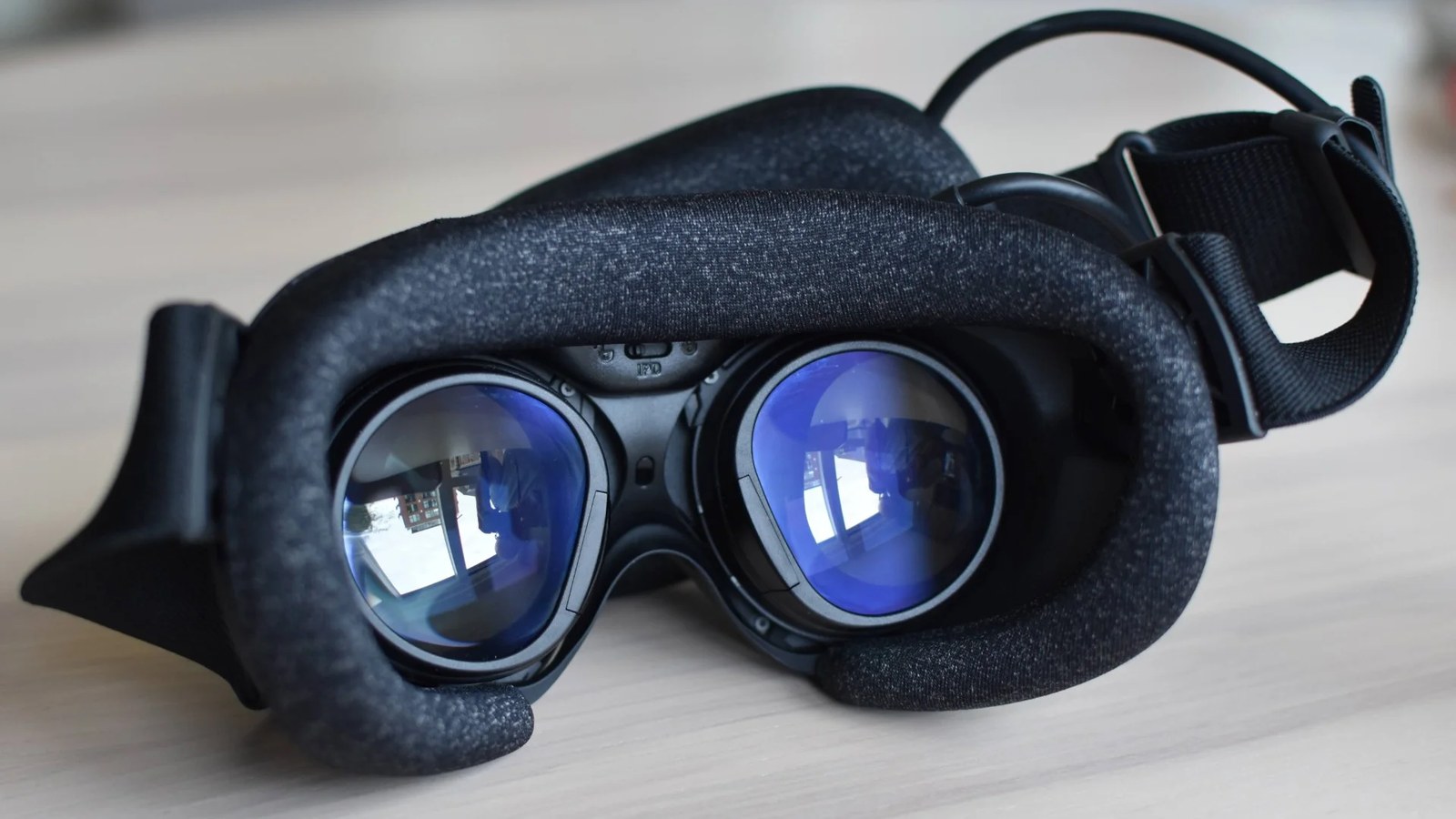
The leaked details suggest an OLED lens with a native resolution of 3,552×3,840 and a maximum refresh rate of 90Hz — specifications described as “suspiciously identical” to the MicroOLED lenses used in Samsung’s Galaxy VR headset. One related code branch, which codenames the device ‘Planar,’ was updated on October 2nd, weeks after the LCD-lensed Frame opened for reservations.

The OLED lenses would place greater demands on the Snapdragon system-on-chip during standalone VR play than the current Frame’s 2,160×2,160 displays. The code also hints that Valve may address this with a variant of its foveated rendering and streaming technology — dubbed “foveated scaling” — which applies higher pixel density where the wearer looks and lower density elsewhere.
The idea likely made sense at some point: the Steam Deck OLED was widely praised as a strong upgrade over the original handheld, and an equivalent Frame variant could replace its predecessor’s “okay-not-amazing” lenses with sharper, more vibrant ones. Foveated scaling might also improve standalone performance on both versions if Valve’s engineers can deliver it.
However, Planar appears to address only a minor imperfection of the current Frame in ways that would either fail to help its larger problems or actively worsen them.
The most pressing concerns are pricing and availability. The headset has cost hundreds more than originally expected while Valve struggles to build enough units to meet demand, and Frame discourse has been dominated not by image quality but by what one writer called its “unintended unobtanium status.”
An OLED version would not increase the overall supply of Valve VR headsets, as it would compete with the LCD Frame for the same costly RAM and SSD components. It would also likely cost even more: the Galaxy VR launched at £1,699 — £610 above the priciest Frame — having benefited from launching before hardware prices rose sharply.
The writer said that in “happier times” they might be interested in an OLEDified Frame, noting potential gains in display quality and possibly battery life due to OLED’s lower power usage. But as things stand, a device that would push prices higher while diverting resources from a headset whose reservation waiting period is already several months long sounds like the last thing customers — and Valve — need.























Partecipa alla conversazione