
For years, Star Wars remained for me little more than a fun trilogy of blockbusters set in an impressively large universe that I never fully understood. Despite growing up as both a cinephile and a sci-fi nerd, I somehow never caught the Star Wars bug.
I got swept up in the cultural moment of The Phantom Menace like any other kid at the time, but I had no desire to see Attack of the Clones three years later. That has changed in a big way in 2026, and it’s all thanks to video games.
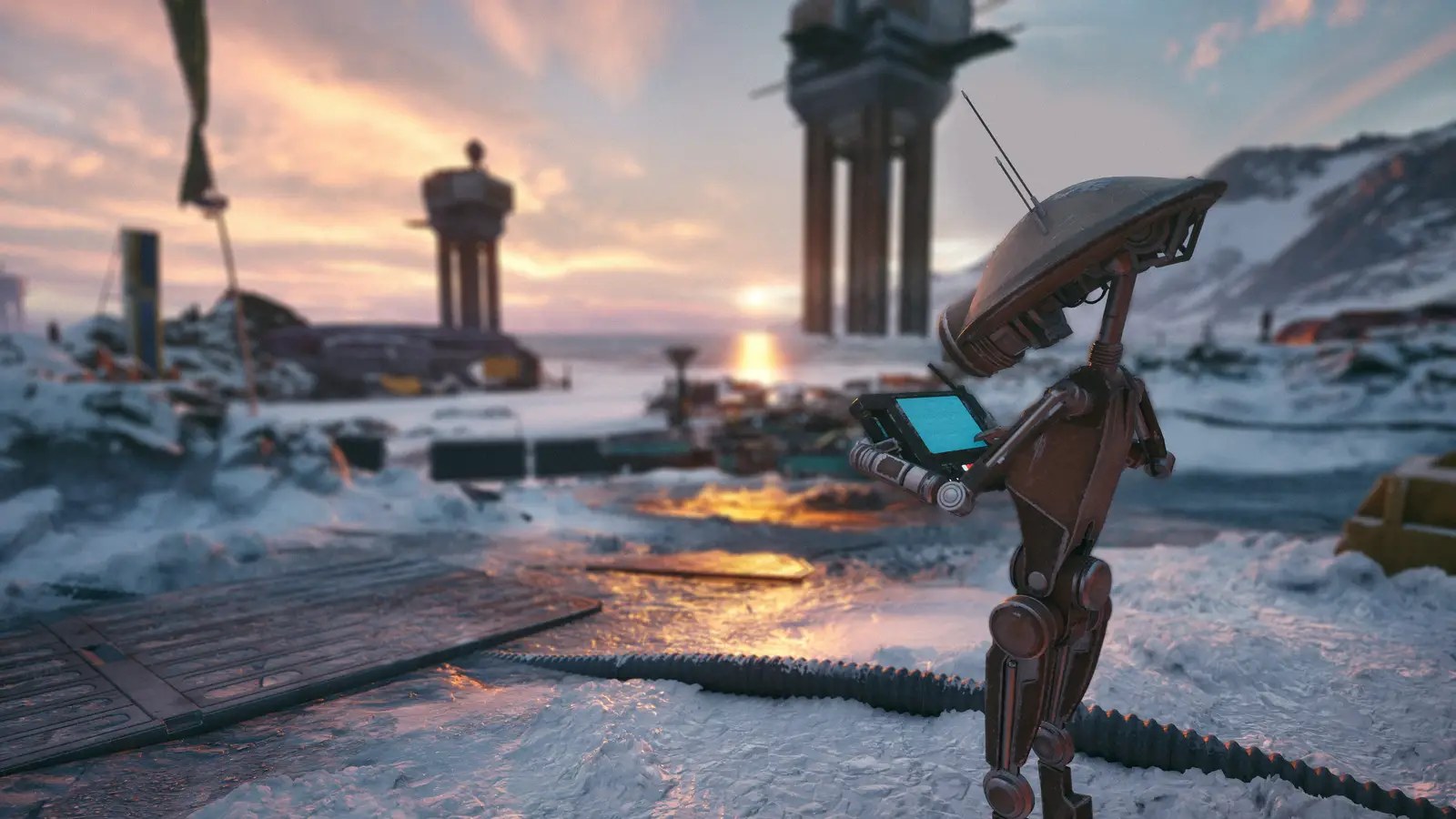
At the moment, both Zero Company and Galactic Racer are sitting high on my 2026 Game of the Year shortlist. That’s thanks in part to ironclad gameplay systems, but also because, for the first time in a good long while, they have truly shown me the wider potential of the Star Wars universe. For outsiders who have long looked for a way in, there has never been a better time to get into Star Wars.

Reflecting on my history with the series, I believe my previous disinterest came from seeing it as little more than a superhero story — your basic tale of good vs. evil, where the all-powerful do-gooder Jedi take down the big bad with their cool laser swords. Perfectly fun popcorn fare, but I struggled to find much to latch onto beyond lore that took precedence over thematic depth.
Granted, there were plenty of moments where the series briefly pulled me into its orbit. Rogue One captivated me as a legitimately tense war flick, and dogfighting games like Star Wars: Squadrons at least taught me that I’m a sucker for cool planes. But it’s the one-two punch of Zero Company and Galactic Racer — two games that play with the source material in remarkable ways — that has finally kept me around.
For Zero Company, the appeal is how much it brings the series down to Earth, not unlike Andor. It tells a working-class story about a crew of misfits trying to make ends meet in a rough economy. Yes, the Jedi make an appearance and there are some pretty major tie-ins to wider Star Wars lore, but it’s relatable in a way that the series rarely has been for me.
Funny enough, that premise ended up being a perfect setup for Galactic Racer. Fuse Games’ arcade racer is similarly focused on the commoners of the Star Wars universe, but even further removed from the grand conflicts fought between superpowered beings. It’s simply a story about people trying to find purpose once a war ends. With the Empire defeated, bored veterans have taken to the racing circuit in a narrative framework inspired by real World War II history.
Both Zero Company and Galactic Racer do an excellent job of zooming into a small part of a universe we so often see from a bird’s eye perspective — something that finally gives newcomers something human to latch onto. Every time I stopped to chat with Hawks’ crewmates and listen to their relatable struggles with pest control, I walked away with a better sense of what day-to-day life is like in a galaxy far, far away.
Similarly, Galactic Racer’s personal story about Shade, a racer simply determined to outspeed their rival, left me appreciating the mundane details happening in the cracks while the Jedi are at play. Small details like this are key to making a fictional universe feel lively.
A blockbuster movie is always going to revolve around the biggest conflict possible, but Star Wars’ transmedia appeal gives the series plenty of room to build out a believable world outside of the silver screen. Game developers are starting to crack that more consistently, and it’s finally helping me understand why the Star Wars universe, with all its eccentric weirdos, is so appealing.























1 comment