Sony Introduces QSSR, Bringing AI Upscaling to Base PS5
Sony has unveiled a new upscaling technology called Quick Spectral Super Resolution (QSSR), extending the benefits of AI-powered image enhancement beyond...
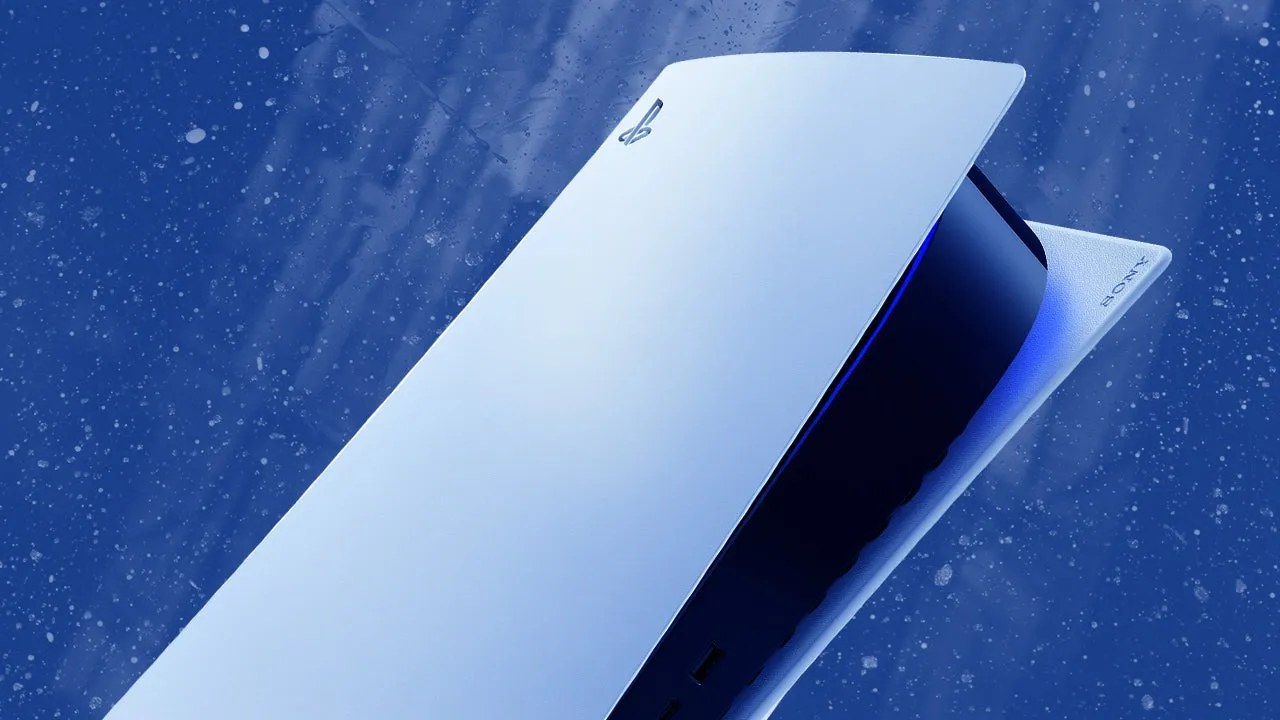
Sony has unveiled a new upscaling technology called Quick Spectral Super Resolution (QSSR), extending the benefits of AI-powered image enhancement beyond the PS5 Pro and onto the standard base PlayStation 5 console. Announced through an official blog post, QSSR was developed as part of Sony’s Project Amethyst collaboration with AMD that began last year, following in the footsteps of PSSR which debuted earlier this year exclusively on the more powerful PS5 Pro.
The base PS5 has long been excluded from AI upscaling due to its comparatively weaker GPU capabilities. QSSR addresses this gap by offering a significantly lighter model than PSSR, making it viable for running on standard hardware while still delivering improved visual fidelity over the temporal upscaling traditionally used on the console.
A Lighter Approach to AI Upscaling
While QSSR will not match the detail retention of PSSR on the PS5 Pro, Sony describes it as considerably more accurate than the standard temporal upscaling methods currently in use. The technology debuts in two upcoming titles: Marvel’s Wolverine and Ghost of Yōtei, with both developers expressing enthusiasm about integrating the feature into their respective games.
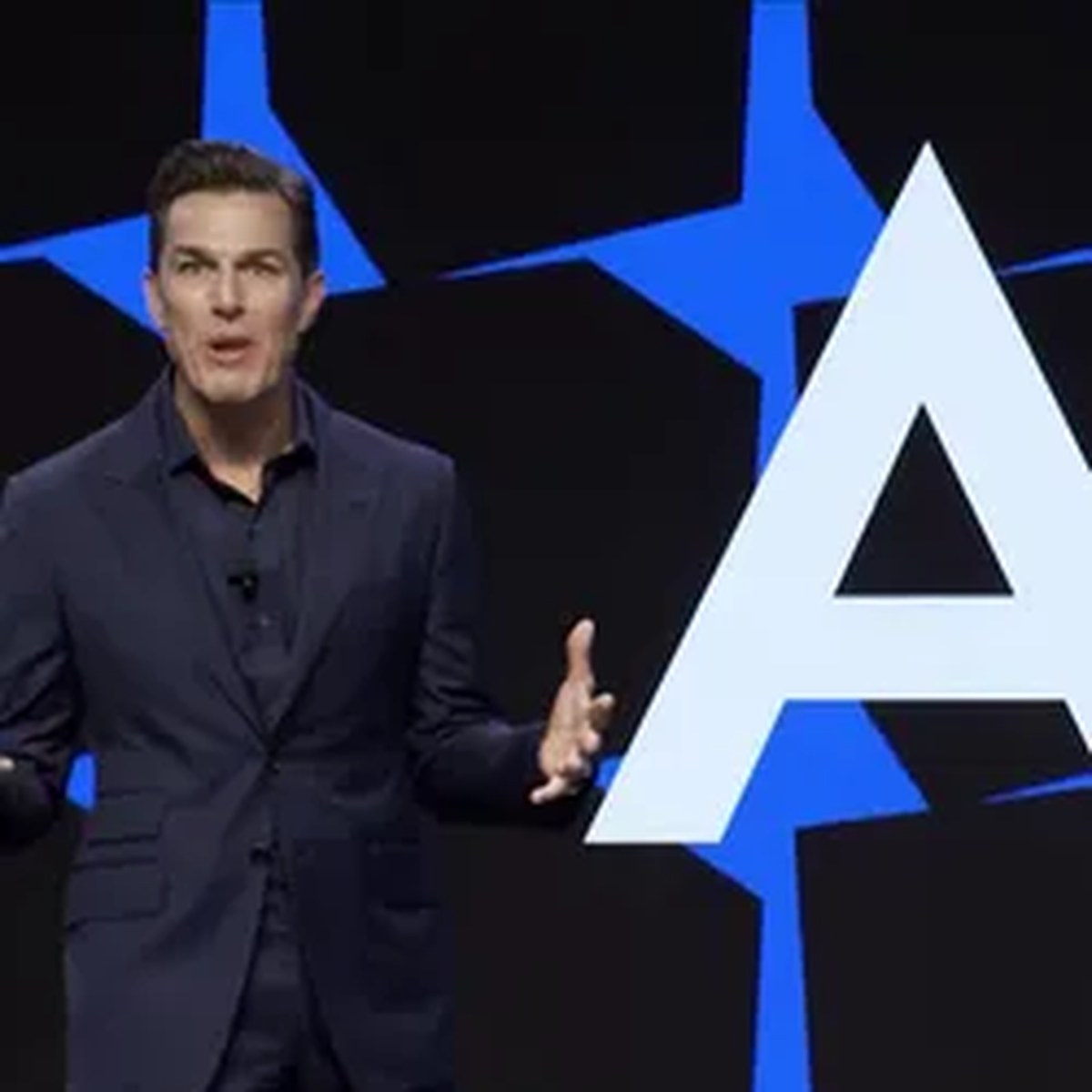
“QSSR adds more pixel-level clarity and stability to our environments, bringing out extra detail amidst the busy streets of Madripoor, the dense alleyways of Shinjuku, and many other areas across Logan’s epic journey. It’s a perfect companion to the launch of Marvel’s Wolverine, and it brings a great taste of the PS5 Pro experience to our players on PS5.”
Mike Fitzgerald, Head of Technology at Insomniac Games
Jasmin Patry, Lead Rendering Engineer at Sucker Punch, echoed these sentiments regarding Ghost of Yōtei. “At Sucker Punch, we’re excited to bring QSSR to Ghost of Yōtei players so that they can experience the world we’ve created with even more clarity and detail. QSSR excels at resolving the fine details in our characters and environments and does so with a level of temporal stability that hasn’t been possible on the PS5 console until now. We’ve long wished that all PS5 players could experience the incredible image quality that PSSR brings to PS5 Pro, and QSSR is a positive step towards that goal!”
Seeing QSSR in Action
Sony’s blog post included demonstration clips comparing QSSR against standard temporal upscaling. In Marvel’s Wolverine, footage zooming in on distant buildings shows the QSSR sample maintaining considerably more detail in fine objects despite remaining somewhat blurry—a natural consequence of running a watered-down model. Similarly, Ghost of Yōtei footage focusing on foreground foliage demonstrates how QSSR preserves the actual shape of grass that would otherwise appear as floating green lines with visible aliasing under standard upscaling.
The visual improvements are promising, though not without trade-offs. Even with QSSR enabled, some noise remains apparent in the demonstration clips, and the overall quality cannot match what PSSR delivers on the more powerful PS5 Pro hardware.
Bridging the Gap for More Players
The primary significance of QSSR lies in its accessibility. With the PS5 Pro now retailing at $900, this lighter model brings AI upscaling capabilities to a much broader audience. Sony has confirmed it is making QSSR available to all developers, suggesting that more studios will likely adopt the technology going forward.
The patch delivering QSSR support for both Marvel’s Wolverine and Ghost of Yōtei goes live later today, allowing players to experience the feature firsthand. While only a couple of demonstration clips have been shown so far, leaving questions about real-world performance, QSSR could prove valuable for anyone unable or unwilling to invest in premium hardware. The technology may help bridge the gap for consumers waiting on what is expected to be an expensive PlayStation 6 release.
Copyright in the content and news published on this platform is not reserved, and the material may be shared with attribution. Much of the news is compiled from publicly available domestic and international press sources. Responsibility for the accuracy of claims, data, and material attributed to those sources rests with the source organizations; the platform does not assume responsibility for them. Third-party images, logos, and openly licensed materials remain subject to their original source and license terms.
To submit original news, articles, press releases, or content notices for publication, please contact us:

























Join the conversation