

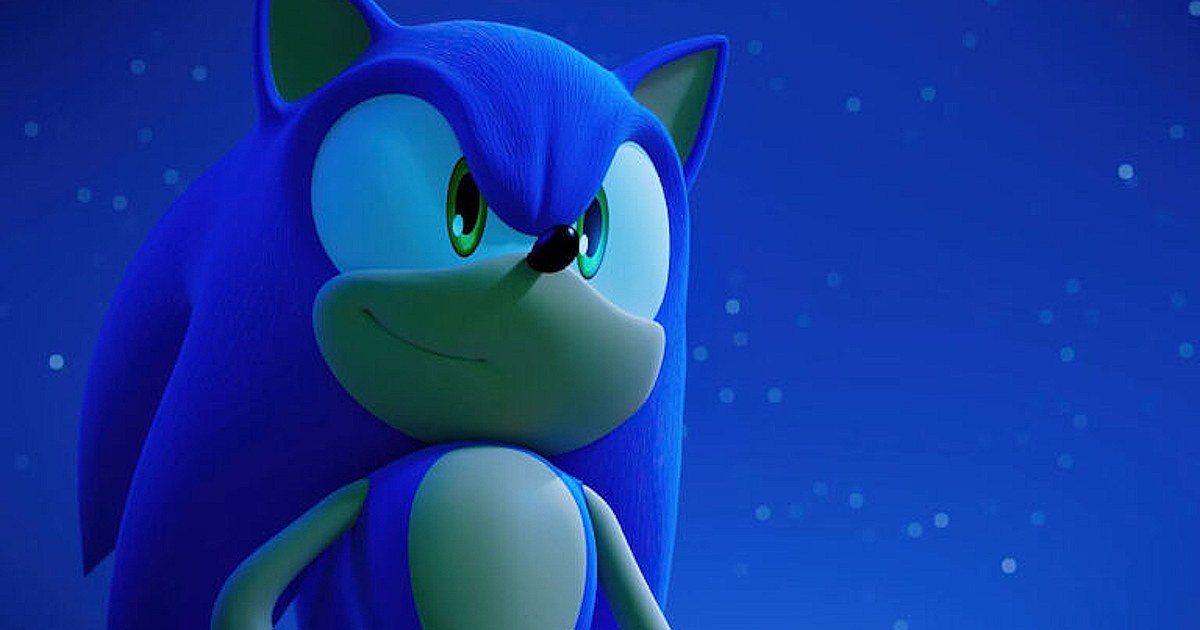
Takashi Iizuka, general producer of Sega’s Sonic the Hedgehog franchise, has publicly distanced himself from the industry-wide remake boom, arguing that revisiting older titles offers little beyond nostalgia and costs as much as building something entirely new. In a recent interview with Automaton, Iizuka made clear that fans hoping for a fresh take on classic Sonic games should temper their expectations, insisting that “you’re essentially providing the same experience again” when a remake or remaster is produced.
The comments arrive at a moment when digital storefronts appear saturated with reissued titles. Steam’s front page alone seems to cycle through one ported or rebuilt game after another, and the practice has become such a reliable revenue driver that it frequently leans on players’ longing for earlier eras rather than any genuine innovation. Iizuka, however, is not buying into that formula—and he wants Sonic Team to avoid following it.
A Producer With Reservations
The interview covered a wide range of topics beyond remakes, including the expanding Sonic multimedia empire and Sega’s experience launching Sonic Racing: Crossworlds as its first live-service title. But it was Iizuka’s stance on reissues that drew the sharpest focus, particularly because Sonic Team has largely kept its distance from the trend itself.
The closest the studio has come to touching that territory is Sonic x Shadow Generations, which bundled a brand-new, Shadow-centred adventure alongside a port of the 2011 original Sonic Generations. That hybrid approach still counts as something of an exception rather than a pattern for Iizuka’s team.
“We hear all sorts of requests from the fan community for remakes and remasters, such as people asking us to port Sonic Unleashed. … With remakes and remasters, you’re essentially providing the same experience again.”
Takashi Iizuka, General Producer of the Sonic series
The Cost Argument Behind the Decision
Iizuka’s reluctance is not purely a matter of creative philosophy; it is also grounded in practical economics. Contrary to common assumption, he argues that modernizing an older game can demand roughly as many resources as developing a brand-new title, since simply reskinning visuals no longer satisfies contemporary standards.

“These days, remaking an old game requires about as many resources as creating a new title. You have to remake all the graphics, and you can’t simply release the gameplay as it was back then because many things are deemed rough by modern standards.”
Takashi Iizuka, General Producer of the Sonic series
The point cuts against a widely held belief that reissues are cheap profit. If rebuilding graphics and updating dated mechanics costs nearly as much as an original project, then chasing nostalgia becomes far less financially attractive than it appears from the outside.
A Glimmer of Hope for Older Titles
That statement carries particular weight given how many classic Sonic games remain locked to their original hardware, some of them confined to consoles like the GameCube that few players still own. The implication is clear: rather than remaking these titles from scratch, Sega may eventually see value in simply porting them so they can reach modern systems and audiences.
For fans who have long dreamed of revisiting entries such as Shadow the Hedgehog or Sonic Adventure 2 on contemporary hardware, that distinction matters enormously. A faithful PC port could let those games run properly again without the risk of a rework altering what made them beloved in the first place—something many players would gladly accept over another heavily revised sequel.
Looking Ahead
Whether Iizuka’s views translate into concrete plans remains uncertain, and his skepticism about remakes may not be shared across an industry that has leaned heavily on reissues for profit. Still, the studio’s current trajectory suggests it will continue prioritizing original experiences over nostalgic retreads.
For now, players hoping to play older Sonic games again would do well to keep an eye out for straightforward ports rather than full remakes. If Sega honors Iizuka’s promise to eventually free those titles from their original consoles, longtime fans may soon find that the blue hedgehog can be experienced anew—without having to relive the past.























1 comment