

Under the current draft of the European Commission’s proposed EU Kids Act, single-player video games distributed through online platforms such as Steam could be caught by mandatory age verification requirements for all users. The proposal, unveiled earlier this week by European Commission President Ursula von der Leyen, introduces a tiered system governing what services children under 15 may access and how they create accounts across social media, AI chatbots, and online video games.
The documents outlining the proposal have been officially released, revealing that the Commission’s definition of an “online game” is broad enough to sweep in titles that rely on digital storefronts for distribution, updates, or even a one-time authentication check. Industry observers warn this could inadvertently affect offline experiences unless the wording is tightened before the legislation is finalized.
A Definition Broad Enough to Catch Offline Titles
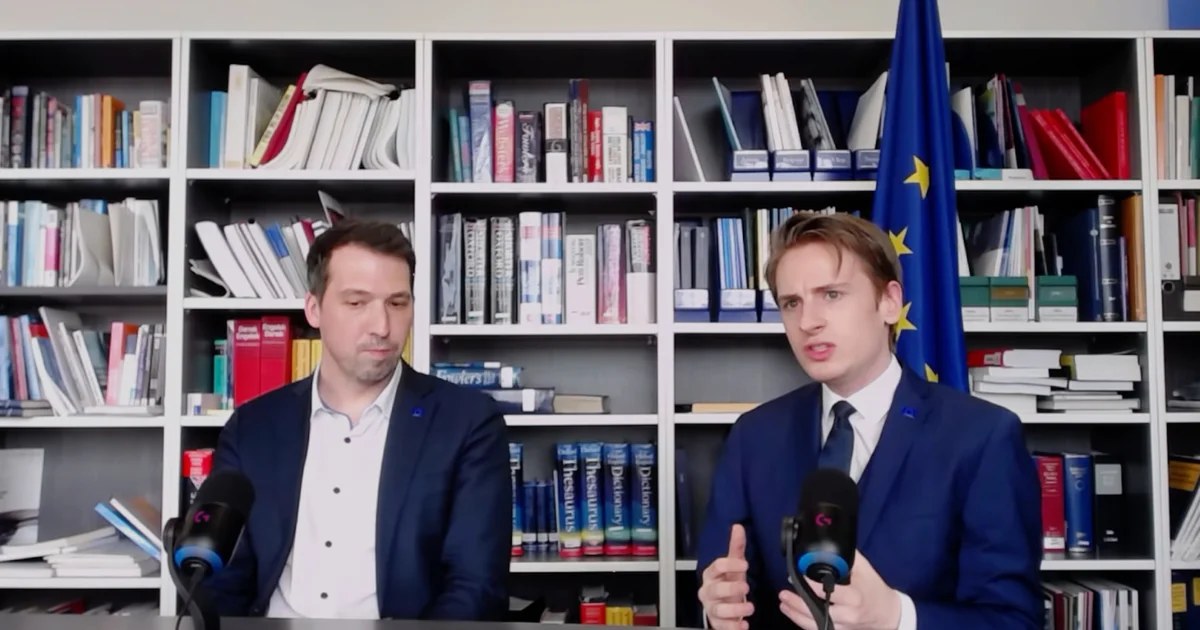
The core concern centers on how the draft defines which games fall under regulation. According to Paul Diegel, senior policy adviser for the European Pirate Party and assistant to Member of the European Parliament Markéta Gregorová, the current text would even capture single-player games simply because they connect to Steam for updates.
The relevant section of the proposal reads as follows:
“Video games have become an important part of the digital environment in which minors participate and interact with others, in a playful, goal-oriented or entertaining manner. Certain video gaming platforms allow the dissemination and exchange of user-generated content to an indeterminate number of recipients of the service and the facilitation of contact between these recipients. Such online games fall within the definition of online platforms referred to in Regulation (EU) 2022/2065 and should be covered by the scope of this Regulation.”
European Commission draft EU Kids Act
The text continues, stating that some online games which do not allow dissemination of information to an indeterminate number of recipients “should also fall within the scope of this Regulation.” This covers any game playable on a computer, mobile device, or games console, irrespective of whether the underlying software runs locally or remotely. The sole exception applies to titles accessible exclusively through physical media without any online component.

The Practical Implications for Gamers
If read literally, even an online element used solely to distribute a game and ship subsequent updates would place it under the regulation’s purview as currently written. This means offline single-player experiences purchased digitally could require age verification before minors can access them.
“The current draft of the legislation would even see single player games affected because they’re connected to Steam for updates.”
Paul Diegel, European Pirate Party senior policy adviser
The proposal documents remain publicly available through the European Commission’s site, allowing journalists and industry figures to scrutinize the exact wording that will shape future regulation.
Looking Ahead
It remains important to note that the EU Kids Act is still only a proposal at this stage. As part of the EU’s lawmaking process, definitions such as this one are likely to be refined and tightened during revision and scrutiny. This means any eventual legislation could adopt narrower language targeting specific types of online games that mirror social media platforms.
For now, developers and players alike watch closely as the debate over how broadly these regulations should extend continues to unfold across the European digital landscape.























Join the conversation