

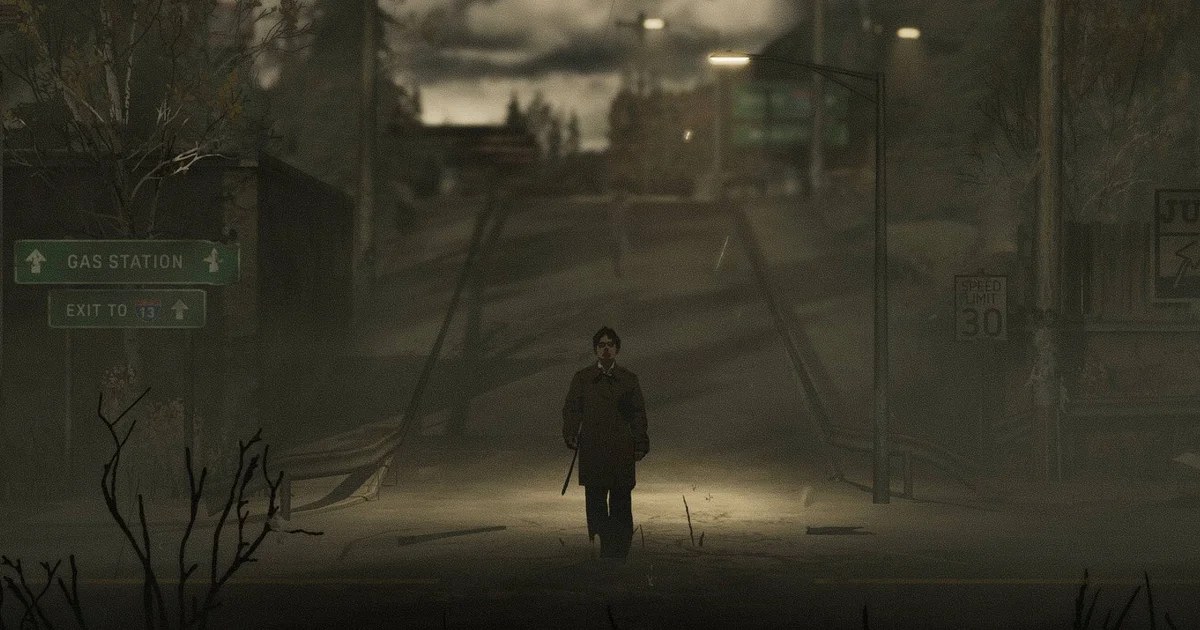
Wych Elm’s debut title, Silver Pines, is now available on PC and consoles, arriving this autumn as a Twin Peaks-inspired neo-noir detective mystery that quickly repaints itself in survival horror red. Players step into the shoes of an unremarkable private investigator dispatched to a dilapidated rural town to track down a missing musician just as a generationally fierce storm bears down on the region. What distinguishes the game is its willingness to fuse that atmospheric whodunit with 2D Metroidvania exploration and point-and-click puzzle design, creating what early impressions describe as an endearingly unusual but uneven experiment.
The result is a coherently moody angular mishmash held together by its expressive visual style and intriguing missing-person tale. The town itself impresses before any threat appears, with half-broken neon signs dimly advertising dusty ruined establishments along silent roads lined with broken fences and piles of abandoned scrap. On the surface the map suggests a relatively flat, standard interlinked network of paths, but those routes are complicated by explorable interiors within abandoned shops and diners—some of which refuse to deposit players where they entered—and a local motel housing an exhibition of porcelain bears.
A Rotoscoped World Built for Unease
The detective you control moves with rotoscoped animation that imparts an uncanny, deliberately uncomfortable flavour to the world. That heaviness extends into combat, where slow boxcutter swings and ammo-deprived shooting read as desperate rather than merely frustrating, ensuring the town’s population of sobbing shamblers still carries a genuine sense of threat. Reviewers recommend staying on the default “Survival Horror” difficulty, which manages resources with smart restraint. The game is not especially scary, but its opening hours stretch supplies of health and bullets to nervy effect while slipping in just enough herbs or duct tape to make exploring another creepy businessplace feel worth the risk.

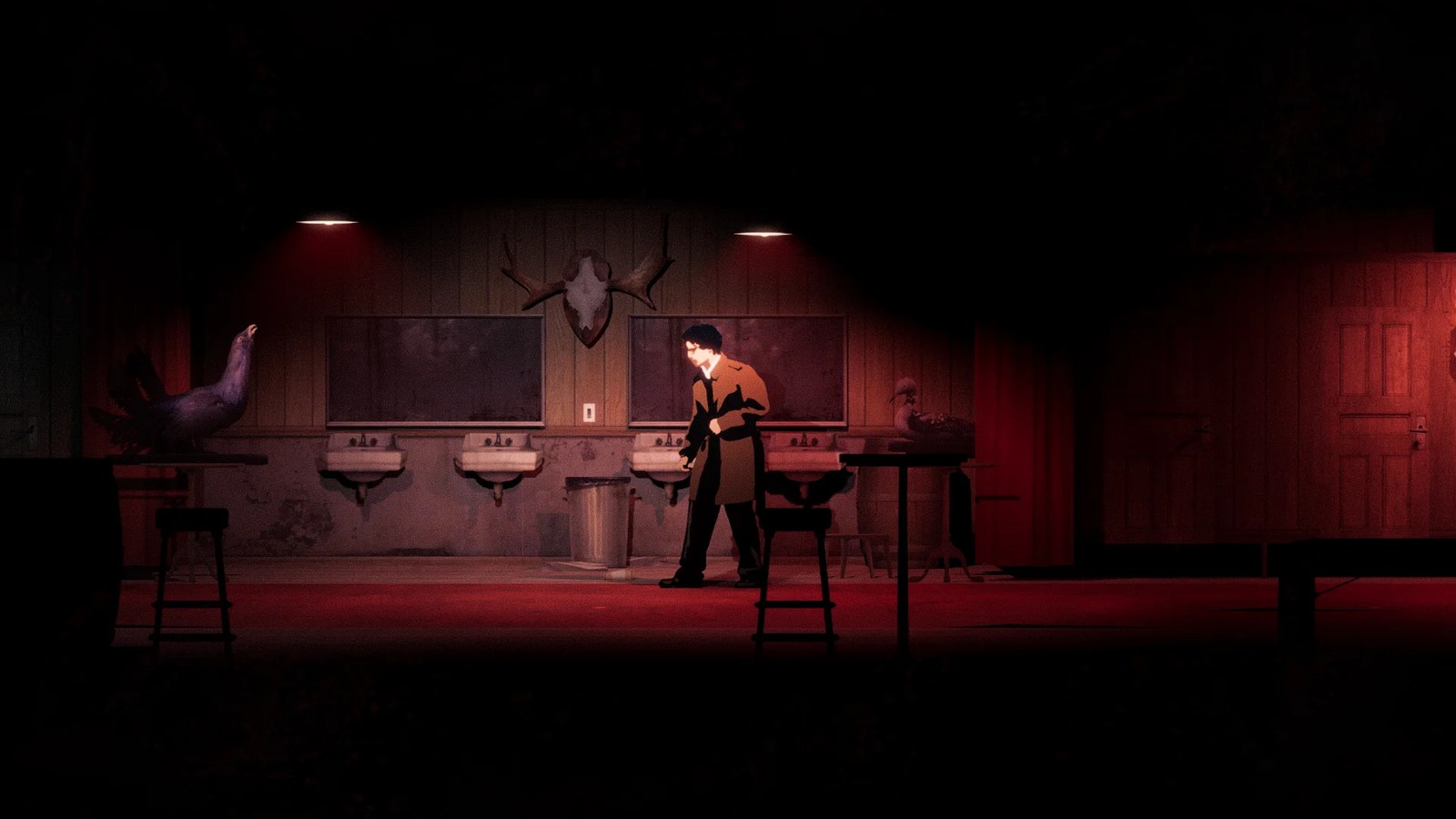
The mystery storytelling proves frequently compelling as well, particularly when it tones down the paranormal into a more subtly unsettling strangeness. Players can catch glimpses of Terminal Drive, a pulpy science-fiction show-within-a-game akin to Alan Wake’s Night Springs, playing on the town’s few remaining powered televisions. Between that narrative thread and the hope of finding healing drinks in the next building’s cupboards, there seems to always be some impetus compelling players onward through danger and darkness.
The Backtrack Problem
Yet it is not fear that halts many investigations but frustration. Some key-finding and puzzle-solving was inevitable in a title so inspired by 1990s survival horror, and for the first hour or so this proceeds finely, with solutions following diegetic logic and measured pacing preventing an overwhelming to-do list of safes to crack. But once the town opens up, subsequent sections devolve into vast, backtrack-heavy mazes of dead ends and tedious item hunts—exploration giving way to a miserable stretch of looped wandering.
We are looking at reworking that scene.
Wych Elm on the game’s swimming sequence
Some of this obtuseness was, it turned out, unintentional. After developers were approached for directions, one area revealed a river that needed to be swum across—a river whose opposite bank was not even fully visible from the starting shore and located after earlier watery sections where attempting to swim only left players coughing their lungs up on solid ground. Wych Elm said they are looking at reworking the scene, responding with a politeness that has prompted some second thoughts about harsher online criticism.
The broader problem is structural: the best Metroidvanias do not hide open paths under heaps of blocked ones. They leave inaccessible routes as mouthwatering teasers for future adventures, repeatedly but sparingly left hanging so players will want to return with new abilities—here, new baseball bats and firearms. Instead, this extended section feels like visiting a theme park where all the rides are closed, compounded by puzzles that trip over one another, such as two side-conundrums both built around locating colourful bird models while sharing no interactable parts.
Looking Ahead
Players have not ruled out returning to Silver Pines once enough guides and confused forum threads exist to navigate further moments of stuckness. It remains a cleverly crafted hybrid in many ways, with lingering questions about where the absent guitarist went and why the town is trying to murder the player still unanswered. But it also arrives during one of the most bounteous autumns for quality games in years, leaving some players wondering whether they might chase those answers elsewhere—where such moments of acute frustration simply do not occur.























Join the conversation