

Silent Hill: Townfall, the first entry in Konami’s psychological horror franchise to adopt a first-person perspective, has drawn mixed reactions from critics as it lands on PlayStation and Windows PC. Developed by Screen Burn Interactive and written and directed by Jon McKellan, the game arrives September 24, and Polygon’s review captures a series that remains genuinely frightening at its peak but struggles to sustain its dread. Set in a Scottish fishing village blanketed in fog, Townfall leans into the franchise’s signature themes of unforgivable crimes and layered symbolism, yet critics argue it sacrifices the enigmatic atmosphere that has defined Silent Hill for years in favor of metaphors spelled out too plainly.
The Silent Hill series has long distinguished itself from its peers through heavy thematic weight and persistent symbolism, with nearly every monster carrying a double meaning. Townfall attempts to honor this tradition: its setting is so evocative that you can practically smell the sea salt, its creatures function as metaphors for deeper meaning, and the omnipresent fog rolls in off the ocean to conceal horrible deeds. Yet the review notes that the game falters on presentation. At its best, the series uses surreal imagery to guide players through self-constructed underworlds of rusted metal and squelching flesh, where the fog hides the full picture and the story unravels like a compelling mystery. In Townfall, however, piecing together macabre events feels less like the work of an occult detective driven by dark curiosity and more like that of a passive participant reading what is plainly spelled out.
A First-Person Descent Into St. Amelia
The narrative opens with protagonist Simon Ordell climbing out of St. Amelia’s harbor, dazed and connected to an IV filled with strange black fluid. He wanders into the town square, where he discovers a recently constructed memorial to an undefined tragedy and a protest sign reading “A CRIME ON OUR COMMUNITY,” before a voice reaches out to him through a handheld CRT device and sets him on a quest to find a man named Richard who promises answers. From there, Townfall follows a familiar structure to the rest of the series: players explore small but somewhat open-ended areas of the town, gathering keys, passcodes, and tools to journey deeper.
The most significant departure from its predecessors is the first-person viewpoint. Developer Screen Burn Interactive takes full advantage of this perspective, placing the player in the space with uncomfortable intimacy and forcing them to witness St. Amelia’s horrors up close. The town carries a great deal of personality, from colorful architecture to loose flyers that establish a specific time and place. The sound design is so eerie and crisp that it is easy to get scared of your own footsteps, while Pilotpriest’s unsettling score creates a persistent dread.
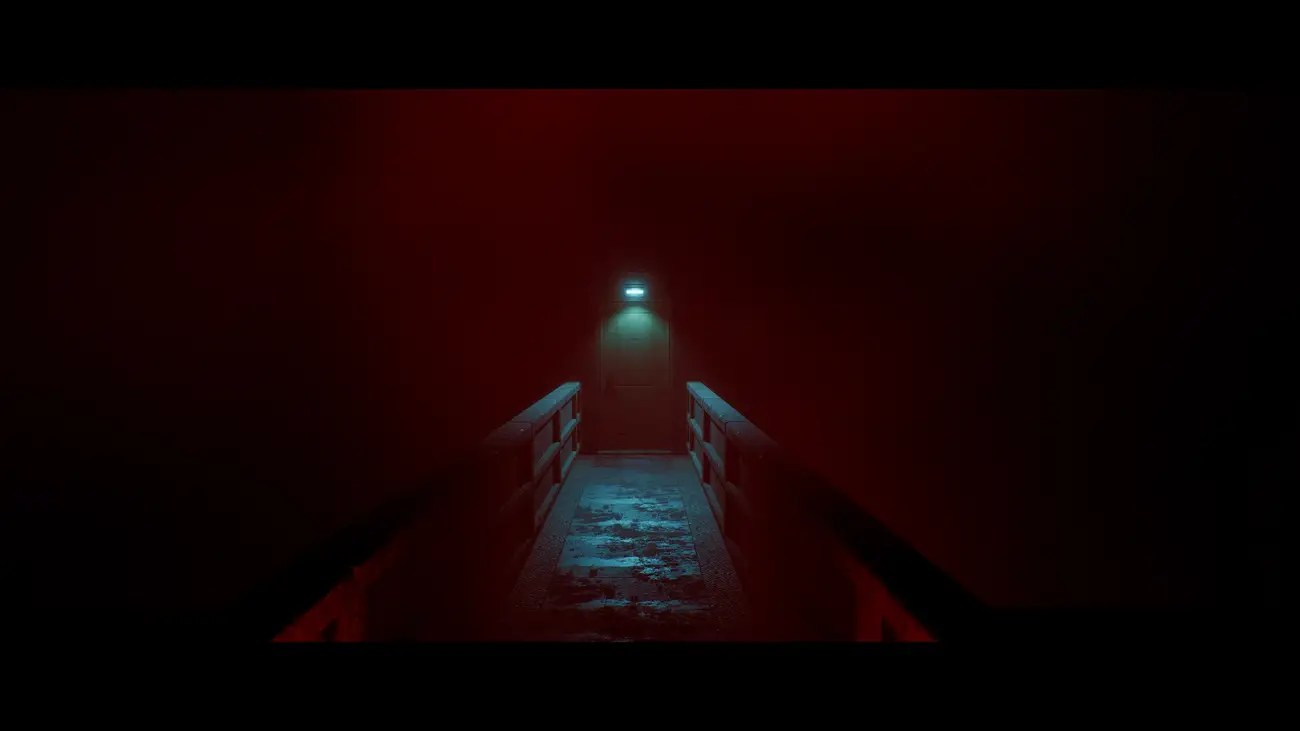
This is a solid horror game that, at its best, creates genuine tension through its grounded perspective and well-realized setting.
Polygon
When the Fog Lifts, So Does the Fear
Because Simon is frail and easily spotted by unsightly creatures, stealth becomes a necessity for most of the game. Players can find glass bottles to distract enemies, wooden planks to fight back, and a bullet every now and again, though these resources dry up quickly. Early encounters with prowling monsters feel tense and dynamic, as players peek around corners and use Simon’s handheld CRT to spot their spasming forms through walls. At one point, after being spotted, the reviewer found themselves in a vacant home, barely locating a closet to hide in before a creature burst through the door and searched the place room by room.
That magic, however, does not last. As players are forced to memorize creature movement patterns, the situations that once felt scary begin to feel workmanlike, and eventually flat-out dull. Even worse, certain levels introduce a Nemesis-like foe that does not follow set patterns, resulting in frustration as the unkillable monster repeatedly ends the player in a single hit. The review concludes that while horror games tend to evoke strong emotions, Townfall left the reviewer annoyed rather than terrified.
Looking Ahead
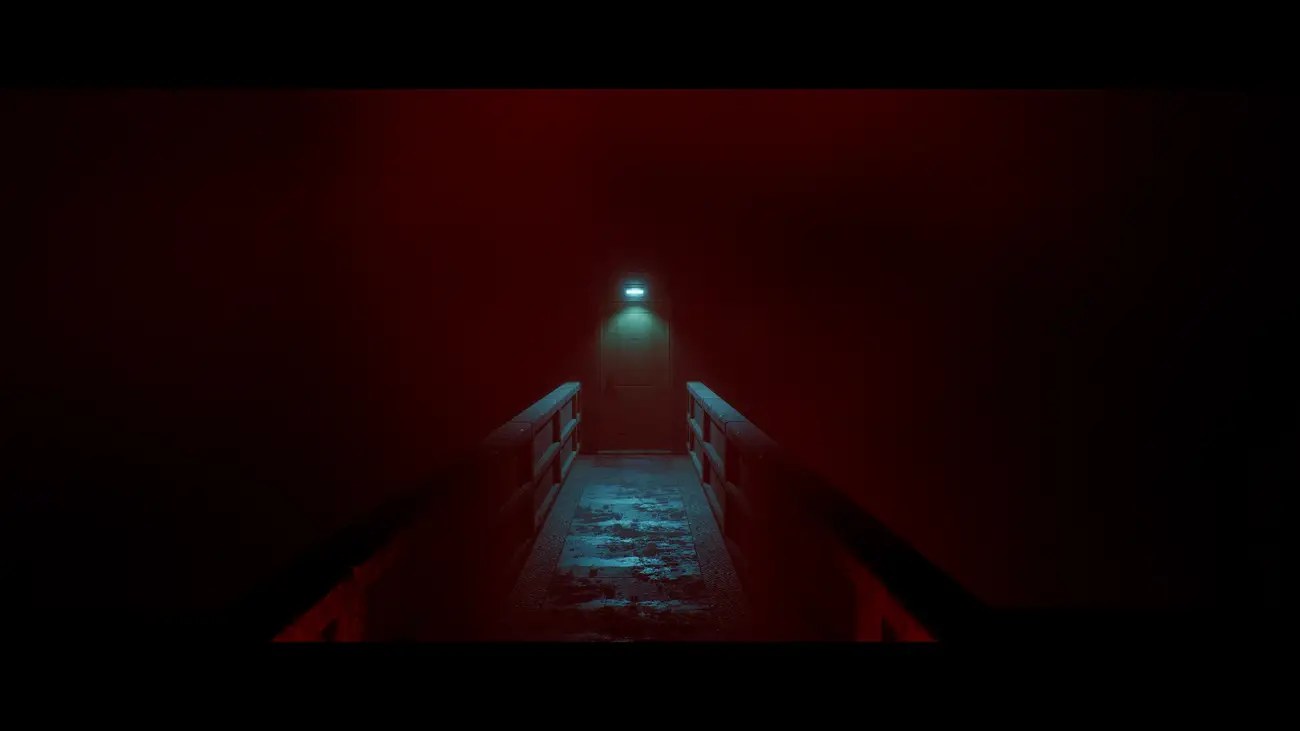
Beyond its gameplay, Townfall’s atmosphere and storytelling fare better than its mechanics. The narrative tackles worthwhile topics, delving into corporate evils and undercurrents of British imperialism as a parasitic company town replaces local flavor. The scenic skyline warps as metal pipes stretch into the distance under a blood-red sky, with echoes of the COVID-19 pandemic woven into overworked nurses and callous establishment responses to mass suffering. The suffocating din reaches its peak when Simon is suddenly whisked into St. Amelia’s equivalent of the Otherworld, all concrete slabs and cold steel.
Ultimately, the game is smarter and more original than some of the mediocre Silent Hill titles that followed Team Silent’s dissolution, but it can also be too rational, bordering on academic. The overarching themes are spelled out plainly and unsubtly, and compared to recent entries like Silent Hill f, which conveyed its message through clever little cuts and flower-themed symbolism, Townfall leaves little for players to decipher. There are a few satisfying story reveals, though the one ending the reviewer reached had enough finality that they were not tempted to seek out the other four.
Silent Hill: Townfall is out on September 24 for PlayStation and Windows PC. The game was reviewed on PlayStation 5 using a prerelease download code provided by Konami.



1 comment
[…] Article: Silent Hill: Townfall Delivers Genuine Terror Before Its Tension Fades → Kaynak: Polygon […]