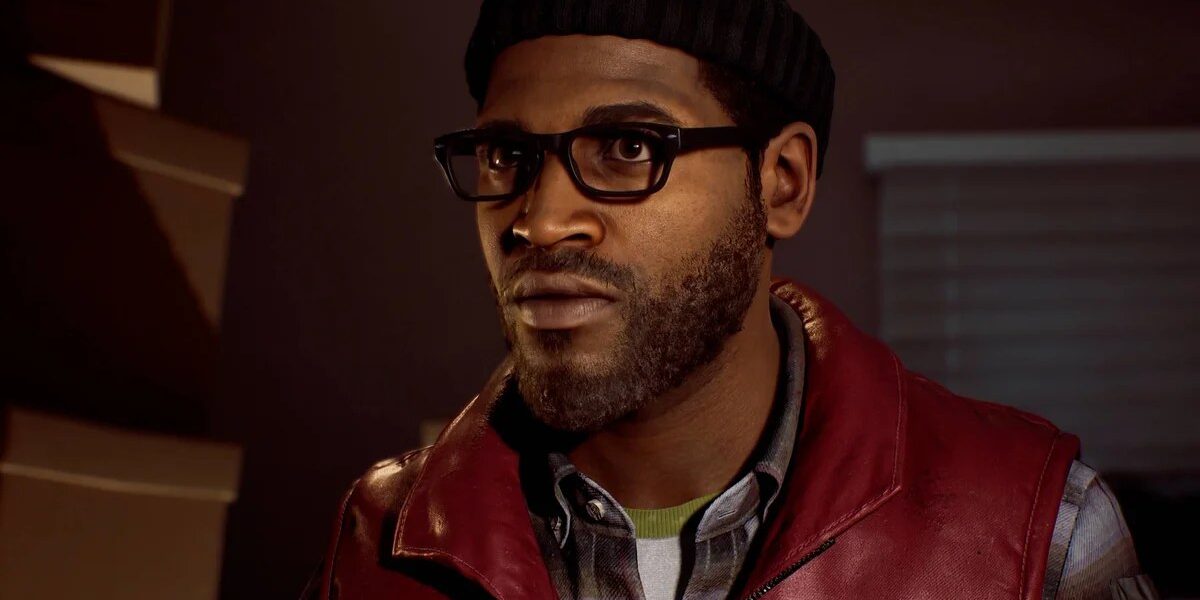
In the heart of Gamescom 2026, I found solace from the relentless horror of Silent Hill: Townfall in the surprisingly comforting familiarity of its abandoned homes. Crouched behind a garden fence, mere inches away from a cleaver-wielding monstrosity that could easily dismantle my splintered plank of rotten wood, I almost heard Silent Hill: Townfall whispering mockingly: “Not too much combat now, eh?”
A New Protagonist, A Familiar Struggle
Point taken. The new protagonist, Simon, is a stark contrast to Hinako from Silent Hill f. While she was agile and adept at spear-wielding, Simon feels like a wet mouse, barely able to manage a desperate swing against even the most basic enemy. He’s taller, wider, and clad in a padded gilet – a far cry from Hinako’s sleek survival gear. This shift reflects a move towards a more conventional survival horror experience.
The CRTV: A Glimpse into Madness
However, Silent Hill: Townfall isn’t your typical Silent Hill experience. St. Amelia, the game’s setting, is an ocean away from Jimmy S’s dreamscape and steeped in 1990s British culture – complete with 20mph signs, yellow kitchen cabinets, and those iconic grey phoneboxes. This authentic touch comes courtesy of Glasgow-based developer Screen Burn Interactive.
The introduction of the CRTV is a masterclass in horror. Trapped in an almost pitch-black room, I followed the tutorial steps to tune into a detected frequency, revealing a lurking humanoid on the tiny screen. Then another frequency appeared, leading to another silhouette. The music swelled. I was surrounded. Unable to see five feet in front of Simon’s face, the CRTV transformed from a monster detector into a herald of impending doom.
Stealth Over Slaughter
Out on the foggy streets, the CRTV becomes more utilitarian, helping to track enemies while stealthing from house to shop. However, it’s not an easy win; the device itself is inherently fiddly.
“I think that’s where the Nineties [setting] helps,” director and writer Jon McKellen explained. “Because you’re at the cusp of technology. It’s pre-Internet, pre-smartphone, so you’re not leaning into tech that does empower you.”
“The tech’s kind of unreliable, it doesn’t work all the time. It feels slow and sluggish. It’s limited. Even the way that we use the CRTV to track enemies and see through walls, you can only see one enemy at a time. So if you have three enemies in an area, you’ve got to tune between them, and it feels tactile, and a little bit clunky, but deliberately so. It feels like it’s not the perfect tool to save you.”
Sure enough, staring too long at the screen instead of watching for creatures is a surefire way to get slashed. And, as I can attest, overestimating how concealed you remain while lean-peeking is equally dangerous. However, these tools strongly favor stealthy gameplay, along with Simon’s ability to slip into cupboards, Alien Isolation-style.
Fighting, on the other hand, seems actively discouraged, perhaps even beyond the usual survival horror tenets of saving precious resources. “Weapons,” assuming that word applies to glorified sticks, are even more brittle than the armaments in Silent Hill f, and even the most basic enemy can attack faster than Simon can raise an effective block. Honestly, total loser. Scuttling around behind cover, watching the CRTV for turned backs and escape windows, is evidently Townfall’s preferred way to play.
A Hauntingly Familiar World
Which is fine? I think? While Silent Hill f didn’s entirely undermine its own tension, Townfall’s slow pace and stronger sense of weakness does feel more conducive to unscripted horror. And carrying over that careful, methodical approach to the village’s relatively safe interiors also makes it easier to appreciate one of the less expected strengths of these early stages: the wonderfully lived-in homes of St. Amelia’s denizens.
Once things went all Silent Hillly, alas, some of that homeliness has been compromised by bloodstains. But as with the road signs and the phoneboxes, the attention to detail in these spaces is impressive, and absolutely enhances the process of rifling through them for puzzles. Unique family photos on countertops. Drawers full of loose, clattering cutlery. Still-ticking wall clocks. An elderly resident’s bathroom cabinet stuffed with pill bottles. Different wallpapers in each room of a family home, peeling monuments to the value of placating children over adhering to interior design consistency.
According to McKellen, this personal touch was achieved by Screen Burn’s designers essentially taking one house each and decorating them as they pleased, even enlisting their own families for extra flourishes. “Whether that’s fridge magnets or calendars or whatever they grew up with, they could kind of infuse [interiors] with that,” he explained. “And even some of the drawings that are in the game, like on fridges, are by our kids.”
“We’ve always said that the game should feel nostalgic to us if we grew up in the UK. It should feel nostalgic for us, and for everyone else, it should feel moving, and I think we made that happen.”
If you’re not easily moved, and/or have never owned furniture bought from an Argos catalogue, fear not: Konami are still keen to keep the series globe-trotting. Everyone else, Silent Hill: Townfall is out on September 24th.
Source: Rock Paper Shotgun




Comments
Be the first to comment.