

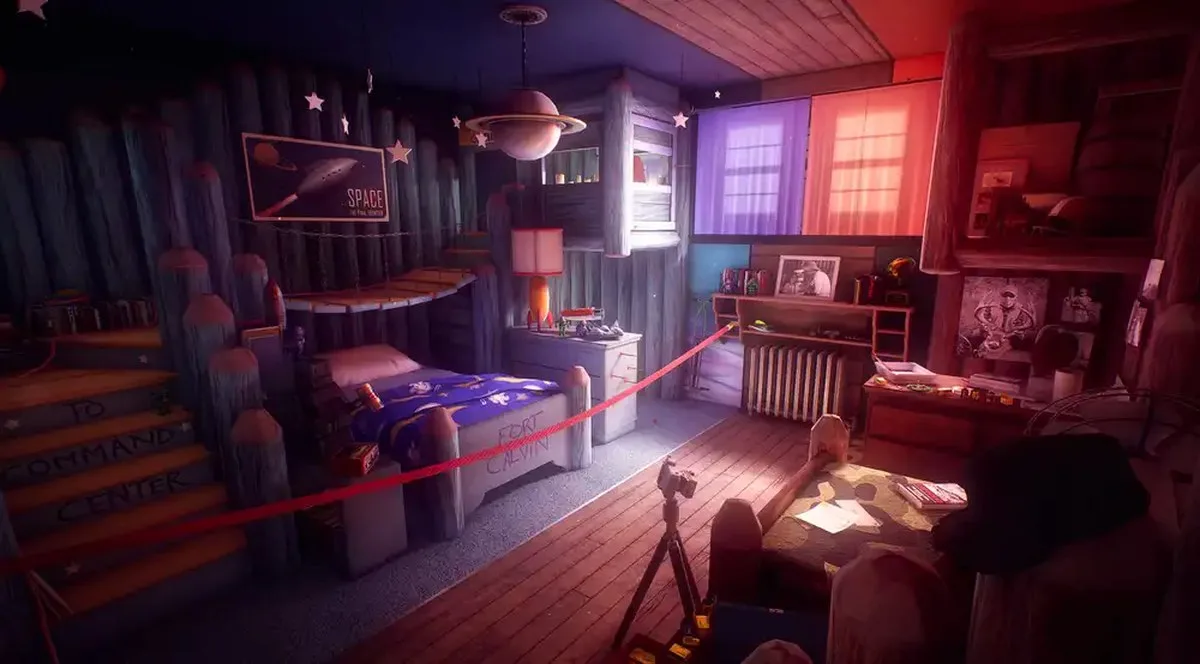
In the vast landscape of video games, some experiences transcend mere entertainment, leaving an indelible mark on our hearts and minds. “What Remains of Edith Finch,” released in 2017, is one such game. Its unique blend of storytelling, exploration, and emotional depth continues to resonate with players long after the credits roll, largely due to its profound and unforgettable quotes.
A Legacy Forged in Grief
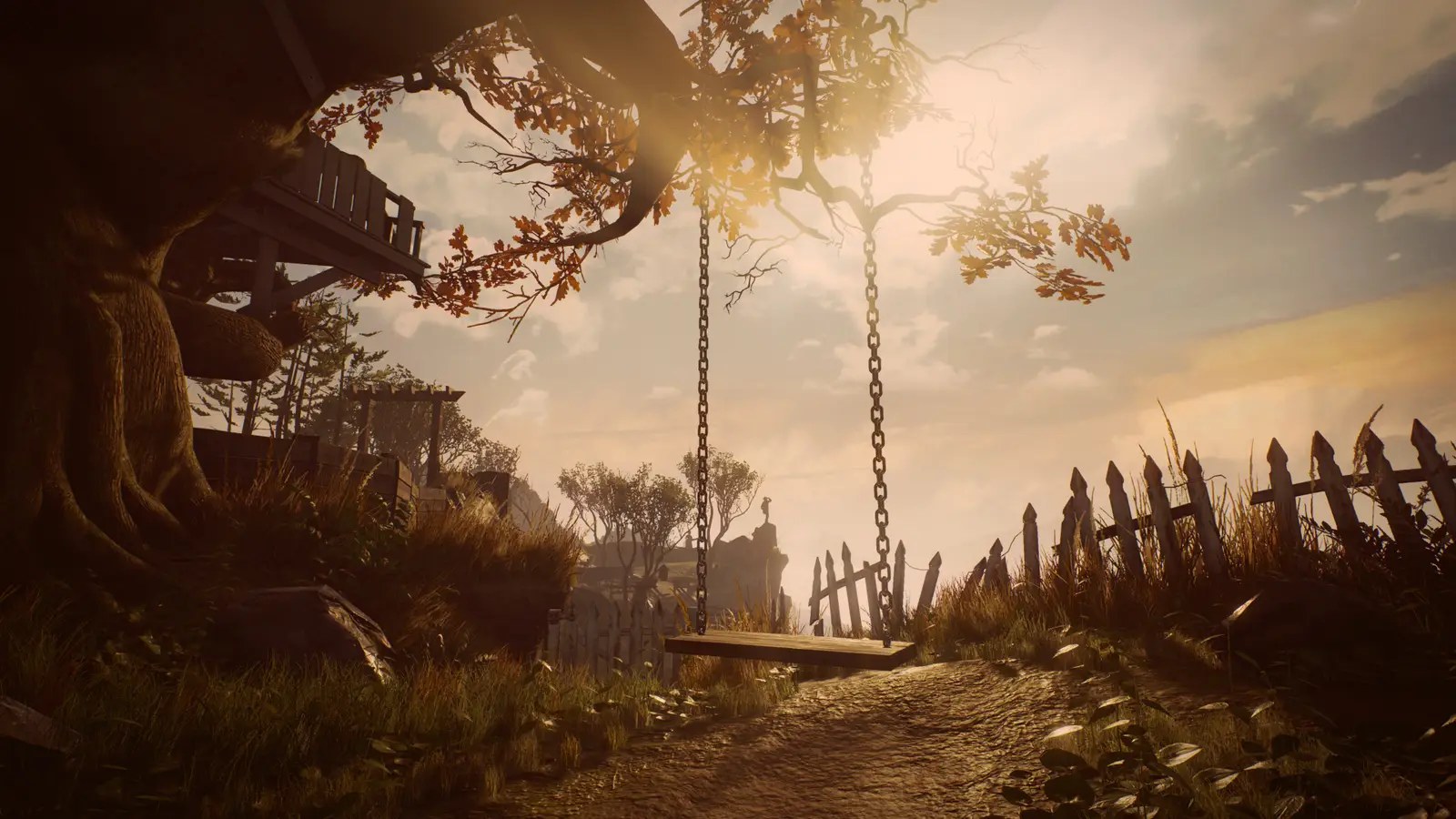
Grief is the defining characteristic of the Finch family legacy. The game masterfully explores this theme, inviting players to step into the shoes of Edith Finch as she navigates her ancestral home, uncovering the stories of her deceased relatives. It’s a first-person experience that forces introspection and contemplation, making it unlike any other game on the market.
Like “Firewatch” before it, “What Remains of Edith Finch” is more than just a game; it’s an interactive narrative that lingers in your memory. The quotes, particularly those spoken by Edith as she recounts her family’s history, are not easily forgotten. They encapsulate the game’s core themes of loss, acceptance, and the fleeting nature of life.

The gameplay revolves around exploring the Finch house, a Winchester-style mansion filled with sealed rooms, each representing a different family member. As Edith wanders through these spaces, she triggers vignettes – short, interactive stories that reveal the circumstances surrounding each person’s death. The game cleverly uses objects within each room to unlock these memories, creating a sense of discovery and unease.
One of the most striking aspects of “What Remains of Edith Finch” is its portrayal of grief as a force, rather than simply an emotion. The sealed rooms represent the way grief can be compartmentalized and suppressed. The game suggests that while it’s natural to feel sadness, it’s also important to acknowledge and process these emotions.
Dawn, Edith’s mother, sought to protect her family from the pain of loss by sealing off the rooms associated with deceased relatives. However, her great-grandmother, Edie, believed that memorials were a way to honor the lives people had lived. This conflict highlights the different ways in which individuals cope with grief.
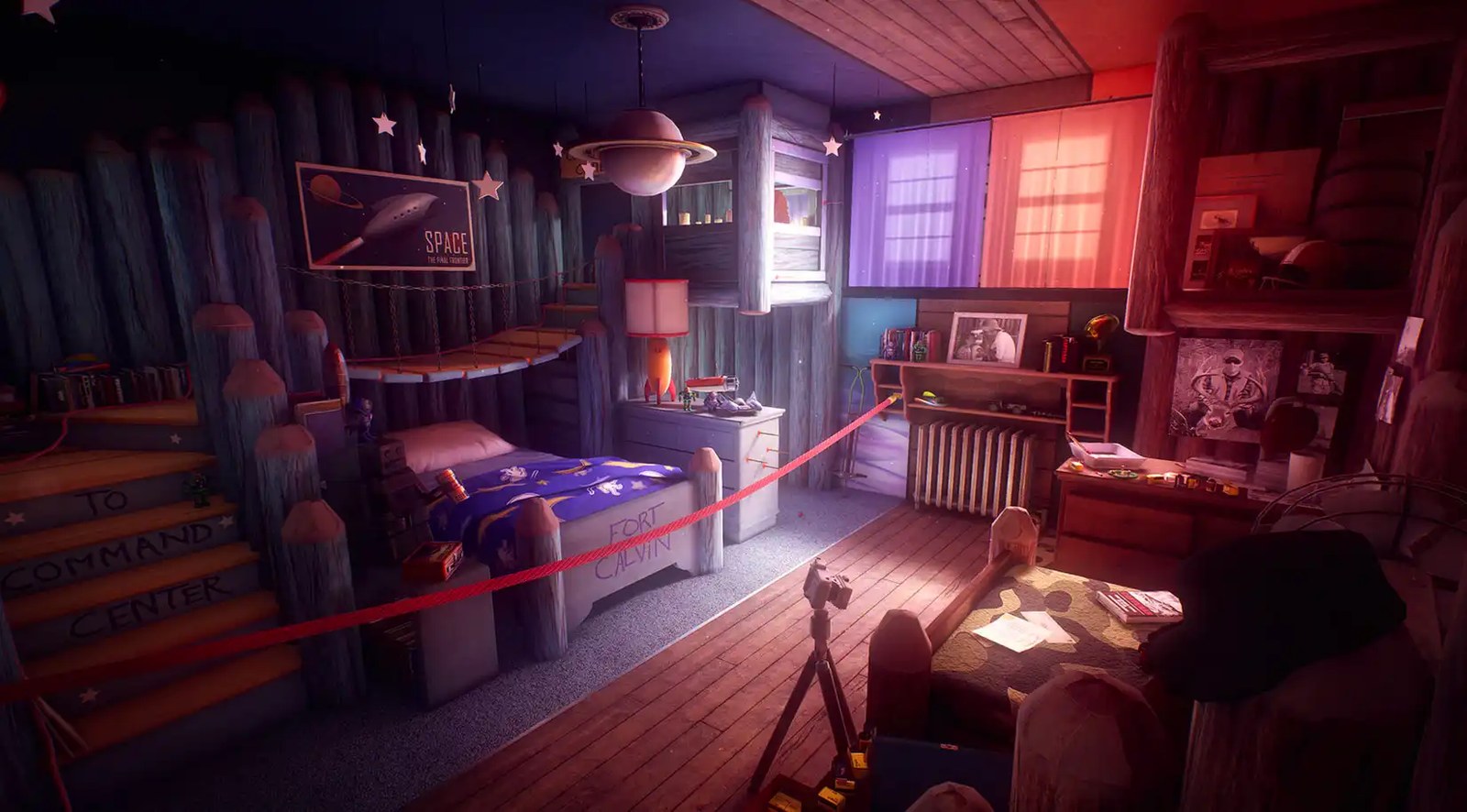
The game’s narrative depth is another reason why it continues to resonate with players. Edith often reflects on the brevity of life and the importance of cherishing every moment. Her words, spoken directly to the player, create a powerful connection and encourage introspection.
“If we lived forever, maybe we’d have time to understand things,” she says. This quote encapsulates the game’s exploration of mortality and the human desire for meaning in the face of loss.

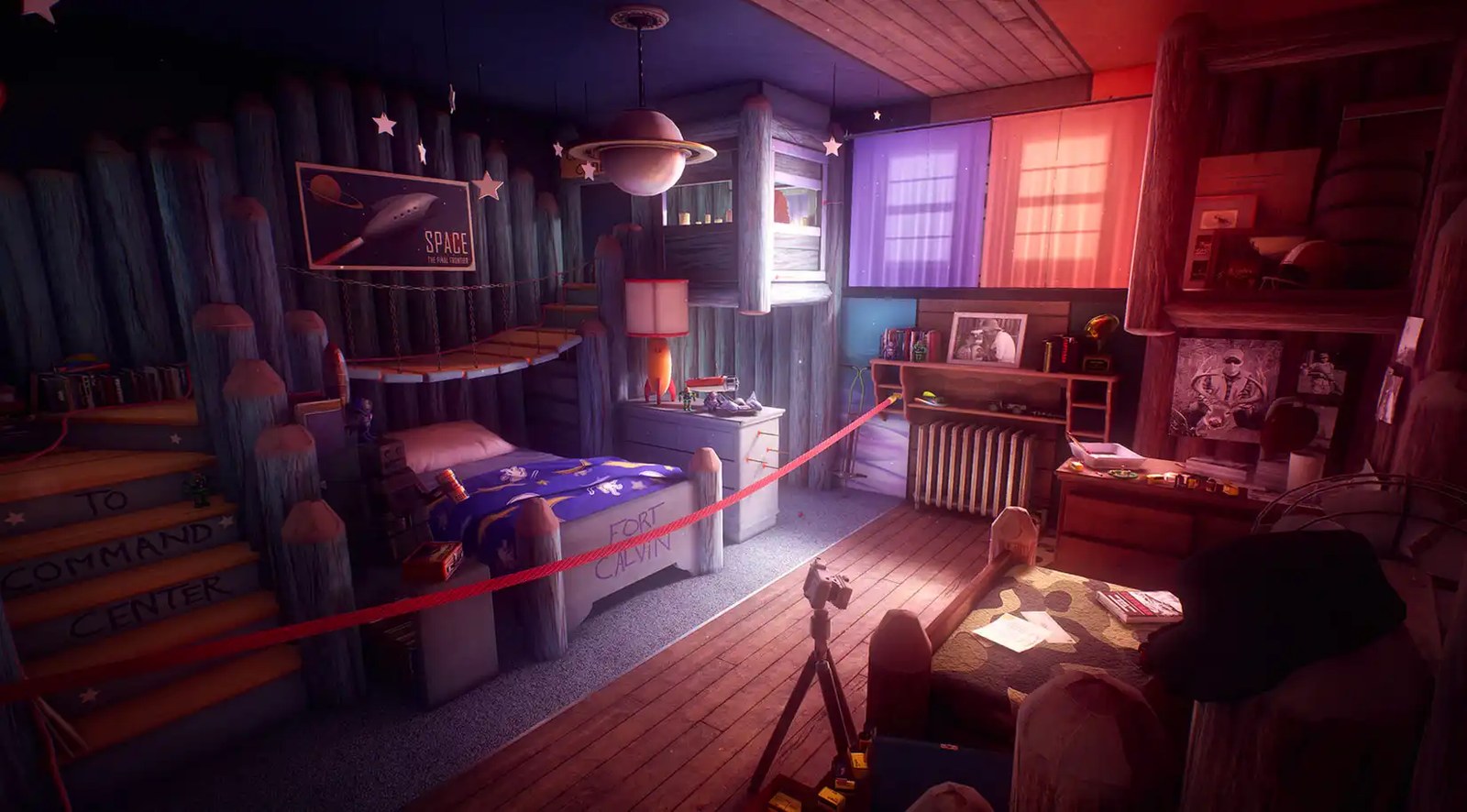
The game’s exploration of grief is not always straightforward. There are moments when the player’s actions directly contribute to a character’s demise. While this may seem unsettling, it serves to emphasize the inevitability of death and the limitations of human control.
However, “What Remains of Edith Finch” ultimately offers a message of hope and acceptance. Edith reminds us that life is both strange and beautiful, and that sadness does not define it. Grief is not something that needs to be fixed, but rather acknowledged and integrated into our understanding of the world.
“It’s a lot to ask, but I don’t want you to be sad that I’m gone. I want you to be amazed that any of us ever had a chance to be here at all,” Edith says. This quote encapsulates the game’s ultimate message: to appreciate the preciousness and fragility of life.


Have thoughts, questions, or benchmarks on this topic? Join the discussion on our forums.
Join Discussion ➔






















1 comment