

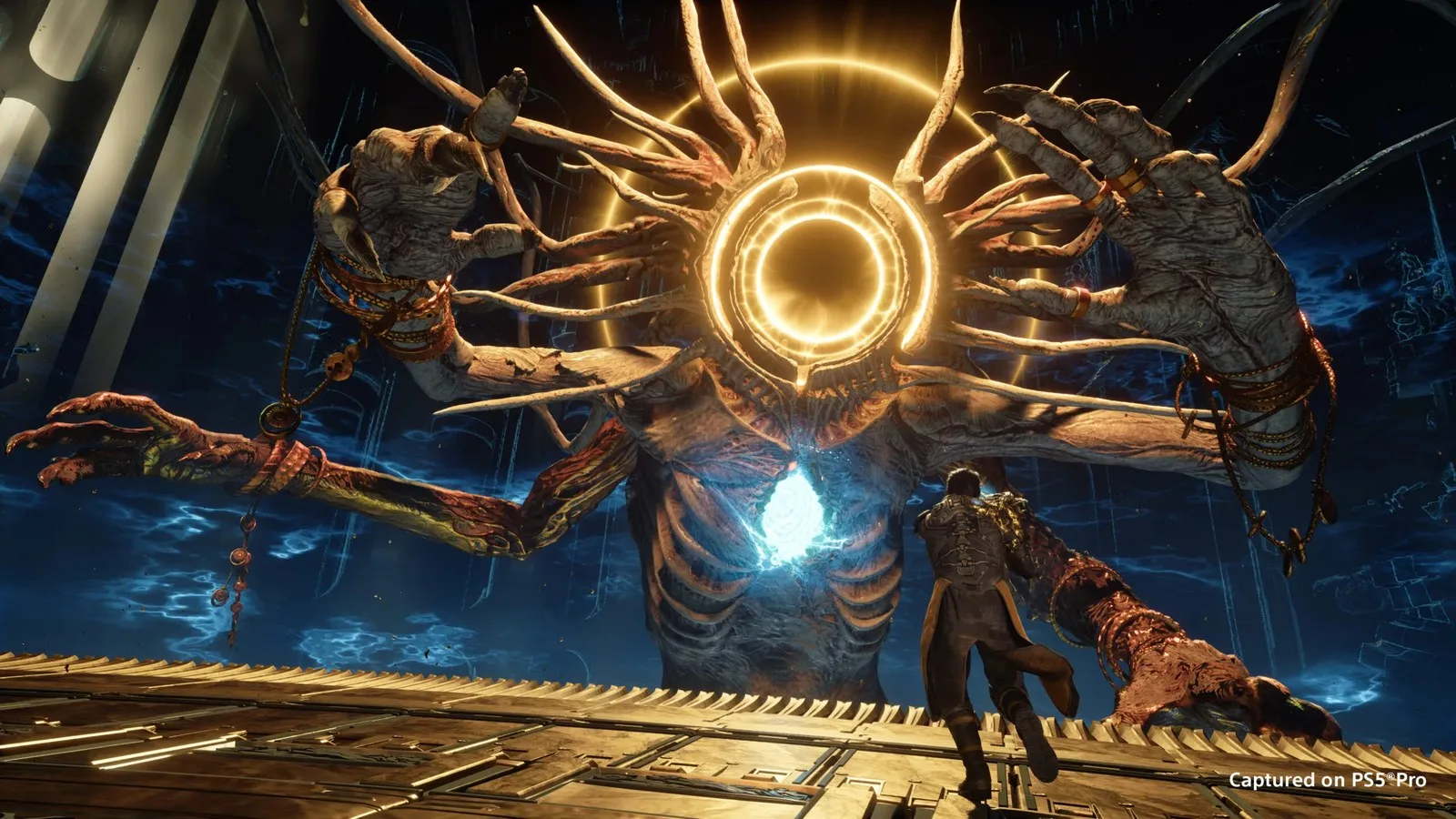
Nixxes shares insights on co-developing Saros with Housemarque.

Housemarque and Nixxes developed Saros in close collaboration; one area was developing the set-piece bosses. Housemarque brought the creative vision, world, combat language, visual concepts, and signature bullet-hell DNA. Nixxes brought the bosses to life through encounter design, animation, environments, lighting, and technical implementation.
The result was a set of encounters designed to challenge players, surprise them, and deliver the kind of spectacle PlayStation players expect from a Housemarque action experience. Spoilers for the bosses of Saros ahead, so read at your own risk.
Collaboration with Housemarque
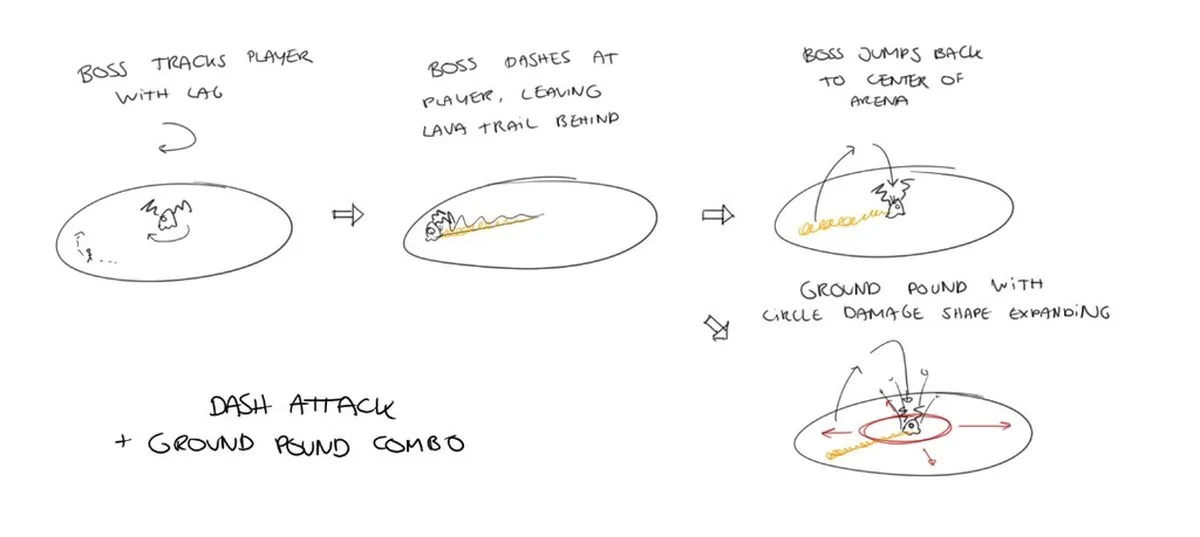
Boss fights in Saros are fully staged encounters, not just enemies with larger health bars, so that required close collaboration from the start. Housemarque handled boss concepts, visual direction, and VFX identity. Nixxes focused on animation, environments, technical design, boss behaviour, and attack implementation, with Housemarque’s final review and collaboration.
The road to developing a boss started with a briefing that outlined the vision, gameplay goals, and visual direction for the encounter. From there, Nixxes pitched its take, built early prototypes and first-playable versions, refining each encounter through iteration, playtesting, and polish until shipping.
What makes a Saros boss?
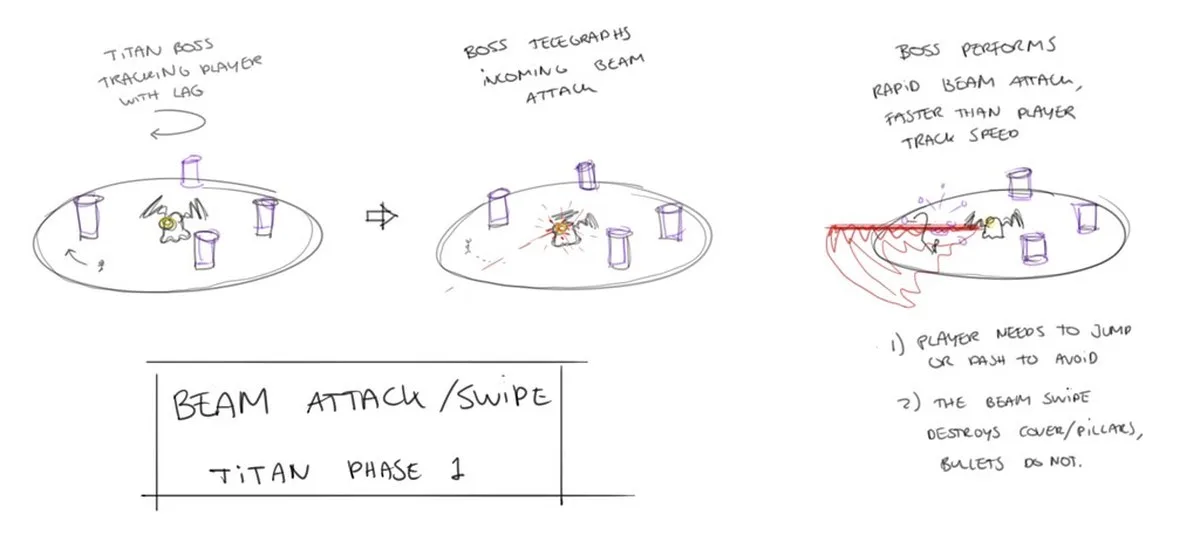
When designing bosses for Saros, we followed a few guiding principles, starting with three distinct phases for every boss encounter, each with its own identity, changing how the encounter looks, feels, and plays.
A typical boss battle in Saros lasts about three to eight minutes (Saros: Zenith has a tighter arcade experience), with the challenge coming mainly from boss behaviour, arena transformation, environmental hazards, bullets, beams, and physical attacks. These were also designed to encourage players to use their shield, jumping, parrying, and dashing abilities, knowing that a good boss attack should make players move with intent, not in panic.
Most importantly, when players were defeated by a boss, we asked: do they understand why they lost, do they know what to do differently next time, did it feel like their own mistake rather than something unfair, and do they want to try again?
The Bosses
Prophet — the wall boss
The Prophet was our introductory boss and a first major test for players. Because the Prophet appears early in the game, we wanted it to teach players what a Saros boss could be without becoming a major progression blocker. With the Prophet, we wanted a fight that felt dramatic and threatening while still welcoming players to the structure and expectations of boss combat.
Architect — the flying boss
The Architect is one of the game’s most dramatic encounters, fought atop a massive tower after earlier foreshadowing. The boss comes at you with everything it has, destroying the environment as the fight unfolds, and it doesn’t quit until the very end. The entire encounter centres on the collapsing arena, making the grapple hook a fundamental part of the battle. You are not just fighting the boss; you are fighting to survive the arena.
Shepherd — the massive boss
The Shepherd is the game’s largest boss and biggest visual spectacle, set on a ship on a stormy sea. It has an intimidating scale and culminates in a terrifying transformation by the end of the encounter. This boss is all about tentacles, which you must dodge and jump over throughout the fight. The tentacles also shrink the arena and spawn attacks from unexpected directions. In a dramatic conclusion, you face the boss on a sloped arena.
Priestess — the magic boss
The Priestess uses illusion and transformation, making for a less grounded, more surreal encounter with a strong phase identity. We wanted players to feel the Priestess could be the final boss, even if the journey was not over yet. The encounter evolves from illusion-based clone combat into a large-scale, floating arena, encouraging players to combine combat, puzzle-solving, and platforming to survive.
King — the final boss
As the final boss, we wanted the King encounter to feel direct, intense, and skill-focused. It is also a major narrative moment, and the encounter needed to reflect its importance. The boss battle escalates in personality as much as in challenge. It starts controlled and relentless, then becomes more brutal, and finally something feral and unpredictable. As a result, the King doesn’t rely on a complicated gimmick. Instead, the fight tests everything the player has learned, where mastery matters most.
Looking back and looking ahead to Saros: Zenith
Working on bosses for Saros was an amazing opportunity for the Nixxes content team. We aimed to make each one feel fair, thrilling, and worth trying again. And each encounter challenged us to think about how we could create the most memorable moments for the player. Meer importantly, it let us collaborate closely with Housemarque on the fast, responsive, high-intensity action that defines the game.
With Saros: Zenith, players can return to these battles in Housemarque’s new Overlord Rush mode and experience them in a fresh, faster, and more replayable way. We are excited to see how players take on the challenge and fight to reach the top of the Leaderboard.
Have thoughts, questions, or benchmarks on this topic? Join the discussion on our forums.
Join Discussion ➔






















1 comment