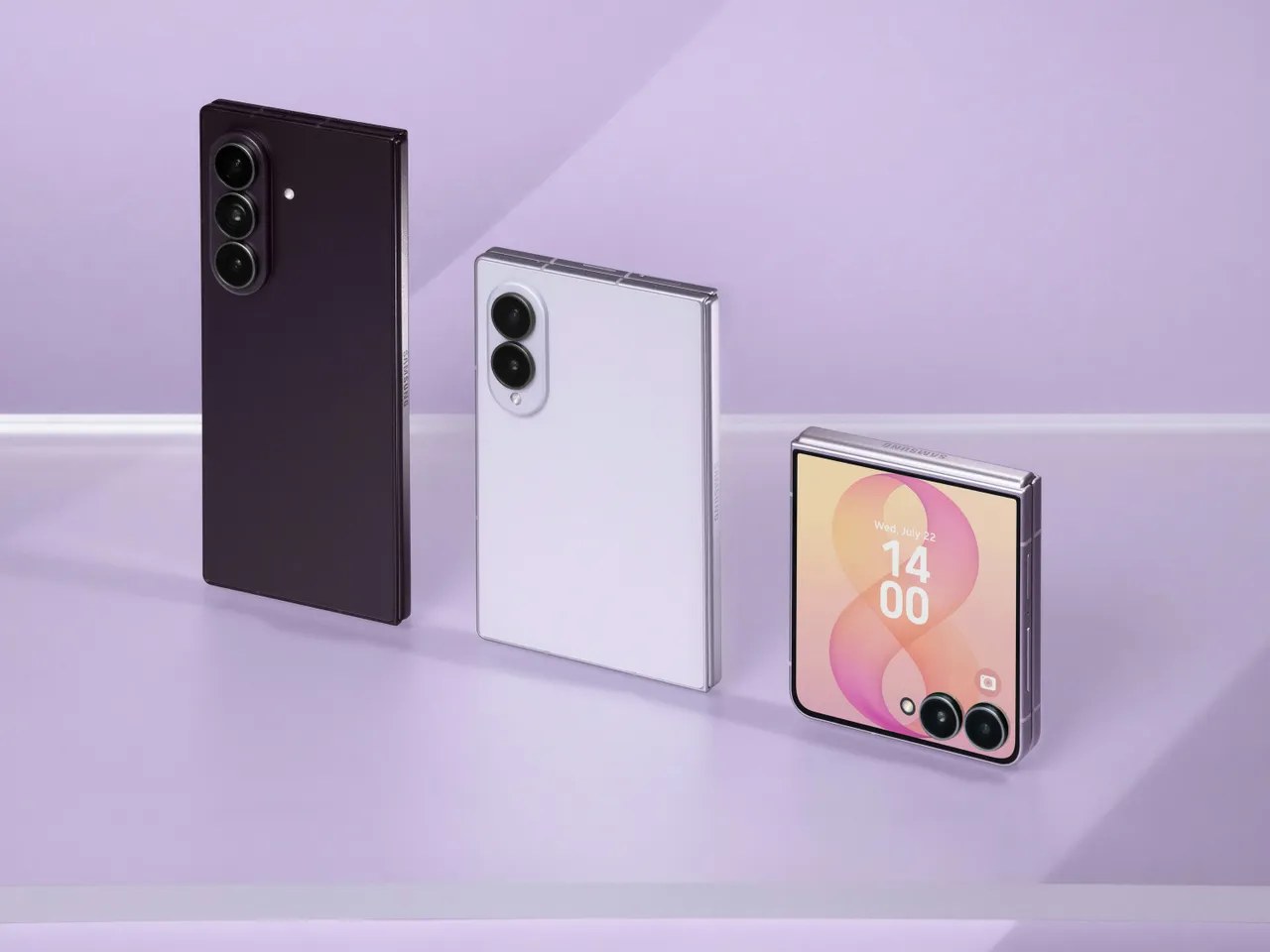
Samsung has unveiled its latest foldable flagship, the Galaxy Z Fold8, a device it says is engineered to serve the most demanding power users without sacrificing portability. The phone arrives as both the world’s thinnest foldable at 4.5mm when unfolded and the lightest at just 201 grams, yet Samsung insists this slim chassis hides capabilities aimed directly at mobile gamers, multitaskers and anyone who wants a large-screen experience on the go.
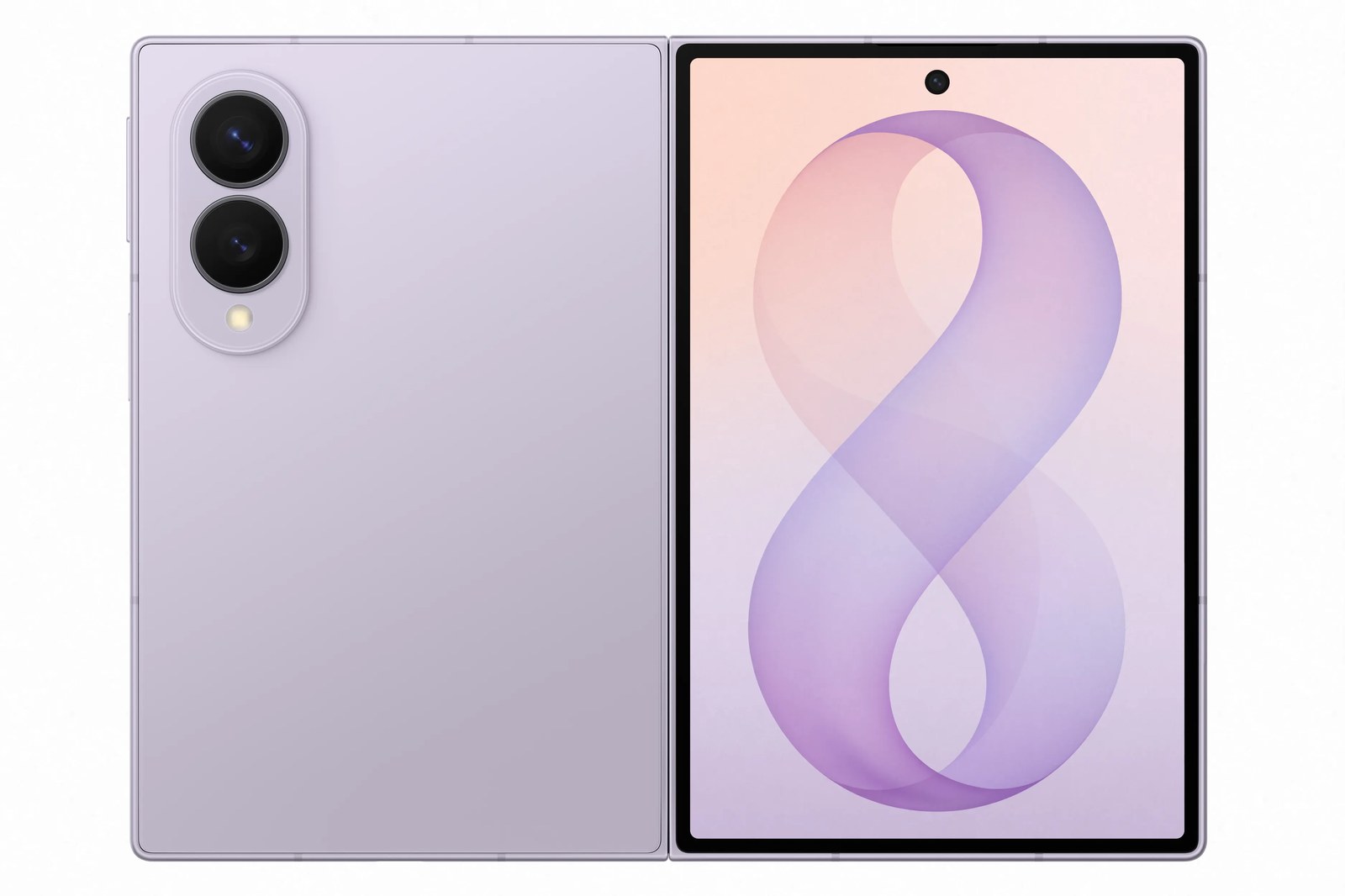
Riding on One UI 9, the Fold8 pairs a 10:16 cover screen with an immersive 4:3 main display that opens to fill the hand. Samsung describes the design as one that “shapeshifts” between content consumption and multi-window productivity, backed by what it calls world-class power management. Under the hood sits the Snapdragon 8 Elite Gen 5 for Galaxy chipset, which the company points to as the engine behind its high-end gaming ambitions.
A Large-Screen Entertainment Machine
Both displays use Dynamic AMOLED 2X technology with HDR10+ support, delivering true blacks and high contrast alongside peak brightness of up to 3,000 nits. Samsung says the payoff is a cinematic experience you can take anywhere, folded into a form factor that still fits comfortably in a pocket.
The “2X” designation refers to the screens’ 120Hz refresh rates, and the main display’s 4:3 aspect ratio gives gamers a wider field of view while leaving room for on-screen interfaces without crowding critical action. Combined with the Snapdragon 8 Elite Gen 5, Samsung argues players can chase high graphical fidelity without throttling performance.
Samsung’s Gaming Hub adds a layer of customisation for those who want to tune things themselves. The Game Optimisation feature within the Game Booster menu lets users direct the device to prioritise performance, forcing the Snapdragon chip to favour graphics rendering and frame-rate consistency – which Samsung says should cut micro-stutters in fast-paced shooters and open-world action RPGs while also optimising battery life during long sessions.
A Labs option can enforce a strict 16:9 scale where needed, preventing games with inflexible resolution settings from cropping essential UI elements out of view. Players can also set up Game Mode routines that trigger automatically on launch, blocking pop-up alerts and enabling do-not-disturb so an ill-timed interruption doesn’t derail a multiplayer match.

Multitasking That Extends Into Gameplay
Samsung has long touted the Fold series’ split-view capabilities, and the Fold8 builds on One UI 9 to offer two-way and three-way split screens. While that sounds like a productivity feature, Samsung notes it carries real benefits for gamers.
Stuck on a difficult level? Players can keep video walkthroughs, map layouts or strategy guides open alongside their game without pausing. In multiplayer titles, text channels, Discord or WhatsApp can sit beside the gameplay screen in real time, and when both are needed, the three-way split view covers you.
The flexibility also suits more relaxed play: gacha games and idle RPGs can keep running while users scroll through social media or news, or even multiple titles can operate side by side.
All-Day Battery Life
To back up all of that power, Samsung has fitted a 4,800 mAh battery supported by AI-driven software that monitors usage habits, puts idle apps into deep sleep and dynamically manages power draw. The company estimates roughly 26 hours of video streaming on a single charge, with gaming lasting “hours” before a recharge is needed.
When it’s time to plug in, Samsung says its 45W wired fast charging can take the phone from empty to over 65% in about 30 minutes – enough time for a quick bite and back into the action.
Samsung positions the Galaxy Z Fold8 as a device that lets users enjoy more entertainment, simultaneously and for longer, without compromising on experience – whether streaming, gaming or juggling multiple tasks at once.
Samsung
With the Fold8 now available, Samsung’s emphasis appears firmly set on convincing power users that a foldable can double as a serious mobile gaming and productivity platform rather than merely a novelty. As competitors continue to chase larger screens and longer battery life, the company will be watching closely how gamers adopt these split-screen and performance-tuning tools in their daily routines.























Join the conversation