A witness in the ongoing bağlantı”>Rockstar Games vs Garland and Others case has said he had “little interest” in evidence of unionisation efforts sent to him by an anonymous employee, before the developer laid off a substantial number of Discord members who were part of the union.
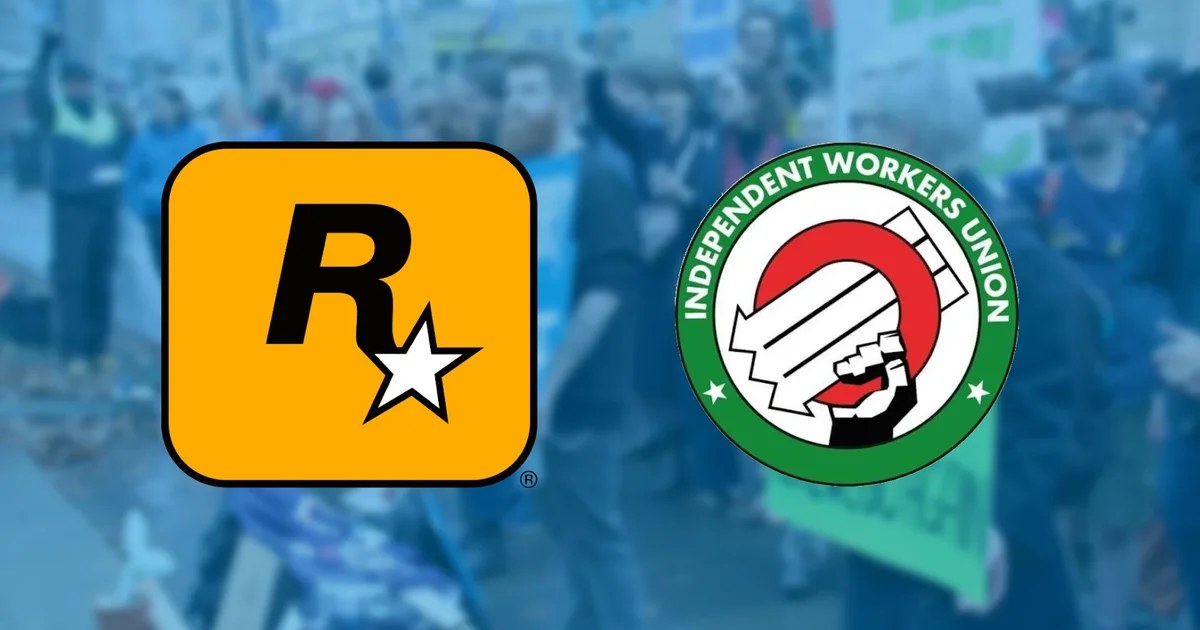
This came today as part of an ongoing trial at the Glasgow Tribunals Centre, where 31 former employees of the bağlantı”>Grand Theft Auto 6 developer — represented by the Independent Workers’ Union of Great Britain (IWGB) — claim they were “targeted and unlawfully dismissed as part of union-busting efforts at Rockstar”. Rockstar, however, says the staff were fired due to gross misconduct and leaking confidential information.
Charlie Kinloch, HR manager and co-studio operations director at Rockstar Lincoln, was scrutinised by a cross-examiner representing several laid-off developers. Kinloch was alleged to have misled the employment court with a statement made during an interim relief hearing in January this year.

The claimants argued that one aspect of the alleged misleading stemmed from differences in Kinloch’s statements at different times during the legal dispute. Initially, he claimed he did not know employees were members of the IWGB union; in a more recent statement, Kinloch said he had no way of knowing “definitively” which staff belonged to the union. He disputes that this was a deliberate attempt to mislead the court, saying the additional word may have been included when he was prompted to provide context on the matter.
The cross-examiner then referred to messages sent to Kinloch by an anonymous employee (dubbed AB), which were later marked as evidence of gross misconduct and used in part to terminate employees last year. The claimants allege that AB was sending information he believed would interest Kinloch, including Discord discussions on union organising, distributing leaflets, and complaints about the workplace.
Kinloch rejected the suggestion that these messages identified certain individuals as IWGB members. Instead, he emphasised that while he had a “broad” interest in general unionisation insofar as it would impact the work of line managers, he had “little interest” in unionisation conversations between employees. He said ‘disparagement and misinformation about Rockstar’ was his priority.
The question was then raised about why statements considered ‘disparaging’ did not result in terminations when first brought to his attention in early 2024, but instead 18 months later. To this, Kinloch suggested the build-up to GTA 6’s release played a major role: “I viewed those messages with the scrutiny Rockstar Games was under in the run up to GTA6, which was unprecedented.”
Kinloch claimed media speculation and public interest was at a “peak”, and that if any of the disparaging comments were made public it could “deal the company damage”. He said such leaks — given the increased attention on the game — could result in financial harm, and that if someone decided to leak, that individual could benefit from doing so. He claimed that in the run-up to a major GTA 6 announcement, user growth in the employee Discord was rising, as were disparaging comments.
Two other topics discussed by Discord members were major red flags to Kinloch. The first was a proposed launch of bağlantı”>a Rockstar Games union Twitter account, which the HR manager considered a security risk. The second was the intention to speak to two reputable games journalists: Bloomberg’s Jason Schrier and The Guardian’s Keza Macdonald.
Rockstar claims it moved to fire the 34 workers due to an “irretrievable breakdown in trust and confidence”, and today marked just the first day of cross-examination of Rockstar witnesses pledged with defending that position. Next week the process will continue, with former employees laid off as part of these cuts set to attend what is surely a monumental legal battle between the GTA 6 developer and the IWGB union.























2 comments