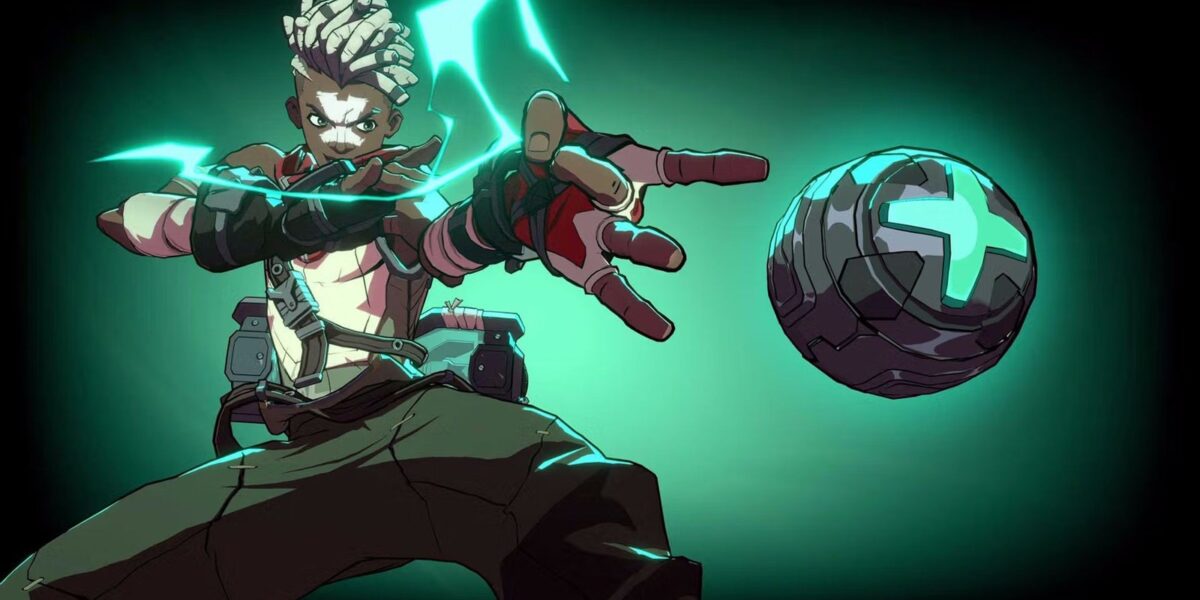
The fighting game community is still reeling from the news that Riot Games has officially shut down its tag fighter, 2XKO. After a rocky launch and years of development, the inevitable came in August: servers are going offline, and refunds are being offered for all in-game purchases. While many saw this as a failure, one of the game’s architects is pushing back against that narrative.
A Bold Experiment Cut Short
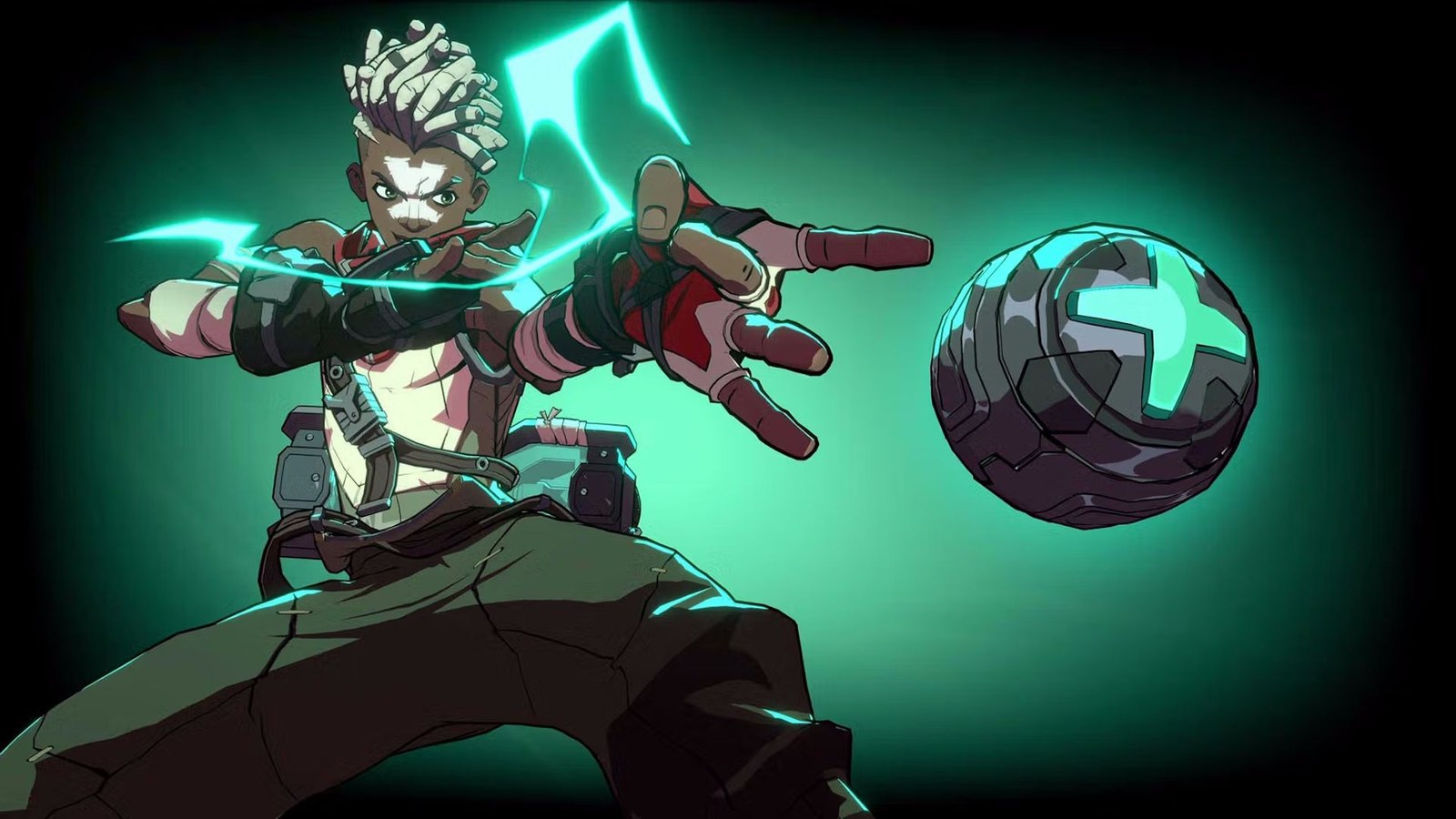
The tag fighter failed to capture the hearts of both newcomers and seasoned veterans alike. The ambitious gameplay mechanics, while innovative, proved difficult for many players to master, and the game struggled to gain traction in a crowded market.
Behind the Curtain: A Look at 2XKO’s Demise
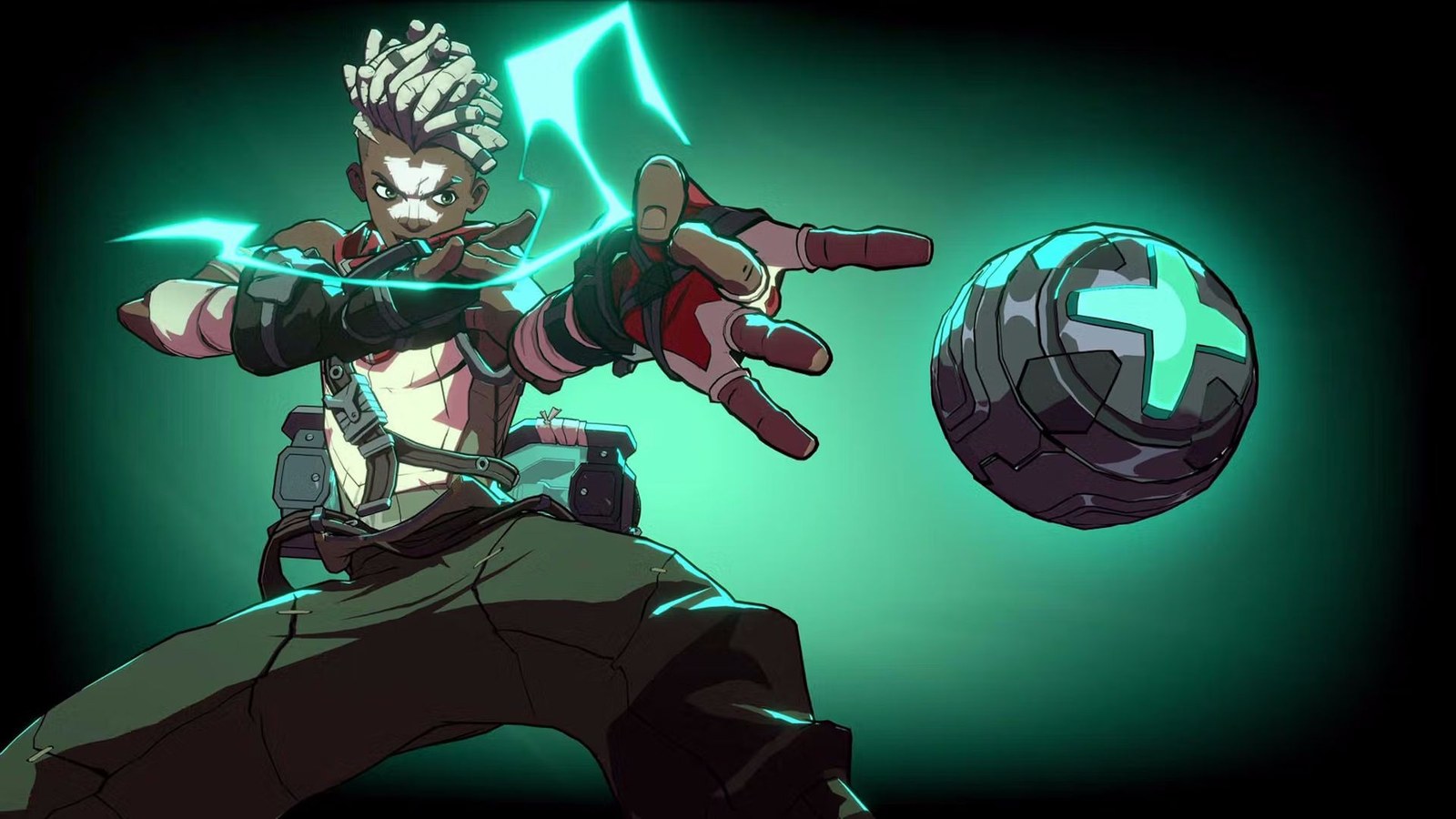
After years of development, a shaky launch, and ultimately, the inevitable came for Riot’s tag fighter 2XKO in August: servers are going offline after this year, and refunds for everyone who had made in-game purchases up to that point. In its announcement post, Riot admitted that it was unable to find the momentum to keep 2XKO sustainable, a sentiment that co-founder Marc Merrill echoed during this weekend.
Merrill’s Perspective: Not a Mistake, Just a Challenge
When asked about mistakes the developer has made over the years—while tangentially mentioning the tag fighter—Merrill responded: “Well first of all, I wouldn’t characterise 2XKO as a mistake.”
The Vision Behind 2XKO
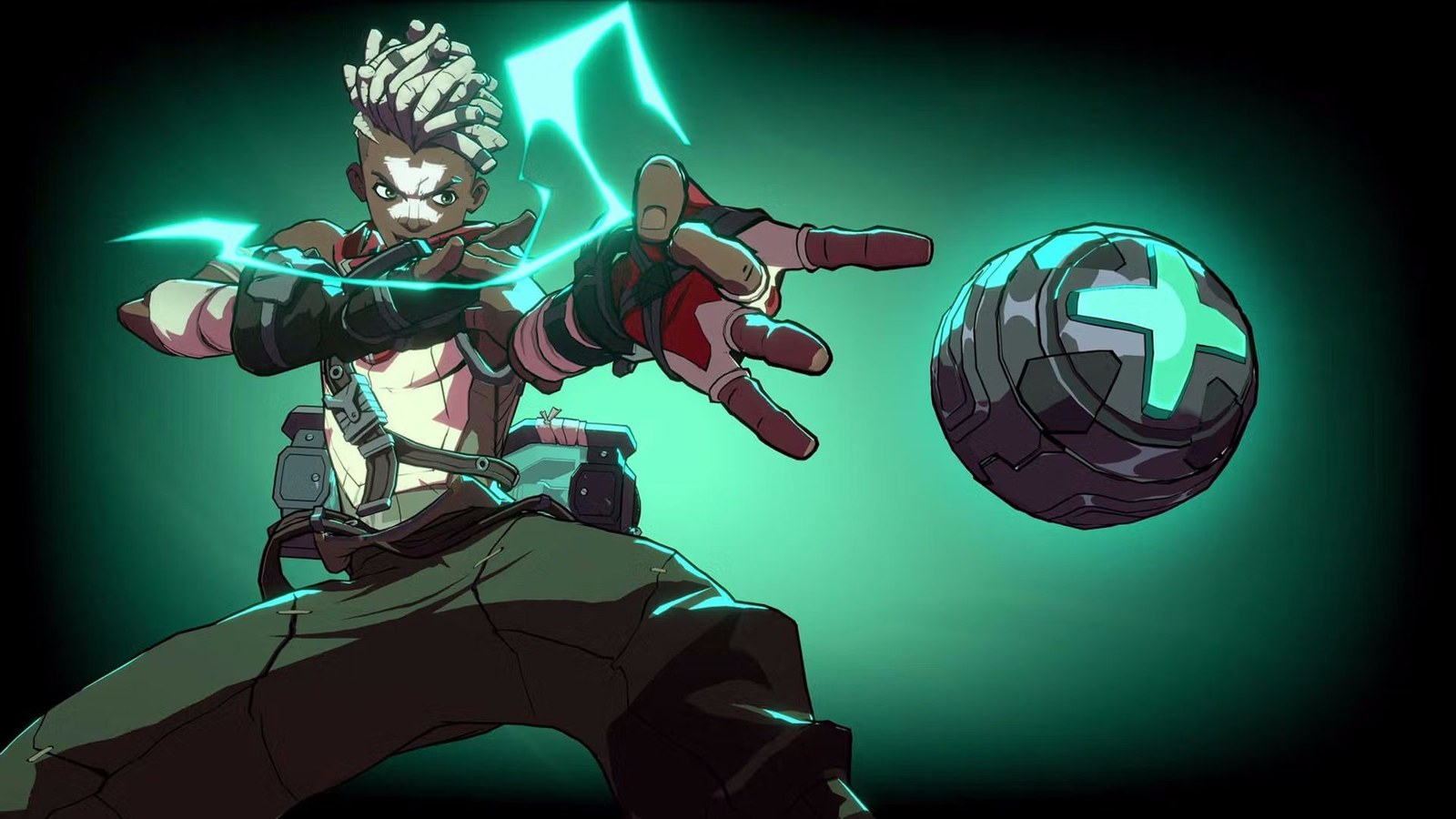
Merrill says that following a meeting with EVO founders and 2XKO developers Tom and Tony Cannon, he and fellow Riot co-founder Brandon Beck “thought that there were a lot of opportunities in and around the competitive scene; thought that there were going to be benefits to the free-to-play model; thought the League IP could be incredibly cool both for League players and players in the FGC. And we delivered a game that’s beautiful, that took risks with the tag system, all sorts of stuff.”
The Battle for Attention
But by Merrill’s own admission, getting a live service game out there with moderate attention is a big ask. “One of the challenges with free-to-play games and/or the live service model in general is unless you do something so incredible—especially in a really competitive world where 20,000+ games are launched on Steam and there’s an infinite amount of social media content and there’s an infinite amount of stuff to go watch on YouTube—you’re not just competing against games, you’re competing against everything.”
The High Bar for Success
Merrill continued: “What we’re doing is competing for people’s attention and time and that’s a really high bar, and you have to get so many things right to get enough critical mass to build the community and really have it turn into something that can be sustainable over the long term. And 2XKO unfortunately, um, didn’t do that.”
A Fond Farewell (For Now)
It is a bummer to see 2XKO fall so hard on its face—though perhaps a fate anyone who’s spent enough time in the FGC could see clear as day, and I for one still mourn the loss of what could have been from a niche within a niche—but Merrill maintains that it’s “a great game,” and that “it doesn’t mean that the intention and desire to serve the FGC was not utterly in the hearts of the Cannon [brothers] and Rioters and us the entire time. But we’re not going to bat a thousand, we’re not going to get everything right.”
Looking Ahead: No Fear, Just Experimentation
At the very least, Riot’s swing-and-a-miss with 2XKO apparently hasn’t deterred the developer from experimenting and expanding. “It doesn’t mean that we are not going to take big swings. I know a lot of people are like, ‘Oh my god, I’m concerned about what this means for all sorts of other games.’ And it’s like, well, you shouldn’t be.” At the very least, it doesn’t seem like development on its mysterious MMO hasn’t ceased, so at least there’s that eh?





Comments
Be the first to comment.