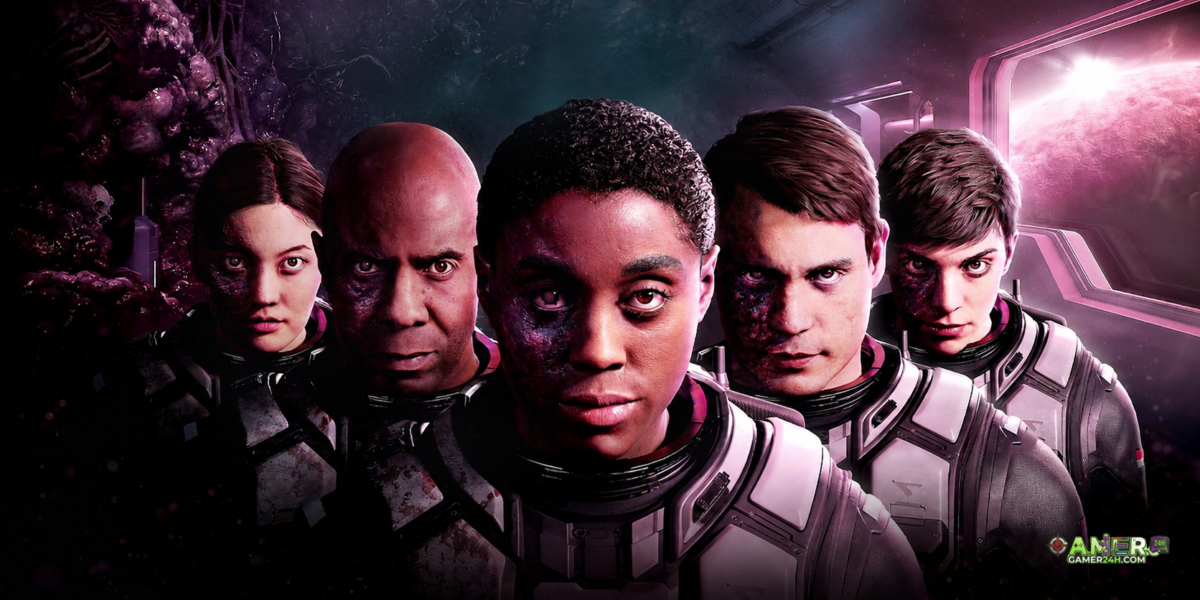
“Always the same taste” may sound like a compliment at first glance, but it can also be a subtle critique. In gaming, it signals a title that preserves its core strengths—familiar flavor, consistent quality, proven fun—yet it can also imply a lack of innovation, a failure to deliver something beyond the expected.
Super Massive’s horror interactive movies have embodied that duality for over a decade. From Until Dawn in 2015 to The Dark Pictures Anthology, Query, and The Casting of Frank Stone, the studio has become a benchmark in the genre, while critics have repeatedly warned that its formula feels stale.
When Directive 8020 launched on May 12, expectations were high. As the gateway to The Dark Pictures Anthology Season 2, many hoped the game would break the repetitive cycle that has defined Super Massive’s releases for 11 years and showcase a genuine evolutionary step.
In practice, the outcome fell short of those hopes. The game’s core mechanics—choice‑driven narrative and quick‑time events—remain largely unchanged, delivering the same “familiar taste” that fans love but also that critics decry.
Nevertheless, Directive 8020 does introduce subtle expansions to player agency. The interactive‑movie format traditionally limits direct control, but this title nudges the balance slightly toward more exploration and stealth, shifting some weight from pure cinematic observation to a modestly more active experience.
However, the added freedom is minimal. Players still find themselves mostly making choices rather than steering the action, and the new stealth segments rarely alter the story’s branching paths or outcomes.
Even the variety of playable characters—captain, pilot, engineer, doctor, scientist—offers only superficial differences. Each role follows the same routine of hiding from monsters, opening doors, and interacting with terminals, resulting in a repetitive loop that dilutes the potential for distinct character-driven narratives.
While the game’s cinematic storytelling and atmospheric design are solid, the early chapters feel predictable, echoing the classic “body snatcher” trope without fully capitalizing on the psychological tension that could have set it apart.
Moreover, the reveal of the central twist arrives too early, undermining the suspense that typically drives the genre’s emotional payoff. This premature disclosure weakens the stakes and reduces the urgency of survival in the latter stages.
Another notable change is the introduction of a “branch rewind” feature, allowing players to instantly loop back to a previous decision point after a mistake. While convenient, this mechanic erodes the tension that hinges on the weight of each choice, a core pillar of interactive‑movie design.
Graphically, the game benefits from Unreal Engine 5, showcasing sharper visuals and more expressive character models. Yet, these technical improvements cannot fully compensate for the narrative and structural shortcomings that keep the experience feeling like a rehash of familiar tropes.
In summary, Directive 8020 represents a modest attempt to evolve Super Massive’s signature formula, but it ultimately falls short of delivering a truly fresh experience. Fans of the studio’s previous work will likely find it engaging, yet the title remains anchored in the “same old taste” that has both defined and limited the interactive‑movie genre.
News Source: Co






Comments
Be the first to comment.