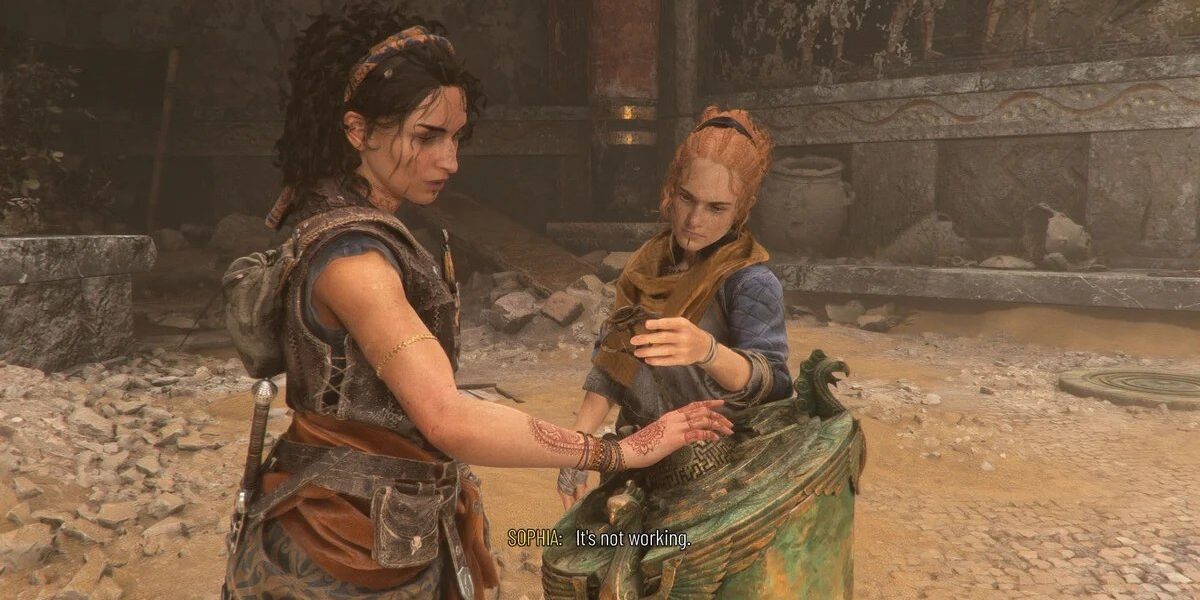
Asobo Studio’s Resonance: A Plague Tale Legacy attempts to carve its own path within the established world, but ultimately struggles to escape the shadow of its predecessors. While ambitious in its departure from the core gameplay loop, it loses much of what made the original games so unique.
A New Perspective on a Familiar World
The narrative follows Sophia as she navigates the treacherous world of smugglers and grapples with visions triggered by a mysterious poison. Her father’s relentless pursuit of treasure on the enigmatic island sets the stage for her own adventures, leading to a confrontation with Faro, his successor, who continues the search for the island’s secrets.
Combat Takes Center Stage
Unlike its predecessors, which emphasized stealth and puzzle-solving, Resonance places combat at the forefront. Sophia is trained in swordplay and knife fighting, allowing players to engage in visceral battles against a variety of enemies. she fights with a scrappy style”>She fights with a scrappy style, utilizing environmental objects like bottles and knives to disrupt enemy combos and create openings for attacks. Asobo’s attempt at defining a characterful fighting style is commendable, especially considering their limited experience in melee combat games.
she fights with a scrappy style”>She fights with a scrappy style The game encourages players to pick up bottles and knives from the environment, flinging them at their enemies to break their combos and stun them, leaving them open to attacks. She also has a powerful kick, which you can use to boot enemies into one another or hoof them over ledges.
A Linear Experience with Missed Opportunities
Resonance: A Plague Tale Legacy”>Resonance: A Plague Tale Legacy While the game attempts to create a sense of exploration, it ultimately falls into the trap of linear action games. The main path is clearly defined, with set pieces and scripted events guiding the player’s progress. Straying from this path often leads to frustration, as players encounter repetitive animations of Sophia falling to her death or awkwardly stumbling over ledges.
The game attempts to encourage exploration by hiding Resonance points in the environment, which can be used to unlock new combat abilities. However, the lack of meaningful rewards for venturing off the main path diminishes the incentive to explore, leading to a sense of artificiality and stagnation.
Narrative Inconsistencies and Lost Identity
The focus on combat also creates inconsistencies within the narrative. Sophia’s visions and her ability to access the island’s secrets are crucial to the smugglers’ progress. However, the constant presence of soldiers throughout the game undermines this narrative element, creating a disconnect between what is being told and what is happening in the world.
Furthermore, the absence of rats, a defining characteristic of the Plague Tale series, significantly alters the game’s identity. While understandable as an attempt to innovate, their omission leaves a void that cannot be filled by the new enemy introduced in the undercroft of the island.
A Plague Tale: Requiem”>A Plague Tale: Requiem In conclusion, Resonance: A Plague Tale Legacy is a competent action game that attempts to forge its own path within the established world. However, in its pursuit of innovation, it loses much of what made the original games so unique, ultimately falling short of its potential.
Source: Rock Paper Shotgun






Comments
Be the first to comment.