


Resident Evil Requiem producer Masachika Kawata has pulled back the curtain on one of the game’s most significant development pivots, revealing that the upcoming survival horror title was originally conceived as an online multiplayer experience before Capcom redirected its focus toward a more traditional, fear-driven design. The revelation comes from new comments Kawata contributed to Biohazard 30th Special Mook, a comprehensive retrospective celebrating three decades of the franchise.
The mook — described as a 124-page, full-color fan book that charts the complete timeline of the series, maps out its creature genealogy and features in-depth developer interviews — serves as both an archival treasure and a window into the studio’s creative decision-making. Within it, Kawata laid bare how Requiem nearly became something entirely different from what players will eventually experience.
A Trial-and-Error Process That Favored Horror
Kawata framed the game’s evolution as part of a broader pattern in which every entry in the series has been shaped by experimentation and course correction. According to him, game director Koshi Nakanishi initially took the online direction seriously enough to build out a multiplayer version during early development.

“Every game is a continuous process of trial and error. For example, with Resident Evil Requiem, [game director Koshi Nakanishi] initially went so far as to develop it as an online game.”
Masachika Kawata, producer
The pivot away from multiplayer was driven by internal research rather than creative whim. As development progressed, the data pointed in a direction that conflicted with the studio’s horror ambitions.
“However, the results of research conducted partway through development were not favorable, so we decided to prioritize the horror concept once again and abandoned the online direction.”
Masachika Kawata, producer
The comments were shared with English-speaking fans through a fan translation, allowing the broader community to engage with details that would otherwise remain confined to the Japanese-language publication.
Why Leon Wasn’t Enough
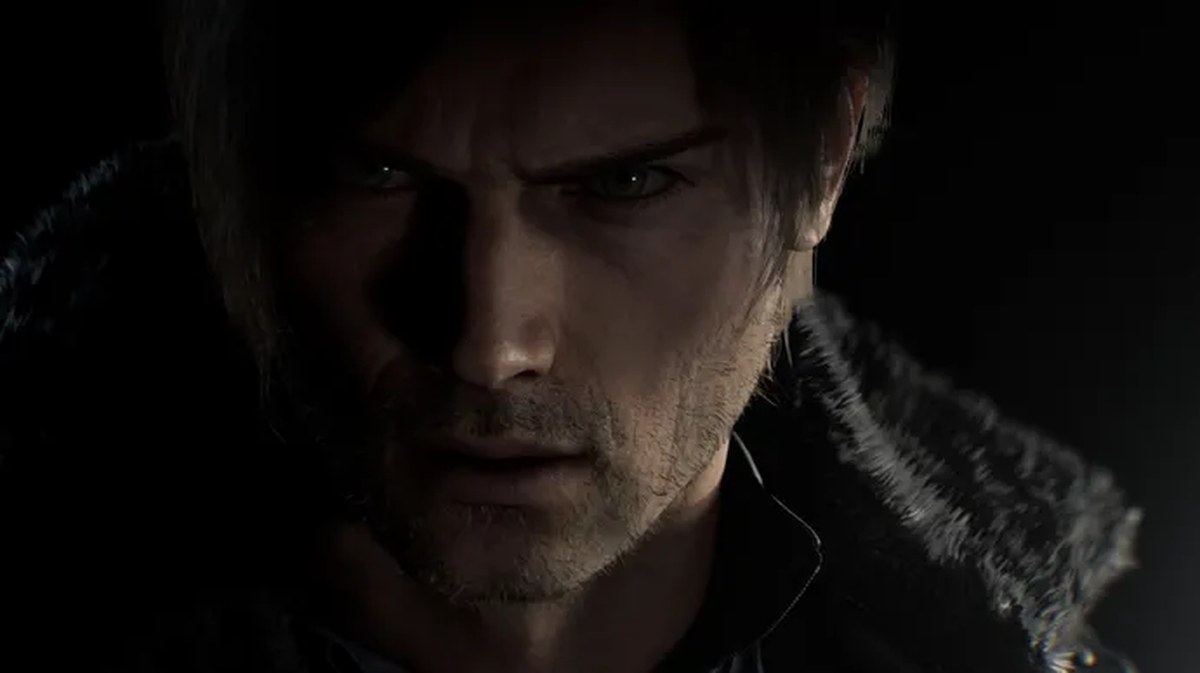
Kawata’s revelations did not stop at gameplay structure. He also explained an early casting decision that nearly reshaped Requiem’s entire narrative foundation: Leon S. Kennedy was, in fact, the first character confirmed to serve as a protagonist.
“Leon was also the first character confirmed to appear as a protagonist. However, we determined that with Leon alone, who excels in combat, ‘horror would no longer work,’ so it was decided to introduce Grace as a new character.”
Masachika Kawata, producer
The concern centered on tone. With a battle-tested survivor like Leon leading the charge, the team worried that players could dispatch zombies with such ease that the experience would tip too heavily toward action and away from dread. The introduction of Grace, an original character, was intended to rebalance that dynamic.
Kawata also shed light on Capcom’s marketing strategy regarding Leon’s involvement, noting that withholding the full picture of the game — one that would ultimately blend both horror and action elements — helped sustain momentum through release. “By keeping the full picture of the game, which would develop along both the horror and action sides, until the very end, we were able to successfully maintain interest in it up until release,” he said.
A Broader Industry Push for Online Features
Kawata’s account echoes a well-documented period within Capcom during which leadership aggressively pushed for online features across its franchises. The most prominent example came with Resident Evil 7, where management reportedly championed multiplayer and microtransactions during the game’s conceptual phase.
“Right around that time, there was a big push at Capcom, a big ‘marketing’ push, saying ‘we have to make the games players are asking for.’… ‘Online multiplayer’ this, ‘downloadable content’ that. ‘Ongoing service games! Microtransactions! Make a Resident Evil game that ticks all those boxes!’ The idea of multiplayer got killed off pretty quickly.”
Jun Takeuchi, franchise producer
Takeuchi’s recollection from 2022 illustrates the pressure directors faced as the studio weighed commercial trends against creative vision. According to him, the team eventually stripped away nearly every requested feature until what remained was a straightforward single-player horror game — marketing’s “worst nightmare,” in his words.
Looking Ahead
For Requiem specifically, the decision to abandon online development leaves an intriguing possibility open. With Capcom now moving at full speed across many of its flagship franchises — including a critically acclaimed film adaptation directed by Zach Cregger and a Code Veronica remake slated for release in February — fans wonder whether another entry might eventually embrace the multiplayer direction that Requiem declined.
The most natural candidate would be a return to the series’ online roots, with some community members speculating about a fresh Resident Evil Outbreak title. Whether Capcom pursues such a project remains unclear, but Kawata’s revelations make clear that each decision is weighed carefully against what best serves horror at its core.
This story will be updated as more details emerge from the Biohazard 30th Special Mook and future developer commentary on Resident Evil Requiem.























2 comments