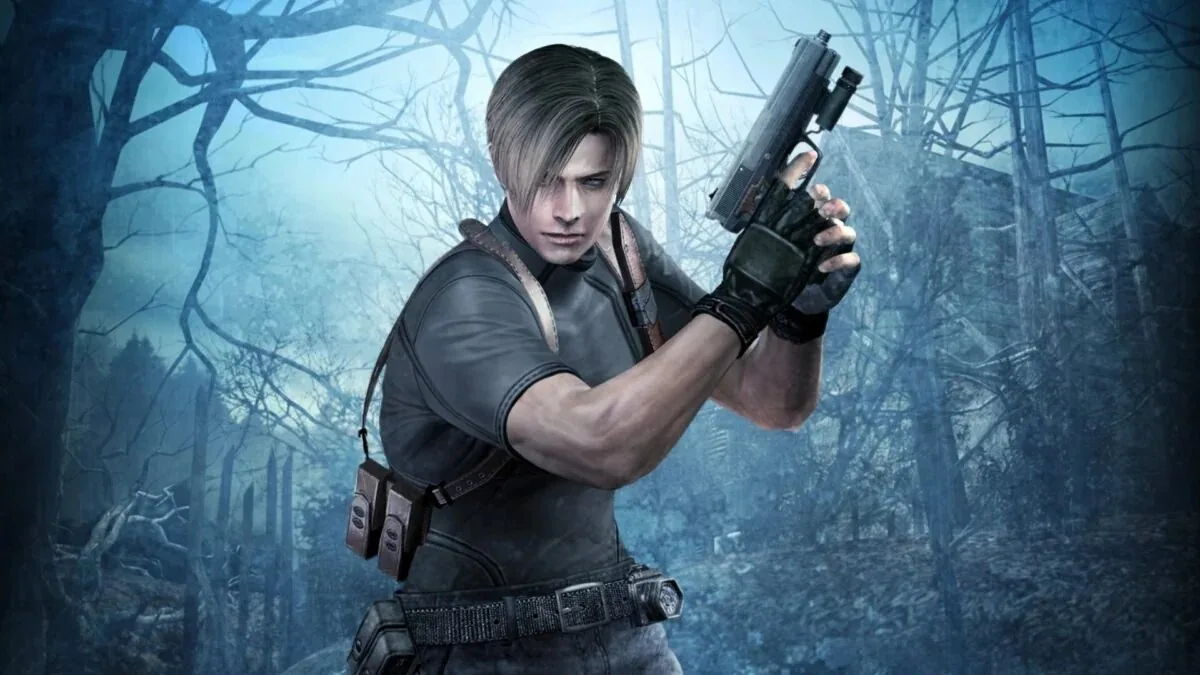
At the end of March, Resident Evil and Dino Crisis director Shinji Mikami officially announced that his studio, Unbound, has partnered with Stellar Blade creators Shift Up to publish his next game. On November 20, Mikami and Shift Up’s CEO, Kim Hyung-tae, participated in a panel at G-CON 2026 to discuss their new collaboration, during which their opposing views on AI emerged prominently.

As reported by Inven Global (via Automaton), the conversation centered on how game development will evolve from 2027 onward. Notably, Hyung-tae directly addressed the criticism Shift Up faced after releasing a fully AI-generated Stellar Blade: Blood Rain music video in late July. The CEO explained that the studio has since adopted a “handmade from start to finish” philosophy in response to the controversy. While Shift Up still plans to use AI for specific tasks—such as lighting effects and generating lower-poly 3D models—Hyung-tae argued that relying on AI from the outset would render a project indistinguishable from work produced by a “casual AI user.”
However, Hyung-tae also maintained that “game development without AI is no longer feasible.” Mikami strongly disagreed. While acknowledging that his studio is “currently experimenting” with AI—primarily to preview how hand-drawn 2D models translate to 3D—he expressed a desire for AI to “vanish entirely,” both from game development and “from the world.”
Mikami also voiced pessimism about AI’s impact on developers’ job security. He warned that the next “five or ten” years could be an “uncertain” period for video game studios, citing “a real possibility” that developers might lose their jobs to AI within the decade. Hyung-tae countered by asserting that, regardless of AI’s rapid advancement, both Shift Up’s and Unbound’s games “will inherently remain handmade.”

Have thoughts, questions, or benchmarks on this topic? Join the discussion on our forums.
Join Discussion ➔






















बातचीत में शामिल हों