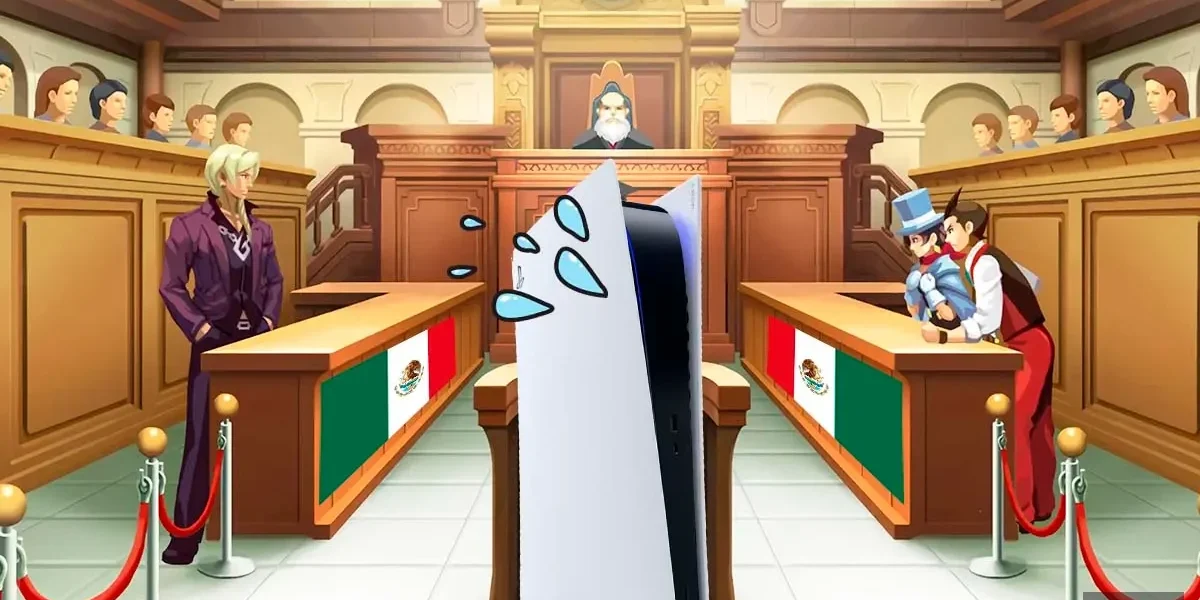
Sony’s announcement to discontinue the production of physical PlayStation discs after January 2028 is now becoming a focal point in a sweeping legal battle. By eliminating new discs, the company is effectively steering consumers toward its digital storefront as the sole avenue for acquiring games.
Industry‑wide backlash is mounting, with thousands of players accusing Sony of stripping them of genuine ownership over their purchases. In Mexico, another legal complaint is being drafted to curb this sweeping control, a move that could impact gamers lacking high‑speed internet as well as global game developers.
The Dutch advocacy organization Stichting Massaschade & Consument has lodged the hefty claim to safeguard nearly two million PlayStation users in the country, warning that the digital commission will trigger a price surge once the physical market disappears.
Analysts point out that Sony’s tight control magnifies the legal risks of disc elimination far beyond what the company originally anticipated. Market researcher Andrew Ching explains that the so‑called “Sony tax” of 30 % applies solely to digital downloads sold through Sony’s own storefront, whereas independent physical retailers pay a modest fixed fee tied to production volume rather than final sales.
The packaging model drives down the cost of physical titles and erodes their resale value once they’re no longer fresh releases. Ironically, Sony has repeatedly leveraged the secondary‑market for physical copies to counter claims of monopolistic ambition, citing retail outlets as evidence that it isn’t a monopoly.
Ching argues that phasing out discs gradually undermines Sony’s own protective strategy.
With the removal of physical media, budget‑conscious gamers will have no alternative but to purchase from Sony’s own storefront at full price, with no used‑market substitute. Sony has defended the shift by noting that roughly 85 % of sales are already digital, yet this still sidelines a sizable 15 % of consumers who prefer boxed editions.
In a bold move that has sent shockwaves across the global gaming community, the company’s decision to abandon physical discs has ignited a wave of legal challenges and logistical headaches worldwide. By effectively shutting down the market for used games, the company is eroding healthy competition, driving up prices for everyday consumers, and stripping players of the essential right to truly own the products they purchase with their own money.
❓ Frequently Asked Questions (FAQ)
Why is Sony discontinuing the production of physical PlayStation discs after January 2028?
Sony announced it will stop producing new physical discs to streamline its distribution and encourage consumers to purchase games through its digital storefront. The company believes this shift will reduce manufacturing and distribution costs, simplify inventory management, and align with the growing trend of digital game sales.
What antitrust concerns are driving the lawsuits against Sony?
The lawsuits argue that by eliminating physical discs, Sony is effectively forcing consumers to buy games only through its own digital platform, giving it a monopoly over game distribution. This could lead to higher prices, reduced competition, and limited consumer choice, especially for those who prefer or rely on physical copies.
How will Sony’s move to an all‑digital model impact gamers and developers?
Gamers may face higher costs due to the 30% ‘Sony tax’ on digital purchases, and those without reliable high‑speed internet could be disadvantaged. Developers, especially indie studios, might lose revenue from physical sales and second‑hand markets. The change could also reduce the resale value of games and limit the ability of independent retailers to profit from physical copies.
News Source: Tarreo






Comments
Be the first to comment.