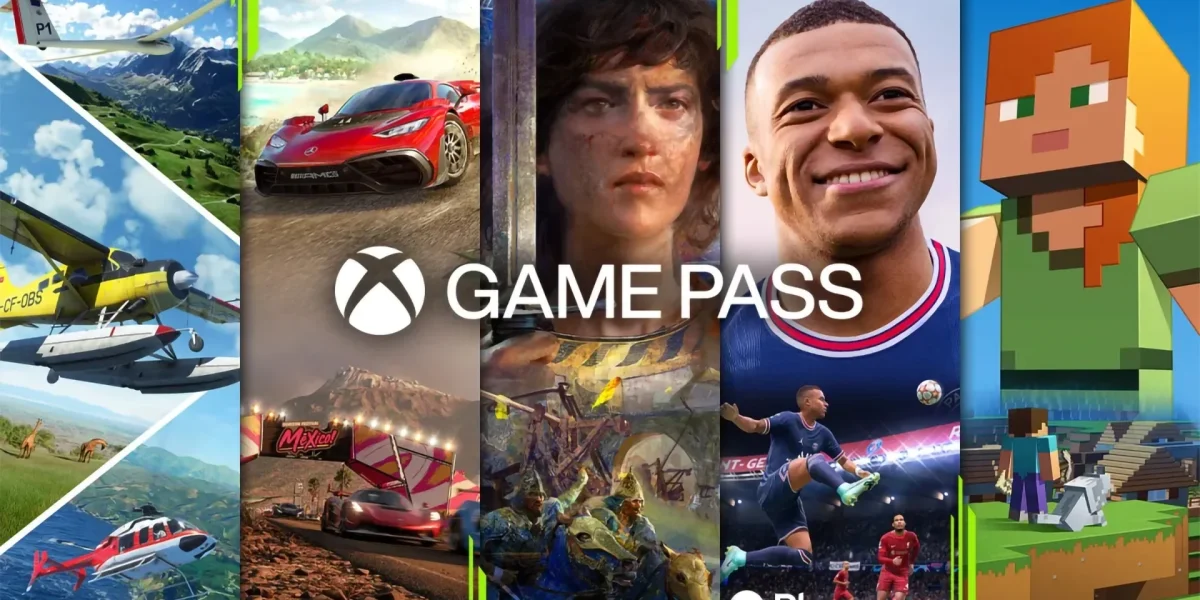
The visionary behind Xbox’s celebrated Ori series has taken a sharp stance against Microsoft’s Game Pass approach, arguing that the subscription model could have achieved greater triumph if the company had not encouraged studios to churn out subpar titles at a rapid pace.
Game Pass has once again found itself in the spotlight this week, following reports that Microsoft is poised to enact sweeping reductions across its gaming division, potentially shuttering at least three studios—Double Fine, Compulsion, and Ninja Theory—acquired during Xbox’s aggressive subscription expansion.
The most recent subscriber count for Game Pass stood at 34 million, a figure released in February 2024. Yet recent data suggests that growth has stalled, with Xbox confirming that a price increase last year resulted in the loss of “millions of subscribers” within just a few months.
Thomas Mahler, CEO of Moon Studios and the director of both Ori titles, took to X to express his belief that Game Pass’s limited success stems from Xbox’s failure to deliver enough blockbuster hits.
In a recent exchange with 3D Realms founder George Broussard, who had raised concerns that Microsoft’s aggressive studio acquisitions were merely a ploy to bolster its Game Pass lineup, industry veteran James Mahler offered a candid critique.
Mahler argued that the Game Pass model could have succeeded if subscribers had actually engaged with the service. “The core issue is that users simply didn’t show up, and the library wasn’t compelling enough to justify a monthly fee,” he wrote. “It’s like streaming in the film world: I happily pay for HBO because it delivers the content I crave—Sopranos, The Wire, Game of Thrones—so I keep my subscription. But with games, the allure of something new is paramount. If the fresh titles fail to live up to the legacy hits, the entire proposition collapses.”
Mahler’s remarks highlight the delicate balance between building a diverse catalog and maintaining the high standards players expect from a premium subscription service.
Moon Studios’ chief executive expressed a growing frustration with Microsoft’s first‑party lineup, arguing that the company’s studios are expected to churn out blockbuster titles that resonate with a wide audience, yet “the big Xbox hit of recent years that was truly delightful? It simply doesn’t exist.”
He went on to criticize the performance of nearly every major first‑party studio, noting that fans had long expected a “Skyrim in Space” from Bethesda—an upgrade over the original—and instead received Starfield, a game that fell short of that promise.
According to Mahler, the core problem lies in Microsoft’s lack of deep, fundamental insight into what gamers actually want. “You need to know what makes a game great versus mediocre, and then forge strong partnerships with developers so they’re motivated to create massive hits rather than churn out mediocre content like a factory,” he said.
Mahler also likened Game Pass to “a little like Communism,” criticizing the subscription model for failing to provide developers with a compelling incentive to go the extra mile.
In the ever‑shifting landscape of game publishing, Microsoft has carved out a notable position. According to Metacritic’s annual publisher rankings, the tech giant secured the fifth spot in 2025 based on aggregated review scores. The previous year, Bethesda slipped to eighth place, while Microsoft’s presence in the top ten was absent in both 2023 and 2022. Remarkably, 2021 marked a high point for the company, as it captured the top position—thanks in large part to the critical and commercial successes of Forza Horizon 5, Psychonauts 2, and Microsoft Flight Simulator.
When it comes to monetization, the industry’s guiding principle is clear: deliver exceptional quality, and players will willingly invest. If the experience falls short, the entire model collapses, as consumers will only pay if they feel compelled by genuinely outstanding content that makes them fear missing out.
❓ Frequently Asked Questions (FAQ)
Why does the Ori director criticize Microsoft’s Game Pass strategy?
The Ori director argues that Game Pass would have been more successful if Microsoft had not pushed studios to release a high volume of mediocre titles quickly, which he believes diluted the quality and appeal of the subscription service.
What recent changes in Microsoft’s gaming division could affect Game Pass?
Microsoft is reportedly planning to close at least three studios—Double Fine, Compulsion, and Ninja Theory—acquired during its aggressive subscription expansion, signaling a shift away from a volume‑first model toward cost containment and potentially higher quality content.
How has Game Pass subscriber growth been impacted by recent pricing changes?
After a price increase last year, Xbox reported losing “millions of subscribers” within a few months, and the most recent subscriber count of 34 million suggests that growth has stalled, highlighting the challenges of maintaining a large, engaged subscriber base.
News Source: VGC






Comments
Be the first to comment.