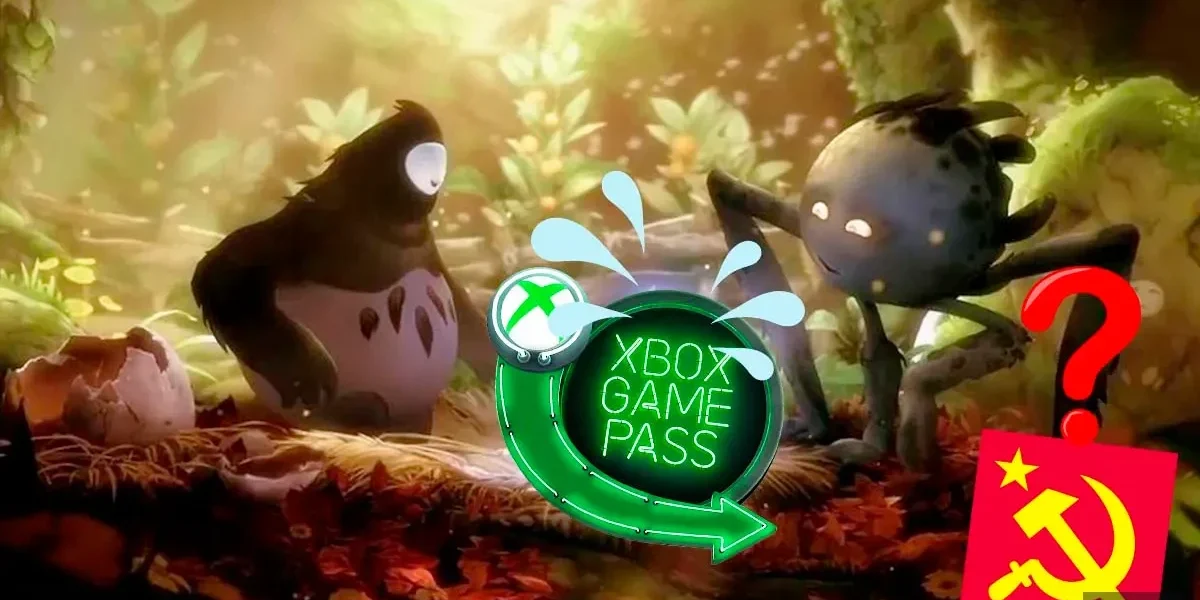
Xbox has occupied the spotlight for several days, following a series of business moves that have left the community and industry insiders uncertain about its true trajectory.
Even after unveiling a promising lineup at its latest public showcase, the platform has been eclipsed by swirling rumors of massive layoffs and the possible shuttering of beloved studios such as Ninja Theory and Double Fine.
These doubts have prompted Microsoft’s gaming division to face scrutiny over a perceived lack of a clear long‑term strategy, with key industry figures accusing its flagship service, Xbox Game Pass, of failing to sustain consumer interest and lacking the incentives for creators to pursue excellence over mass production.
The apparent lack of direction has spurred respected voices in game design to speak out, including Thomas Mahler, the creative mind behind Ori and head of Moon Studios, who used social media to deliver a scathing critique of Game Pass’s business model, asserting that “the Game Pass strategy could have succeeded if people had responded,” implying that the current catalog has not been compelling enough to retain users month after month.
Mahler argues that a subscription service can only thrive if it delivers cultural touchstones—mass‑appeal titles that become must‑play events. He bluntly points out that, in recent years, Xbox has yet to produce a game that truly delights the masses.
Delving deeper, Mahler scrutinizes the output of studios the company has recently absorbed. He notes that many of these internal teams have struggled to meet lofty market expectations, citing Bethesda’s Starfield as a case in point—an ambitious sequel that fell short of the promise to outdo the original Skyrim. He stresses that the tech giant must forge robust partnerships with developers to inspire the creation of blockbuster titles rather than a stream of uninspired releases.
Mahler also likened the subscription model to a political system, describing it as “a bit like communism.” He warned that without a strong incentive for users to join, the entire structure would collapse—a claim that echoes industry analysts who report that the platform lost millions of users following its recent price increase.
Even amid this grim assessment and the long‑standing challenges of its internal catalog, a PC Gamer article quoting Mahler recognizes that the service has effectively partnered with external developers to bring joy to its subscribers. Players have enjoyed eagerly awaited titles from launch, many of which received nominations for the industry’s top awards.
Among the lineup are standout projects such as Hades 2, Hollow Knight: Silksong, Expedition 33, and the later addition of Kingdom Come: Deliverance 2, underscoring that the catalogue indeed contains precious gems for consumers.
However, the core dilemma remains: most of these titles are also available on rival consoles, meaning they lack the compelling reason to force users into a costly monthly subscription.
In closing, many argue that while the recent triumph of Forza Horizon 6 shattered every franchise record—highlighting the brand’s immense potential—a single temporary exclusive launch does not appear sufficient to alter a company that now demands massive returns to justify its colossal investment.
❓ Frequently Asked Questions (FAQ)
What was Thomas Mahler's main criticism of Xbox Game Pass in his recent statement?
Thomas Mahler, the creator of Ori and head of Moon Studios, slammed Xbox Game Pass as a "mediocre factory" that prioritizes quantity over quality. He argued that the subscription model fails to incentivize developers to produce high‑quality, compelling games, and that the current catalog lacks the depth needed to keep users engaged month after month.
Why are studios like Ninja Theory and Double Fine being discussed in relation to Microsoft's strategy?
Rumors of possible layoffs or closures of studios such as Ninja Theory and Double Fine suggest that Microsoft may be shifting its investment focus away from indie and mid‑tier developers. This potential pivot could reshape the broader gaming ecosystem and force subscription services to rethink how they support and reward creative excellence.
How might the criticism of Xbox Game Pass affect its future strategy and user retention?
If the concerns raised by industry voices like Mahler gain traction, Microsoft may need to reassess its Game Pass content strategy, possibly curating a more selective library, offering higher‑quality exclusives, or adjusting pricing and incentives. Such changes could improve user retention by ensuring that subscribers consistently encounter compelling, well‑crafted titles rather than a mass‑produced catalog that fails to sustain long‑term interest.
News Source: Tarreo






Comments
Be the first to comment.