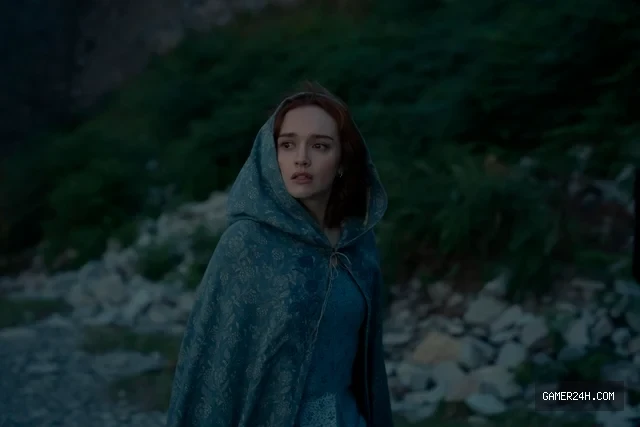
I had long believed the era of gratuitous sexual violence in television had passed, especially after the widespread criticism of the original Game of Thrones for its numerous depictions of assault. Consequently, I expected House of the Dragon, the prequel set over a century before the original series, to adopt a more responsible approach. Yet the most recent episode has proven otherwise.
In this episode, Alicent Hightower, the Dowager Queen, attempts to flee the capital with her daughter and granddaughter. She is intercepted by a council member who confronts her about a clandestine affair with a member of the Kingsguard. The confrontation escalates into a violent clash, but Alicent is rescued just in time.
Witnessing this as a woman and a survivor was infuriating. I thought we had moved beyond such content. Even after the physical assault was halted, the show delivered a chilling final moment: though the palace guards had apprehended the attacker, he tried to coerce the rescuers into believing that Alicent deserved the violence. The scene evoked the unsettling conclusion of Get Out, where the threat persists even as the police arrive.
Fortunately, the attacker was ultimately stopped, but the scene left a bitter aftertaste. The original Game of Thrones suffered from similar issues, with prominent female characters like Cersei Lannister, Sansa Stark, and Daenerys Targaryen enduring on‑screen assaults, alongside numerous incidental attacks on background characters. This prevalence sparked extensive commentary and backlash within the fandom.
The frustration stems from the fact that the event delivers a flat “no” to every angle the audience might hope to explore. The assailant plays no meaningful role in the story, and the assault does not advance Alicent’s arc—she has already been stripped of agency by the machinations of men long before this moment. Worse still, the scene is a fabrication, not drawn from the original material, and appears to be a deliberate nod to the show’s legacy of inserting gratuitous violence as if it were a seasoning.
❓ Frequently Asked Questions (FAQ)
Why does House of the Dragon continue to depict sexual violence despite past criticism?
The producers argue that the scenes are integral to the story's political intrigue and character development, but many viewers feel this approach normalizes violence against women.
How might these graphic scenes influence audience expectations for future fantasy series?
By repeatedly showing such content, viewers may come to expect or tolerate similar violence in other shows, potentially lowering the bar for what is considered acceptable depiction of assault.
What actions can fans take if they are uncomfortable with the portrayal of sexual violence in the series?
Fans can voice their concerns on social media, participate in petitions, or contact the network to request clearer content warnings and more responsible storytelling.
News Source: Kotaku






Comments
Be the first to comment.