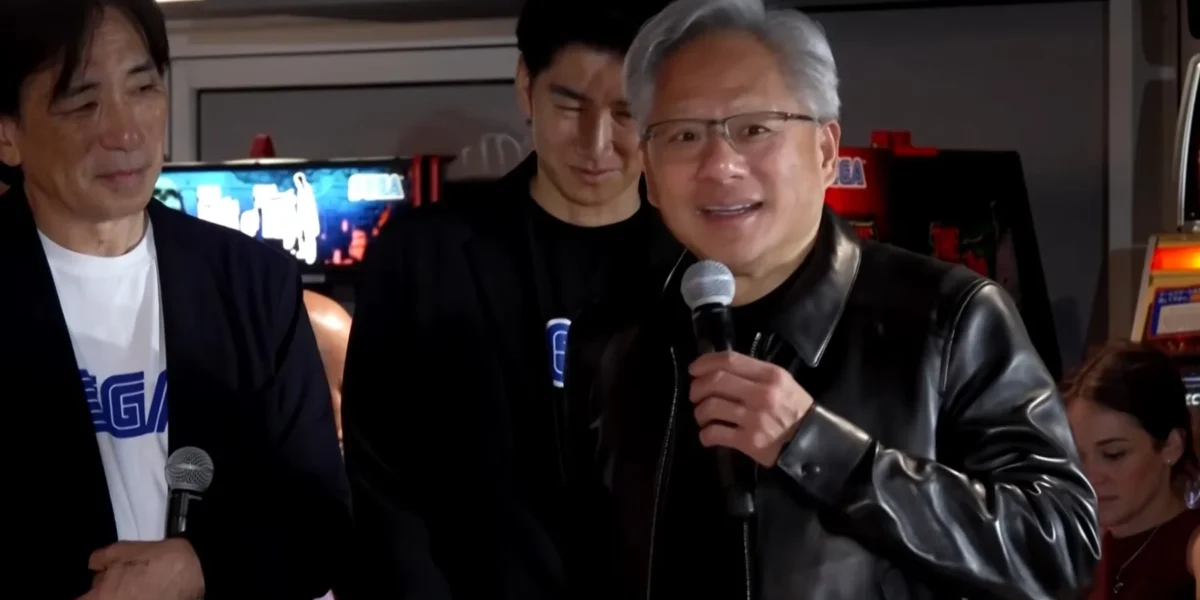
Nvidia’s chief executive, Jensen Huang, stepped into a Tokyo arcade alongside Sega’s former president to honor a partnership that proved decisive for the graphics‑chip titan’s rise. The event underscored how the AI‑driven hardware race is inflating console prices, a trend that could reshape the very industry Sega relies on to stay afloat.
During the visit, Huang reflected on the pivotal role Sega and its former president, Shoichiro Irimajiri, played in Nvidia’s survival, saying, “If not for what Sega did for Nvidia and what I Irimajiri-san did for Nvidia, Nvidia would not be here today.” He added, “To imagine that in 1995, Nvidia was nearly out of business, that we had chosen exactly the wrong technology, and that we will be here today, the largest company in the world, is unimaginable.”
In the mid‑1990s, Nvidia’s early graphics solutions were sidelined when Microsoft announced DirectX would not support them, and the company failed to secure a contract to produce processors for Sega’s Dreamcast. Yet, despite this rejection, Irimajiri invested $5 million in the fledgling startup—a gamble that ultimately saved Nvidia’s fortunes and paved the way for the GeForce 256 launch and later collaboration on Microsoft’s Xbox.
Reports indicate Sega sold its Nvidia stake for $15 million, a figure that would have ballooned to over a trillion dollars if liquidated today. Huang expressed pride in the enduring partnership, stating, “I hope that everyone at Sega will be as proud as we are of the history of this collaboration between Nvidia and Sega that continues to this day. It is truly wonderful.”
After almost three decades, Nvidia has become a pivotal force in reshaping the gaming landscape, sparking an AI rivalry between competing large‑language‑model providers and data‑center titans like Microsoft and Google. Scaling this cutting‑edge technology demands a relentless stream of processors, which in turn rely on abundant memory. The unprecedented shortage of RAM is triggering a gradual but profound shift across the industry, as console manufacturers and PC component vendors grapple with soaring prices.
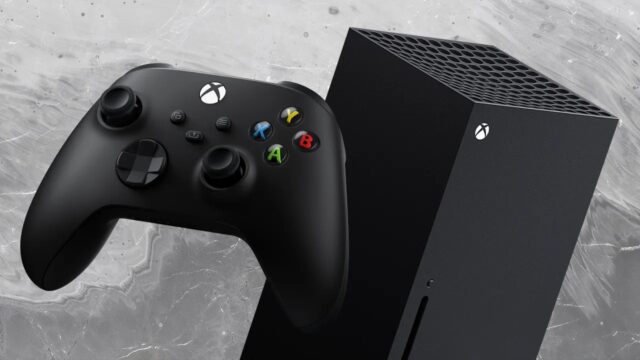
As memory prices double, leading console makers such as Nintendo and Microsoft feel the pressure. Nintendo has trimmed its shipment forecasts for the current year, while Xbox leadership has publicly voiced concerns about the challenge of delivering next‑generation consoles that remain affordable for consumers. Sega has exited the console market altogether; the Dreamcast, once Nvidia’s last bid, was the Sonic publisher’s final console. Yet the company remains deeply entwined with the broader gaming ecosystem, making its future trajectory increasingly uncertain over the next five years.
❓ Frequently Asked Questions (FAQ)
What was the $5 million bet that Sega made with Nvidia in 1995?
In 1995, Sega’s former president Shoichiro Irimajiri invested $5 million in Nvidia, a fledgling graphics‑chip startup that was struggling after being rejected by Microsoft’s DirectX and failing to secure a contract for the Dreamcast. This investment provided Nvidia with the capital and confidence to survive and eventually grow into the world’s largest GPU company.
How did the partnership with Sega help Nvidia survive its early struggles?
The partnership gave Nvidia a crucial financial lifeline and a validation of its technology. With Sega’s backing, Nvidia could continue developing GPUs, refine its products, and build relationships with other console makers. This support helped Nvidia pivot away from the wrong technology choices, avoid bankruptcy, and establish a strong foundation for future growth.
What impact does the current AI‑driven hardware race have on console prices and the gaming industry?
AI‑enhanced GPUs are driving up the cost of next‑generation gaming hardware, leading to higher console prices. This inflation pressures companies like Sega, which rely on affordable hardware to stay competitive. Long‑standing collaborations, such as the one between Nvidia and Sega, can help firms navigate supply‑chain volatility, share development costs, and maintain a competitive edge in this rapidly evolving market.
News Source: Kotaku





Comments
Be the first to comment.