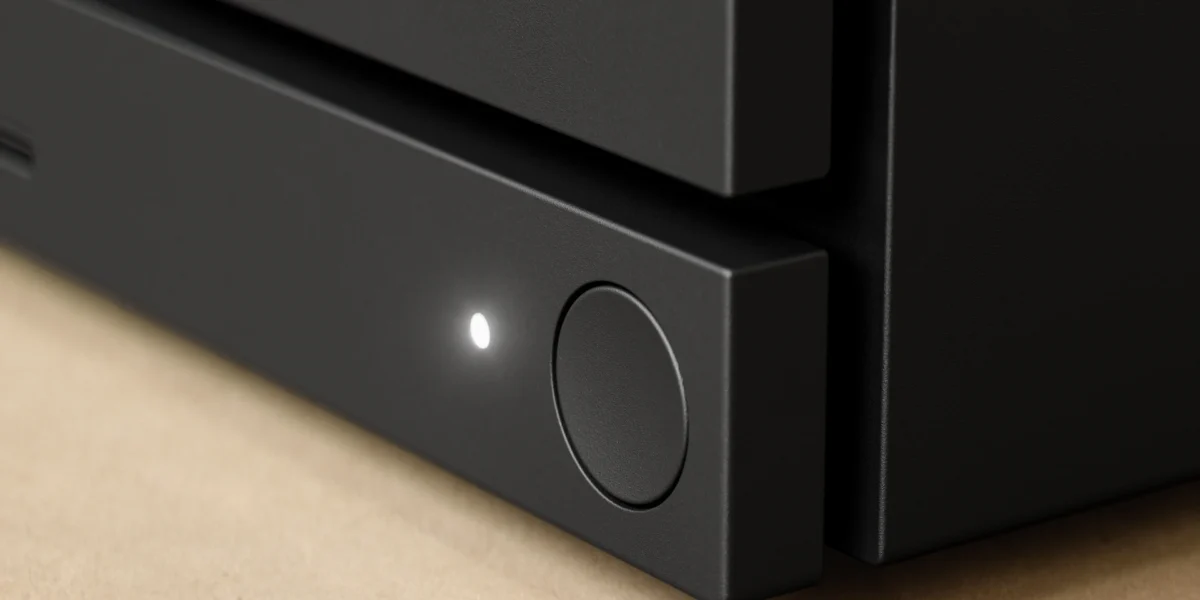
Industry experts are weighing in on the Steam Machine’s pricing, assessing its potential ripple effects on the cost of forthcoming next‑generation consoles.
This week, Valve revealed that its new Steam Machine—a sleek, TV‑ready PC gaming rig—will retail at $1,049 for the 500‑GB version and $1,349 for the 2‑TB variant.
Valve admitted that the price exceeds their initial target, citing the elevated cost of components locked in over the last six months. This upward trend in hardware expenses has prompted Sony, Microsoft, and Nintendo to lift their own console price points, and analysts predict that the forthcoming PlayStation 6 and Xbox Project Helix will launch at premium prices surpassing all previous Sony and Microsoft offerings.
Industry experts remain divided over whether Sony or Microsoft will push the price of their next‑generation console past the $1,000 mark.
In an interview with GamesIndustry.biz, Joost van Dreunen, CEO of Aldora, expressed confidence that the price ceiling would rise, cautioning that the next console could be delayed until 2028 and that a price above $1,000 would become the new baseline, even for current hardware.
Van Dreunen also highlighted that leading memory suppliers—Samsung, SK Hynix, and Micron—are now operating in a “post‑consumer” market, indicating that gamers are a lower priority and costs are rising. He cited a recent statement from Xbox chief executive Asha Sharma, who acknowledged that the forthcoming console will require a fresh business model and new hardware partners to reach the market, and warned that storage and memory expenses could soar fivefold by the 2027 holiday season compared to 2024.
Circana’s senior director Mat Piscatella told the outlet that while he remains uncertain about whether the PS6 or Xbox Project Helix will reach four‑digit pricing, he does not dismiss the possibility. “It will probably happen anyway,” he said, adding that the current component supply chaos and other uncertainties make the future highly unpredictable.
Newzoo’s market intelligence director, Manu Rosier, argues that even if premium console variants exceed the $1,000 mark, a three‑digit base model will persist—likely capped at $999—to leverage the psychological impact of a lower price point.
Rosier points out that the PS5 Pro is already priced at $899 following two price adjustments within a single year, underscoring how close the next‑generation base models are to breaking the $1,000 threshold.
He adds that the premium tiers are a separate matter altogether. Component costs lie beyond the manufacturers’ control, and there is no indication of an AI‑driven slowdown in demand for memory and storage. Consequently, the pricing of high‑end models remains largely dictated by supply‑chain realities.
Xbox CEO Asha Sharma has already confirmed that memory costs will influence the pricing and availability of Project Helix, signalling that even the flagship console may face cost‑driven constraints.
Finally, Piers Harding‑Rolls, head of games research at Ampere Analysis, suggests that next‑generation consoles could still launch below $1,000, citing Sony and Microsoft’s strong relationships with component suppliers and Valve’s need to secure margins on each Steam Machine sold.
Harding‑Rolls predicts that next‑generation consoles will carry a higher price tag, yet manufacturers can leverage a range of strategies to keep the final cost down for consumers.
He points out that Sony’s vast scale and deep-rooted supply‑chain relationships give it a clear advantage over competitors like Valve, allowing the company to tap into more stable component inventories and more favorable pricing as the launch window approaches.
With market volatility and other external pressures in play, the consensus is that the most realistic launch window for these new systems falls toward the end of 2028.
❓ Frequently Asked Questions (FAQ)
Will the upcoming PlayStation 6 and Xbox Project Helix be priced above $1,000?
Industry analysts predict that both Sony and Microsoft are likely to set their next‑generation console prices above the $1,000 mark, following the trend set by Valve’s Steam Machine and rising component costs.
Why did Valve decide to price the Steam Machine at $1,049 for the 500‑GB model?
Valve cited increased component costs over the past six months, which pushed the retail price above their initial target. The $1,049 price reflects the higher cost of parts, especially memory and storage.
How might the Steam Machine’s pricing affect consumer expectations for future gaming hardware?
The Steam Machine’s premium price signals a broader industry shift toward higher‑cost gaming rigs, suggesting that consumers may soon accept $1,000+ as a new baseline for next‑gen consoles and even current hardware.
News Source: VGC






Comments
Be the first to comment.