
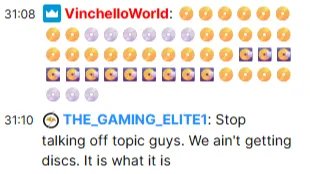
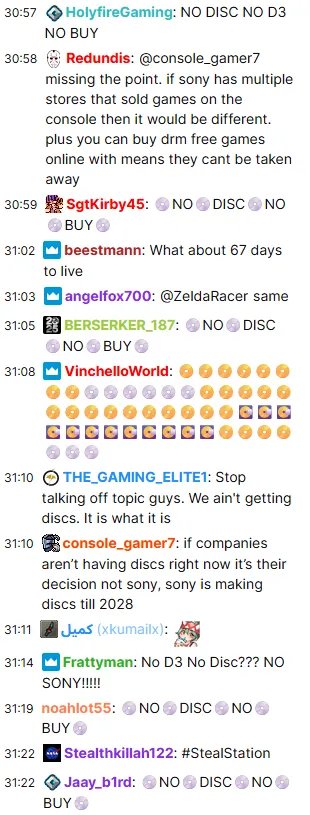
Sony’s recent State of Play livestream, intended to showcase upcoming games like the promising action title Phantom Blade Zero, was largely overshadowed by a vocal wave of “no disc, no buy” comments. The YouTube chat and Twitch streams were flooded with messages protesting Sony’s planned discontinuation of physical media for PlayStation consoles starting in 2028, highlighting the deep-seated concerns within the gaming community.
The Physical Media Uprising
This wasn’t a spontaneous reaction; fans had been vocal about this very fans had called out this first State of Play“>bağlantı since Sony initially announced its move. The backlash stems from fears about game preservation, ownership rights, and the potential for increased costs in the long run. One comment succinctly captured the sentiment: “Will buy when it’s available PHYSICALLY.” Another joked, “Wow! It may look great but it will look better on a disc! So make that happen and keep happening,” while another inquired, “Does Donnie Yen come on disc?”
Phantom Blade Zero, despite its own merits, became just another casualty in this ongoing battle between Sony and its loyal fanbase. Gamers have organized online petitions, swarmed PlayStation’s social media channels, and voiced their concerns to industry watchdogs. Even the UK’s Digital Entertainment and Retail Association (ERA) weighed in, calling Sony’s decision a “triumph of corporate convenience over consumer choice.”

The movement has even escalated into planned action. called on gamers to boycott PlayStation for a week in August“>bağlantı are urging gamers to participate in a one-week #PSBlackout in August, abstaining from logging in, playing games, or making purchases on any Sony platform. This call to arms, spearheaded by the Does it play? X / Twitter account“>bağlantı, has already garnered over 2 million views and is gaining significant traction.
While Phantom Blade Zero may have been briefly showcased during the State of Play Phantom Blade Zero Gameplay Deep Dive | State of Play“>bağlantı, its potential was largely lost amidst the noise. The question remains: will this collective action make a dent in Sony’s plans?
Last month, Sony finally broke its silence on its decision to discontinue PlayStation discs“>bağlantı attempted to downplay the impact of the backlash, claiming it wasn’t affecting their business and wouldn’t in the future. However, industry analysts remain skeptical that Sony will reverse course.
Sony justifies its move by citing consumer trends. Sid Shuman, Senior Director at Sony Interactive Entertainment, stated that new games would be released “on PlayStation Store and at retailers in digital formats only,” following what they perceive as a shift in consumer preference PlayStation Blog“>bağlantı.
Data supports this claim. Sony’s latest financials reveal an 82% digital download ratio for full game software across PS4 and PS5. Furthermore, Mat Piscatella of Circana recently said that just seven PlayStation video games had sold more than 100,000 physical units so far this year in the U.S.“>bağlantı, highlighting the growing dominance of digital distribution. Only two PlayStation titles have moved over 10,000 physical copies in the US during the week ending July 11.
Even companies like Rockstar, parent company of Take-Two, are embracing the digital future. Strauss Zelnick recently defended the company’s decision not to release GTA 6 on a physical disc“>bağlantı, arguing that discs “don’t really make sense for the consumer” when it comes to major releases.
While there have been instances of companies reversing controversial decisions in the face of public outcry, analysts believe analysts have told IGN“>bağlantı that Sony is unlikely to budge. For Sony, going all-digital maximizes profits from each sale, especially crucial given anticipated declines in console sales due to rising costs. A first-party game like The Last of Us yields only 65% of revenue when sold physically, with the rest going to retailers and manufacturing. Third-party games like Call of Duty generate a licensing fee, typically around 15%.
In contrast, digital sales offer significantly higher margins. Sony keeps 100% of revenue from first-party games sold through its PlayStation Store. For third-party titles, it retains a 30% cut (approximately $21 on a $70 game).
Therefore, until Sony changes its stance, games like Phantom Blade Zero will likely continue to be overshadowed by this ongoing debate. The future of physical media in gaming remains uncertain, and the battle between Sony and its loyal fanbase is far from over.
Source: IGN Gaming























Join the conversation