

As the cult-classic 1993 anime film Ninja Scroll prepares for a limited 4K theatrical re-release this October, its director Yoshiaki Kawajiri has opened up about why he hasn’t helmed a new movie in nearly two decades. The 75-year-old legend, whose pulpy, high-contrast art style defined a generation of genre anime, told IGN he can no longer direct due to his age and physical stamina, while explaining that his creative energy has shifted toward storyboarding for some of the industry’s most acclaimed modern series. The news arrives alongside a painstaking restoration of Ninja Scroll to 4K, which Iconic Events Releasing and AMC Global Media’s HDIVE are set to bring to select theaters across the United States and Canada.
Kawajiri is a towering figure in anime history, best known to fans for Ninja Scroll and Vampire Hunter D: Bloodlust, but also the creative force behind Goku: Midnight Eye, Wicked City, and Demon City Shinjuku. Yet for almost 20 years he has not taken the director’s chair on a feature. With the film’s 4K re-release landing in October, the question of why he hasn’t revived his signature look for a new project was one we felt compelled to ask directly.
His answer is, in many ways, a matter of honesty about the realities of aging in a demanding profession. “I am the type of person who cannot leave a work entirely in someone else’s hands, so at my age, and given my physical stamina, directing is no longer possible for me,” he explained. The demands of overseeing a full production—keeping every frame faithful to his exacting vision—would simply drain too much from a director who refuses to compromise his standards.
A Director Reborn as a Storyboard Artist
Far from retiring from the industry, Kawajiri has reinvented his role. He now lends his expertise as a storyboard artist, accumulating a remarkable list of credits on standout contemporary anime including Beastars, Frieren: Beyond Journey’s End, and Jujutsu Kaisen. For Kawajiri, the storyboard is not a mechanical task but a creative one, governed by a single rule: the work must genuinely interest him.
“I approach the script and storyboards with the understanding that the most important point is how to keep the audience interested. I cannot work on storyboards unless I find the work interesting. In other words, my curiosity is my greatest weapon. More recently, Frieren and Beastars were projects that I really enjoyed working on,” he said.
That curiosity-driven philosophy stands in contrast to the growing nostalgia debate that has swept through the anime community. A quick scroll through social media reveals countless fans lamenting the perceived decline in animation quality and yearning for the fluid, high-detail craftsmanship of older titles. Kawajiri, however, does not frame this sentiment as a longing for a bygone era.
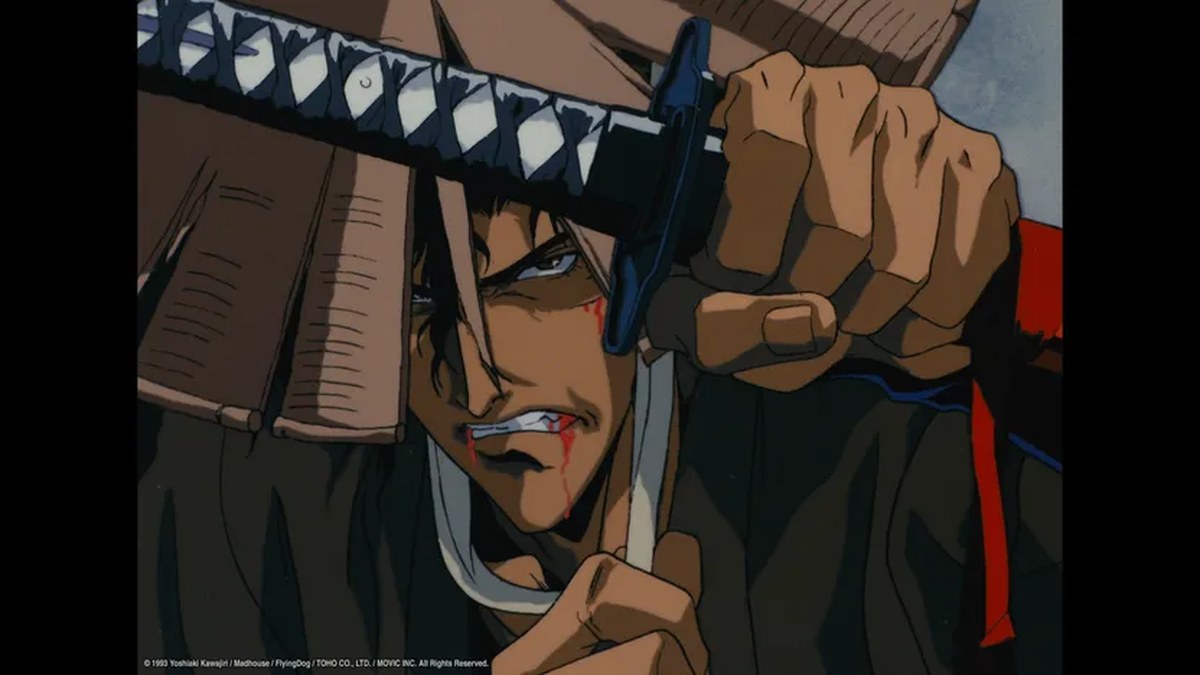
“I don’t think it is nostalgia. Truly excellent and entertaining works never lose their appeal, no matter how many years pass! And creators who make such works will certainly continue to emerge in the future.”
Yoshiaki Kawajiri
Instead, he points to a structural shift in the medium itself. In his view, the single most transformative development in anime was the emergence of original video animation in the 1980s, which expanded creative diversity and gave artists room to express their individuality. That foundation, he argues, is what allowed Japanese anime to evolve into the globally beloved content it is today.
“The history of Japanese manga and anime is unique, and that long history has produced countless outstanding works. I am very proud that those works are now being embraced around the world,” he added.
Restoring a Masterpiece to 4K
Ninja Scroll itself is getting a second life, and Kawajiri has personally supervised its restoration. The film, originally shot on analog cels three decades ago, underwent hours of meticulous work to remove scratches, dirt, and dust while preserving the original texture of the film grain and the richness of the hand-painted cels and background artwork.
“By focusing on reproducing the original beauty and richness of the cels and background artwork, without compromising the atmosphere of the work or the texture of the film grain, I believe the result has an even more powerful look and feel. However, since this was an analog production filmed 30 years ago, there is no doubt that the process of removing scratches, dirt, and dust from the cels was an extremely painstaking task for the staff,” he said.
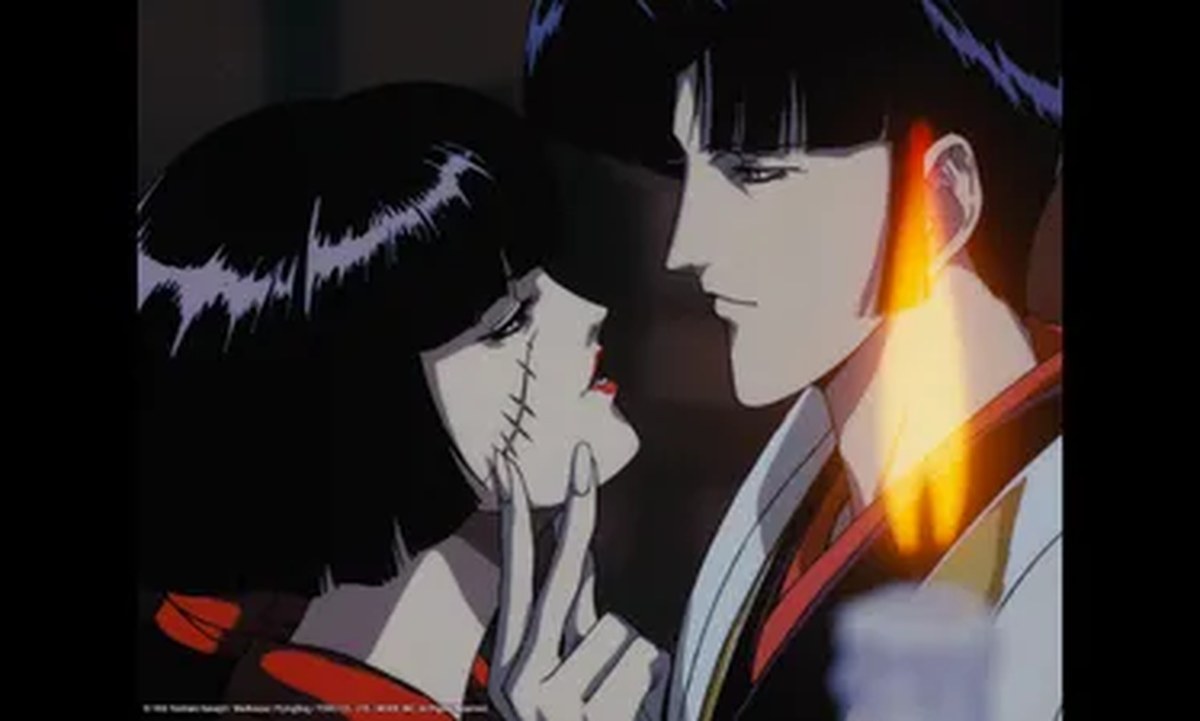
The director’s hopes for the re-release are clear. He wants longtime fans to savor the heightened visuals while giving newcomers a chance to experience the film afresh.
“I hope longtime fans will enjoy the even more powerful visuals brought to life by the 4K remaster, and I promise that those seeing it for the first time will say, ‘A great work is still great, even after 30 years!’ I hope you enjoy it! Thank you for loving Ninja Scroll!”
Looking Ahead
Ninja Scroll will return to theaters this fall for a limited run, with Iconic Events Releasing and AMC Global Media’s HDIVE handling the presentation across select venues in the United States and Canada. The film plays on October 4, 5, and 7, and tickets are available at participating theaters through the Iconic Releasing website.
For Kawajiri, the re-release is more than a commercial opportunity—it is a chance to reintroduce a work he considers a defining achievement of his career to a new generation of viewers. Whether audiences respond with renewed awe or simply quiet appreciation, one thing remains certain: after 30 years, Ninja Scroll is proving that a great work is still great.



1 comment
[…] Article: Ninja Scroll Director Yoshiaki Kawajiri on Why He’s Retired From Directing and the 4K Return o… Kaynak: IGN […]