

Motion Capture Evolution: High-Fidelity Performance Capture and Actor Recognition in Modern Gaming
Introduction: From Mechanical Tracking to Emotional Performance Capture
In the early days of 3D gaming, character performance was constrained by optical occlusion and rudimentary joint-based kinematics. Stunt doubles and gymnasts executed combat strikes in black suits dotted with retroreflective ping-pong balls, but the subtle, micro-expressive emotional nuances of facial muscles—the twitch of an eyelid, the quiver of a lip, the tension around the brow—remained firmly locked behind manual animator keyframing. Today, the video game industry has entered the era of full performance capture (pcap), where voice, body mechanics, and facial geometry are recorded concurrently on unified virtual soundstages.

This technical leap has elevated video game acting into a recognized performing art. Groundbreaking performances—such as Andy Serkis as Gollum, Christopher Judge as Kratos, and Roger Clark as Arthur Morgan—have sparked intense industry debate: When will motion and performance capture actors receive formal, mainstream recognition from major cinematic and theatrical award bodies like the Academy Awards?
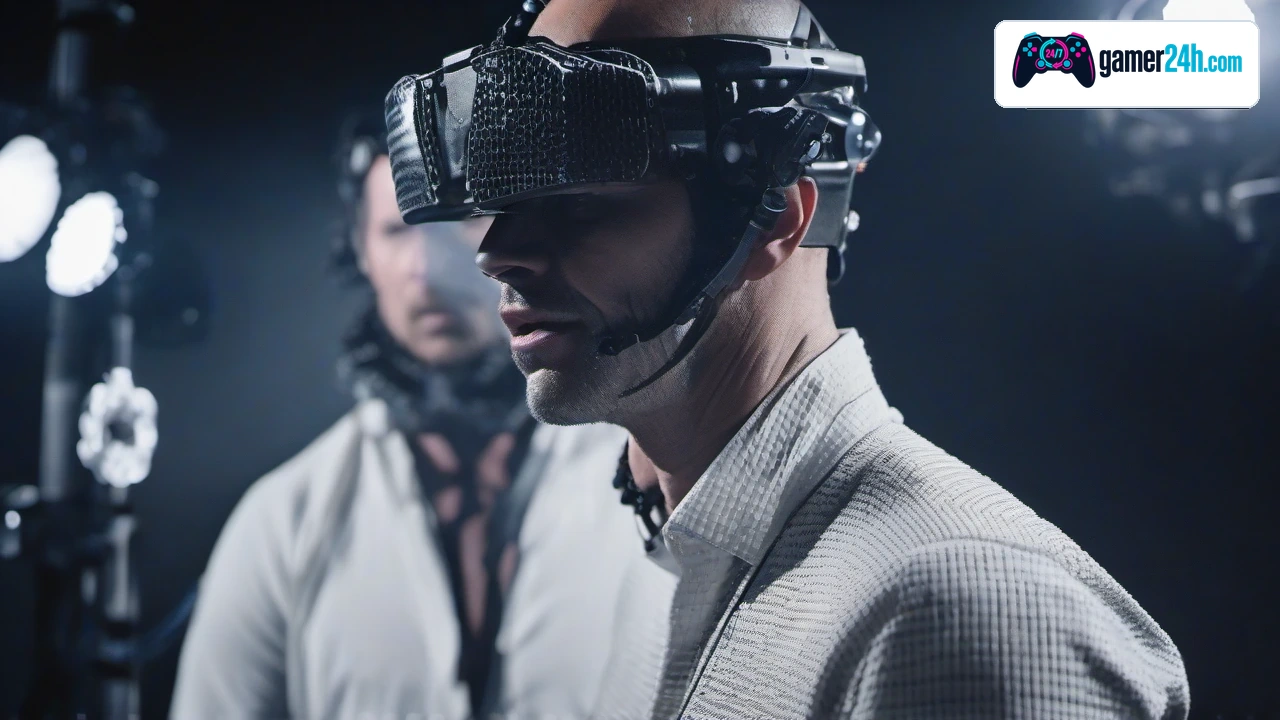
1. The Head-Mounted Camera Rig (HMC) and Stereoscopic Photogrammetry
The linchpin of modern digital performance is the Head-Mounted Camera (HMC) rig. Unlike historical setup architectures that relied on distant wall-mounted cameras to track body locomotion, an HMC affixes lightweight carbon-fiber boom arms directly to a custom-molded cranial helmet worn by the actor. Miniature, high-speed stereo cameras positioned inches from the actor’s face capture 60 to 120 frames per second under polarized infrared illumination, eliminating ambient shadow interference.
By leveraging calibrated stereo photogrammetry, algorithms calculate precise depth maps for dozens of discrete facial tracking markers painted onto the performer’s skin. This ensures that every millimeter of skin deformation is recorded in 3D coordinate space, regardless of how violently the performer sprints, tumbles, or dodges during high-intensity combat takes.
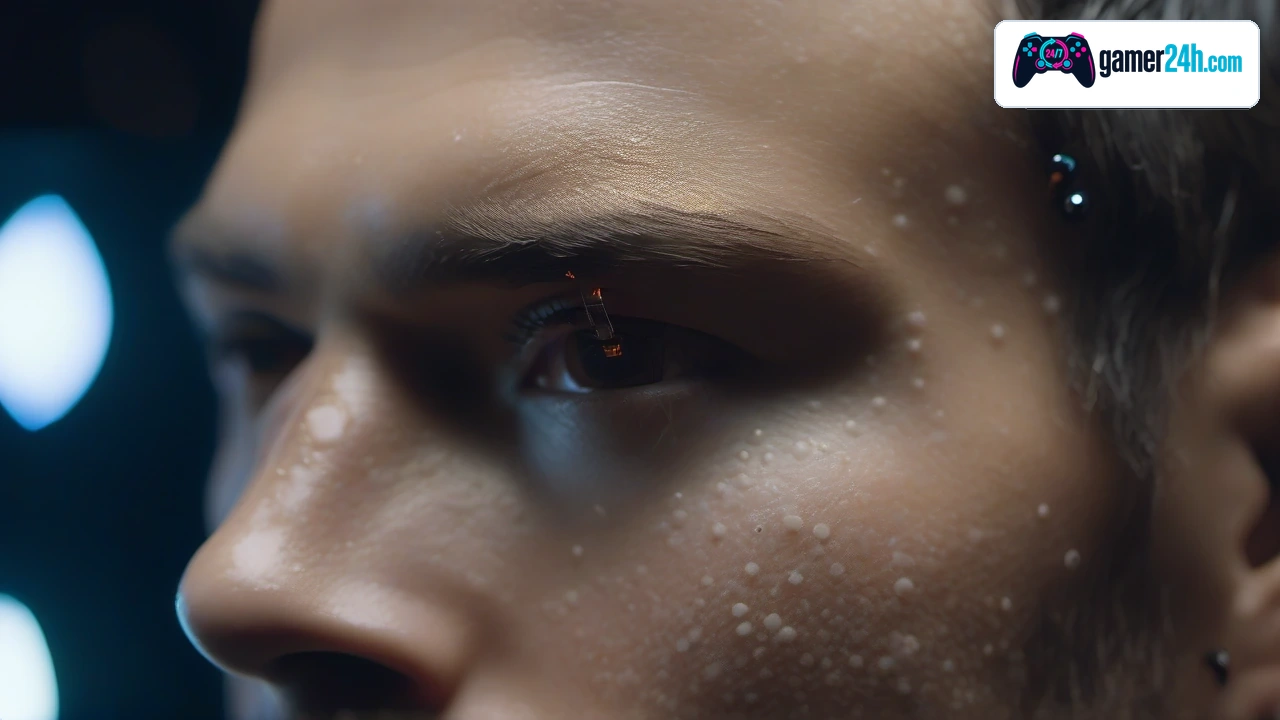
2. The Facial Action Coding System (FACS) and Blendshape Retargeting
Capturing raw 3D point clouds is only the initial phase. Translating an actor’s organic performance onto a stylized digital avatar—whether a mythical creature, a space marine, or a photorealistic human scan—requires mapping data onto a standardized anatomical framework known as the Facial Action Coding System (FACS).
Developed originally by psychologists Paul Ekman and Wallace V. Friesen, FACS categorizes facial movements based on individual muscle activations (Action Units, or AUs). In modern game pipelines:
- Target Blendshape Libraries: Technical character artists sculpt dozens of localized FACS blendshape targets for the digital character (e.g., AU1: Inner Brow Raiser, AU12: Lip Corner Puller, AU26: Jaw Drop).
- Neural Retargeting Solvers: Machine-learning algorithms continuously analyze the incoming marker vectors from the HMC and decompose the physical deformation into weighted blendshape coefficients in real time.
- Secondary Dynamics: Wrinkle maps, blood perfusion shaders, and procedural soft-tissue physics (such as jowl wobble or skin sliding over bone) are triggered automatically according to the computed muscle activation values.
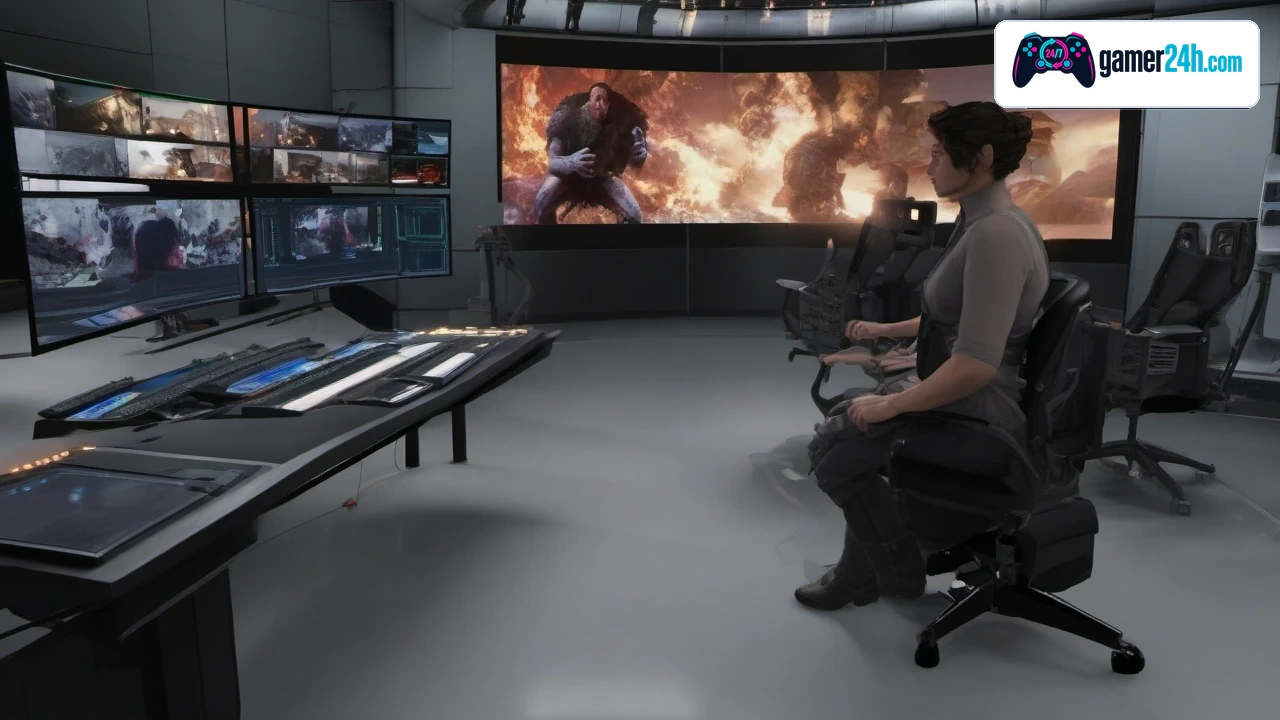
3. The Technical Artistry Debate: Why Industry Recognition Is Overdue
For decades, major award committees hesitated to nominate performance capture actors, arguing that animators and digital VFX teams “do the majority of the acting” after the capture shoot wraps. However, contemporary production pipelines disprove this misconception. Today’s high-fidelity solvers preserve raw timing, vocal cadence, breathing patterns, and subtle emotional beats directly from the actor’s physical delivery.
Animators serve as digital cinematographers and hair-and-makeup artists, ensuring that lighting, eye caustic refraction, and wardrobe simulation match the engine’s rendering context. The soul of the scene—the vulnerability, the grief, the comedic timing, and the physical weight—originates entirely on the soundstage floor.
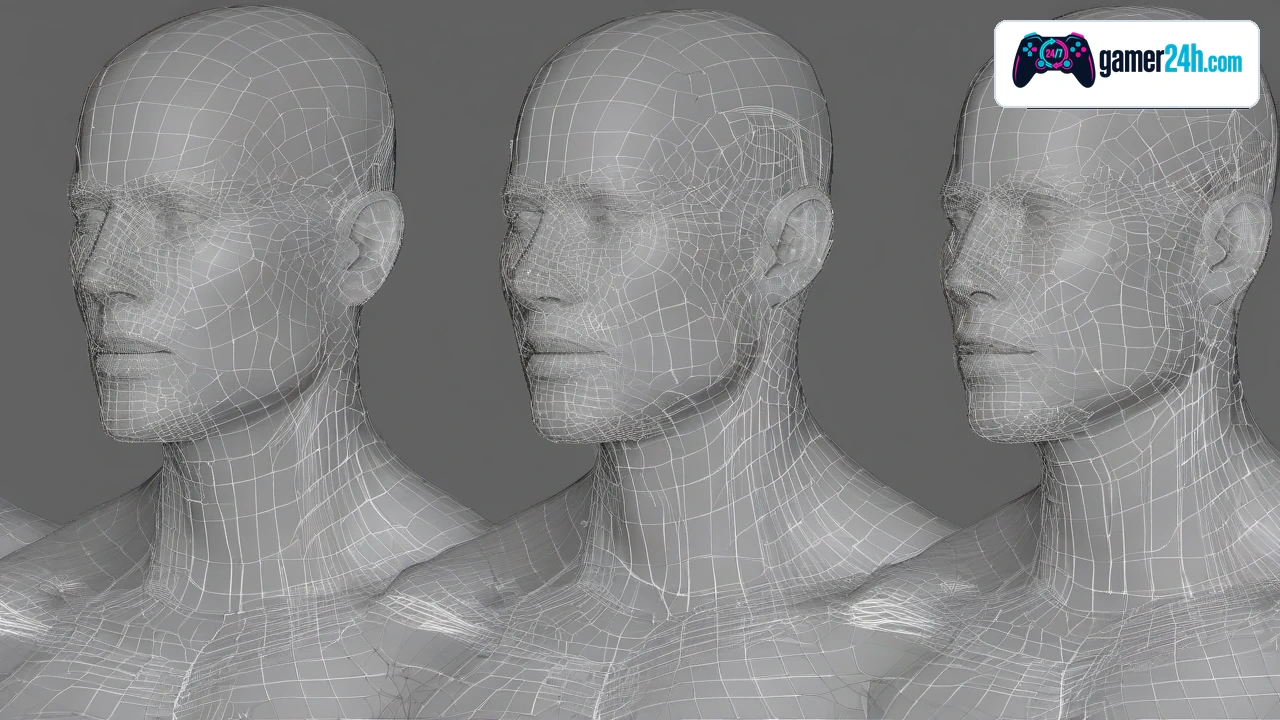
Conclusion: The Convergence of Interactive and Cinematic Performance
As virtual production technologies like Unreal Engine Metahuman Animator and markerless machine-vision capture mature, the barrier between Hollywood cinematic stages and AAA video game soundstages is completely evaporating. The performance capture stage is no longer merely a stunt playground; it is the premiere digital theater of the 21st century, deserving full parity and prestige alongside traditional on-camera acting.























Приєднуйтесь до розмови