

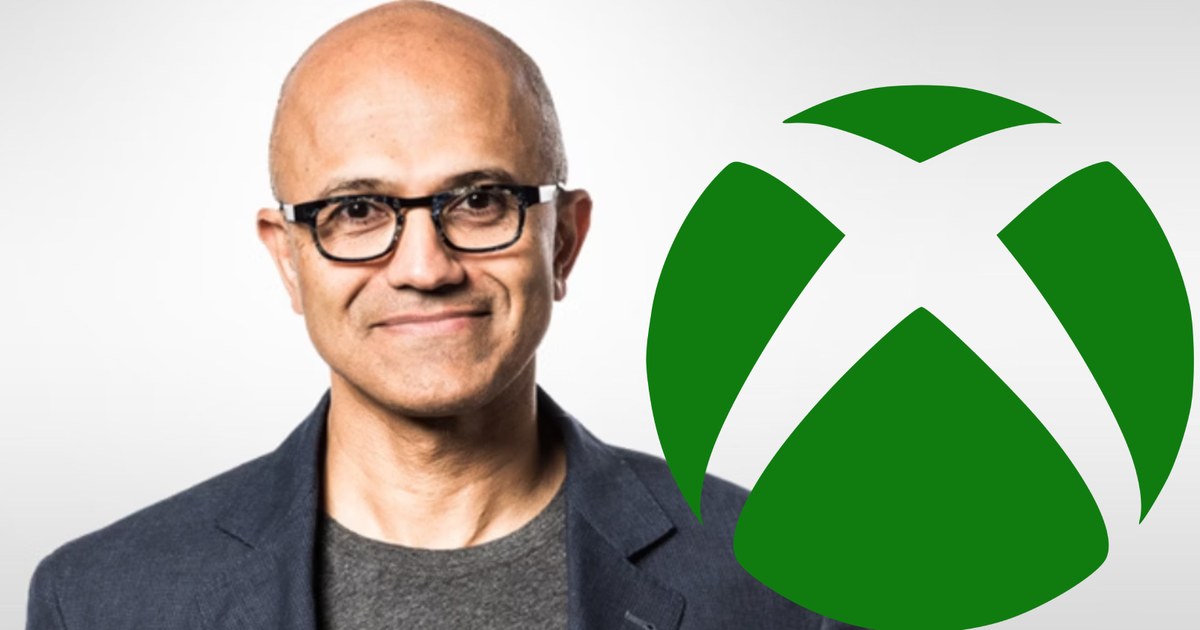
Microsoft CEO Satya Nadella has publicly praised Xbox’s ongoing “streamlining” under Xbox boss Asha Sharma, describing the restructuring as “great to see” just days after another round of layoffs struck the division. Speaking on the Sources podcast with Alex Heath, Nadella was pressed on the state of the brand and its future, responding with what he called a “fantastic” outlook. The comments arrive at a turbulent moment for the gaming arm, as the company navigates a sweeping reorganisation of its studio portfolio and a fresh wave of job cuts that have left longtime fans and industry observers alike grappling with the scale of the changes.
According to the exchange, transcribed by IG, Nadella framed the cuts not as a defeat but as a necessary step toward a more sustainable future for the platform. “I feel fantastic about the IP we have right now,” he said. “If I look at the studios, the IP portfolio we have, and our ability to then take that and produce great games going forward – I feel fantastic. There’s some amount of streamlining the team is doing, and Asha is doing, which is great to see.”
The remarks were made against a backdrop of significant internal upheaval. Nadella’s optimism followed rumours of more imminent job cuts at Xbox that were subsequently confirmed as another 268 layoffs, alongside what appears to be the impending closure of British studio Ninja Theory. The restructuring has also reshuffled the internal hierarchy, with Obsidian moving under Bethesda’s control, Playground and Turn 10 merging, Undead Labs going independent, and Rare, World’s Edge, and Halo shifting under Activision’s control. The fallout has been uneven across the ecosystem, as Undead Labs has also suffered major layoffs as a result, as well as Age of Empires and Mythology developer World’s Edge.
A Vision of Growth and Consolidation
Beyond the immediate personnel shake-ups, Nadella laid out a broader strategic rationale for the changes. He emphasised that the goal is to build a sustainable business model capable of reaching a wider audience while maintaining Xbox’s identity as a leading publisher and platform provider. “We have to invent the right sustainable business model that allows us to deliver gaming to more and more people,” he explained. “That has always been the goal, which is we want to be a great publisher and a great platform provider for games across both PCs and Xboxes.”
He pointed to a plan for renewed expansion in the coming period. “So that is sort of our goal, and I think Asha and the team have said that Xbox is going to get back to growth this next fiscal year, and that’s the plan they’re executing on, and in that process, do a bang-up job of producing some great games.”
“There’s some amount of streamlining the team is doing, and Asha is doing, which is great to see.”
Satya Nadella, Microsoft CEO
The tone of Nadella’s remarks may read as reassuring to some, but the reality on the ground remains stark. The consolidation of studios under larger labels and the departure of others toward independence signal a fundamental shift in how Microsoft structures its creative output. For developers and employees caught in the crossfire, the promise of “great games going forward” sits in tension with the immediate uncertainty of shrinking teams and reorganised leadership.
Looking Ahead
The current round of layoffs builds directly on a much larger restructuring announced in July, when Xbox CEO Asha Sharma announced job cuts affecting 3,200 employees as part of what she described as the “most significant” restructuring the company had ever undertaken. Of those, 1,600 were effective immediately, while certain first-party studios, including Double Fine and Compulsion Games, were granted the opportunity to go independent again.
As Xbox charts its course toward the promised fiscal-year growth, the industry will be watching closely to see whether the streamlined portfolio can deliver on Nadella’s optimism. The coming months will reveal whether consolidation translates into stronger, more focused game output or simply marks the beginning of a longer period of adjustment for the studios and staff affected by the ongoing transformation.



1 comment