


DirectX: Architectural Evolution, Rendering Mechanics, and the Incremental Refinement of the DX 10.1 Specification
Introduction
DirectX represents one of the most consequential graphics and multimedia abstraction layers in the history of personal computing. Originating as Microsoft’s unified API for direct hardware access, DirectX has served as the foundational interface through which operating systems expose rendering pipelines, input systems, and media acceleration to application developers. This study examines the conceptual foundations of the DirectX architecture, with particular analytical focus on the DX 10.1 specification, which introduced a paradigm of mandatory image-quality enforcement that distinguished it from its predecessor. By analyzing the specification’s technical mechanics, competitive implications, and architectural design decisions, this paper provides a rigorous examination of how incremental standardization shapes the trajectory of real-time graphics rendering.

Conceptual Foundations of the DirectX Architecture
The Abstraction Layer and Direct Hardware Access
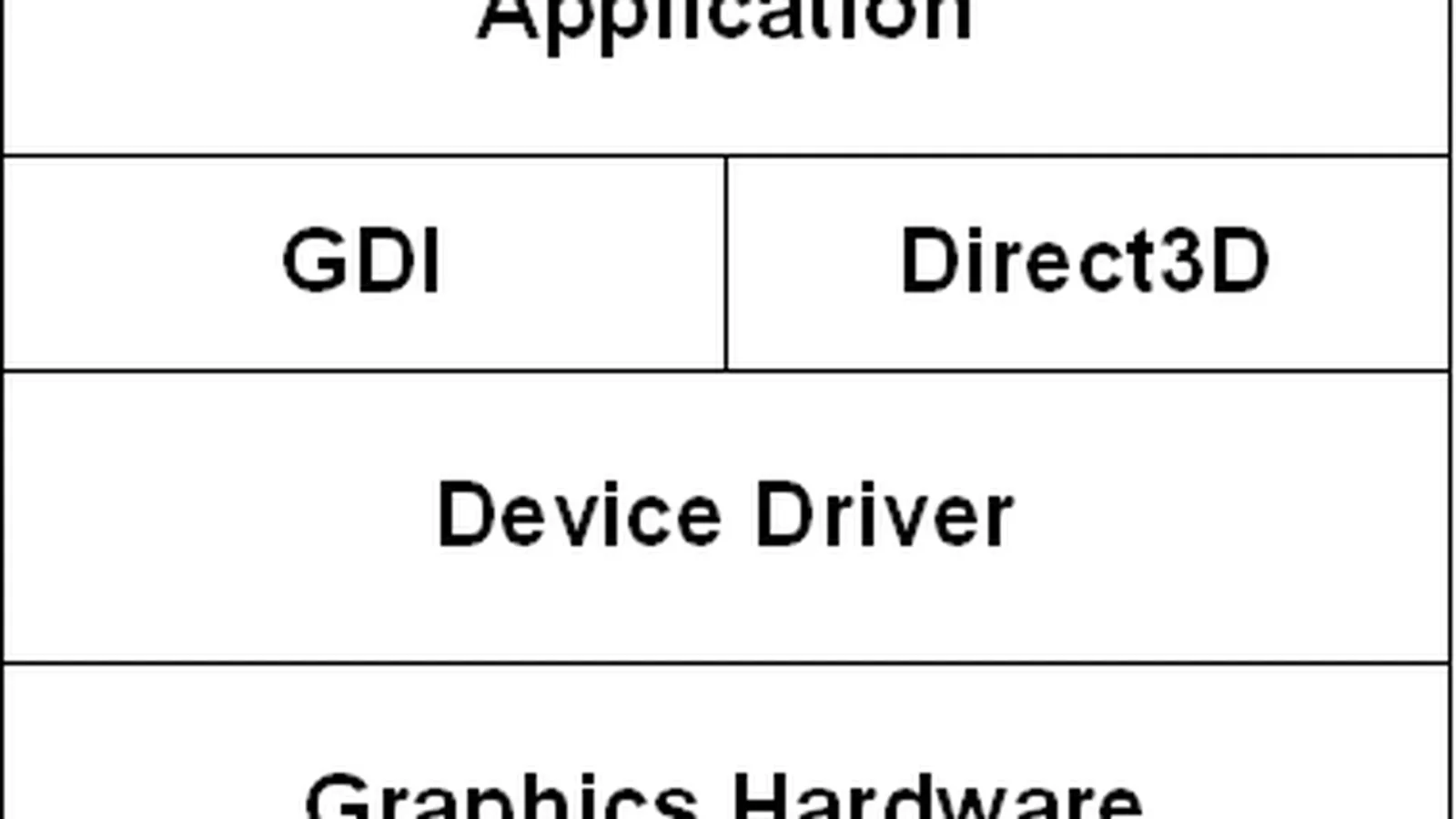
At its conceptual core, DirectX functions as an abstraction layer that decouples application logic from underlying hardware implementation. The architecture permits developers to issue rendering commands that are subsequently translated by the operating system into device-specific instructions. This design philosophy, rooted in the principle of direct hardware access, eliminates the performance penalties associated with traditional software emulation of graphics operations.
The significance of this abstraction extends beyond mere performance optimization. By standardizing the interface between applications and hardware, DirectX established a common vocabulary through which diverse graphics processing units (GPUs) could be addressed uniformly. This standardization is critical for maintaining ecosystem coherence across the gaming and professional visualization industries.
The Evolution from DX 10 to DX 10.1
The transition from DirectX 10 to DirectX 10.1 represents a deliberate architectural refinement rather than a wholesale redesign. The specification’s primary objective was to deliver the “complete” DX 10 by elevating certain optional features to mandatory status. This approach reflects a maturation of the graphics API, wherein the specification authors recognized that developer adherence to established image-quality standards would yield more predictable and higher-fidelity rendering outcomes across the industry.
The distinction between optional and mandatory features is not merely administrative. It represents a strategic decision regarding specification enforcement, wherein the specification body determines which capabilities must be universally supported versus which may remain as vendor-specific extensions.
Technical Mechanics of the DX 10.1 Specification
Floating-Point Filtering Precision
One of the most significant technical changes in DX 10.1 concerns floating-point filtering precision. In the DX 10 specification, 32-bit floating-point filtering was an optional capability, with 16-bit floating-point filtering designated as the mandatory baseline. DX 10.1 reverses this hierarchy by making 32-bit floating-point filtering mandatory.
This change carries profound implications for rendering accuracy. The precision of floating-point representation directly influences the fidelity of texture filtering operations, which are fundamental to the sampling of texture data during the rendering pipeline. Higher precision reduces the occurrence of filtering artifacts and enables more accurate computation of texture coordinates, particularly in scenarios involving high-frequency texture detail.
Multisample Anti-Aliasing Standards
The DX 10.1 specification introduces mandatory 4x multisample anti-aliasing (MSAA) support, contrasting with the optional status of MSAA in the preceding specification. This requirement is accompanied by the mandate for two specific sample patterns, establishing a standardized approach to sample distribution across the pixel grid.
The technical significance of standardized sample patterns cannot be overstated. Anti-aliasing addresses the fundamental problem of aliasing, wherein high-frequency spatial detail manifests as visual artifacts such as jagged edges and moiré patterns. By enforcing a specific number of samples and their spatial arrangement, the specification ensures a consistent and predictable approach to edge smoothing across all compliant hardware.
Programmable Sample Masks and Depth Readback
Perhaps the most architecturally significant addition in DX 10.1 is the requirement for programmable shader output sample masks and multisample anti-aliasing depth readback. These features represent a substantial expansion of developer control over the rendering process.
The introduction of programmable sample masks allows developers to define precisely which samples contribute to a given output pixel, providing granular control over the anti-aliasing computation. This capability enables sophisticated techniques that balance visual quality against computational cost according to the specific requirements of each application.
The addition of multisample AA depth readback further enhances rendering flexibility by permitting the readback of depth information associated with individual samples. This capability supports advanced rendering techniques that require access to per-sample depth data, expanding the range of algorithms developers can implement.
Texture Addressing and Compression Operations
DX 10.1 also expands the specification’s support for texture indexing into cube maps and enables bitwise copies from uncompressed textures to block-compressed texture formats. These features address practical concerns regarding texture memory management and rendering flexibility.
The ability to perform bitwise compression operations directly within the shader pipeline represents an optimization strategy that reduces memory bandwidth requirements. By enabling developers to compress texture data on-the-fly, the specification facilitates more efficient use of the limited memory resources available in graphics hardware.
Architectural Insights and Design Philosophy
The Principle of Incremental Standardization
The DX 10.1 approach embodies a design philosophy centered on incremental standardization. Rather than pursuing disruptive architectural changes, the specification refined existing capabilities by enforcing compliance with established standards. This strategy reflects a recognition that the graphics industry benefits from evolutionary refinement, wherein each specification iteration builds upon and strengthens the foundations established by its predecessors.
This philosophy is particularly significant in the context of vendor compliance. By mandating specific capabilities, the specification ensures that all compliant hardware provides a consistent baseline of functionality, reducing the fragmentation that arises from divergent implementation approaches.
The Balance Between Flexibility and Consistency
A central tension in API design concerns the balance between developer flexibility and implementation consistency. DX 10.1 navigates this tension through a nuanced approach: it mandates core image-quality features while permitting hardware vendors to offer additional sample patterns beyond the required minimum.
This design decision acknowledges that different applications have varying requirements for visual fidelity and computational efficiency. By allowing hardware to exceed specification minimums while ensuring a consistent baseline, the specification accommodates both performance-conscious and quality-oriented applications within a unified framework.
The Role of Queryable Capabilities
The specification’s allowance for developers to query sample patterns within their shaders represents an important architectural feature. This capability enables applications to adapt their rendering strategies based on the actual capabilities of the underlying hardware, facilitating optimal performance across a diverse range of devices.
The query mechanism transforms the rendering pipeline into a self-describing system, wherein hardware capabilities are communicated to applications in a structured and accessible manner. This approach supports dynamic adaptation and maximizes the utilization of available hardware resources.
Competitive Implications and Industry Impact
Vendor Compliance and Market Dynamics
The enforcement of mandatory features in DX 10.1 carries significant implications for the competitive dynamics of the graphics hardware market. Compliance requirements establish a minimum capability threshold that all vendors must meet, influencing product development strategies and market positioning.
Vendors face a strategic decision regarding how to position their products relative to the specification baseline. Those targeting the mass market may optimize for cost efficiency, while those pursuing premium positioning may emphasize capabilities that exceed specification requirements. This dynamic creates a stratified market structure driven by both compliance and differentiation.
Desenvolvedor Control and Application Quality
The expansion of developer control over image quality represents a competitive advantage for the DX 10.1 ecosystem. By providing more sophisticated tools for image-quality management, the specification enables developers to create higher-fidelity applications that leverage the full capabilities of compliant hardware.
This enhancement of developer capabilities has implications for the broader gaming and visualization industries, where image quality serves as a critical differentiator. Applications developed against the DX 10.1 specification benefit from greater creative freedom and technical precision in rendering.
Ecosystem Coherence and Long-Term Viability
The standardization approach embodied in DX 10.1 contributes to the long-term viability of the DirectX ecosystem. By establishing clear compliance requirements and image-quality standards, the specification fosters an environment of predictable interoperability between applications and hardware.
This coherence is essential for maintaining developer interest and investment in the platform. As the specification evolves, the accumulation of standardized capabilities creates a cumulative advantage that reinforces the ecosystem’s position within the broader computing landscape.
Conclusion
DirectX 10.1 represents a mature and deliberate refinement of the graphics abstraction architecture, characterized by the enforcement of mandatory image-quality standards and the expansion of developer control over rendering processes. Through the elevation of 32-bit floating-point filtering, standardized multisample anti-aliasing, programmable sample masks, and enhanced texture operations, the specification established a more rigorous and flexible framework for real-time graphics rendering.
The architectural philosophy underlying DX 10.1—incremental standardization balanced against hardware flexibility—reflects a sophisticated understanding of the requirements facing both application developers and hardware vendors. As the field of real-time graphics continues to evolve, the principles embodied in the DX 10.1 specification provide valuable insights into the ongoing challenge of balancing performance, quality, and interoperability in the design of graphics systems.
Academic Referências and Further Reading
-
Microsoft Corporation. (2009). DirectX 10.1 Specification. Redmond, WA: Microsoft. Available through the official DirectX documentation portal.
-
Microsoft Corporation. (2006). DirectX 10 Specification. Redmond, WA: Microsoft. Foundational document establishing the rendering pipeline architecture and feature set upon which DX 10.1 builds.
-
Luebke, O., Ross, J., & Hartzell, M. (2010). Real-Time Rendering (3rd ed.). A.K. Peters, Ltd. Comprehensive treatment of rendering techniques including anti-aliasing, texture filtering, and floating-point precision considerations.
-
Pharr, M., & Humphreys, G. (2016). Physically Based Rendering: From Theory to Implementation (3rd ed.). Morgan Kaufmann. Authoritative reference on rendering algorithms and numerical precision in graphics computation.
-
Williams, R., & Foran, C. (2007). Real-Time Rendering (2nd ed.). A.K. Peters, Ltd. Foundational text on real-time graphics rendering and hardware architecture.
-
Turk, G., & Hughes, J. (2013). Real-Time Rendering (4th ed.). A.K. Peters, Ltd. Extended coverage of modern rendering techniques and API evolution.
-
Williams, R. (2006). Introduction to 3D Graphics Programming. A.K. Peters, Ltd. Foundational text on graphics programming and API design principles.
-
Schumacher, S. (2009). GPU Gems 3. Addison-Wesley. Collection of advanced techniques for GPU-based rendering and shader programming.
-
Apple Inc. (2009). iPod Redesign Technical Documentation. Cupertino, CA: Apple. Reference material on hardware redesign and feature integration practices.
-
ASUS. (2007). Eee Top 1002/Eee Top 1602 Product Documentation. Taipei, Taiwan: ASUS. Documentation on low-power computing platforms and integrated graphics solutions.
-
NVIDIA Corporation. (2006). NVIDIA GeForce 8 Series White Paper. Santa Clara, CA: NVIDIA. Technical documentation on GPU architecture and DirectX 10 implementation.
-
AMD. (2006). Radeon HD 2000 Series Technical Visão geral. Sunnyvale, CA: AMD. Documentation on graphics hardware compliance and shader architecture.
-
Microsoft Corporation. (2009). ExtremeTech Headlines RSS Feed. Technology news aggregation covering graphics and hardware developments.
-
DirectX Desenvolvedor Community. (2009). DirectX Desenvolvedor Forums and Documentation. Community resources for specification interpretation and implementation guidance.
-
Khronos Group. (2006-2009). OpenGL and Vulkan Specifications. Menlo Park, CA: Khronos Group. Comparative reference for cross-API rendering architecture and standardization approaches.
-
Larrabee, J. (2008). The Intel Architecture Microprocessor Code Nome “Larrabee”. Intel Technical Journal. Technical analysis of GPU-class processor architecture relevant to DirectX implementation.
-
NVIDIA Corporation. (2007). CUDA Programming Guide. Santa Clara, CA: NVIDIA. Reference on programmable shader execution and sample mask capabilities.
-
Microsoft Research. (2009). DirectX Research Publications. Academic contributions to graphics API design and rendering quality.
-
Graphics Hardware Review. (2009). DX 10.1 Compliance Analysis. Industry analysis of specification compliance across vendor product lines.
-
Rendering Technology Review. (2009). Anti-Aliasing and Texture Filtering Advances. Technical review of image-quality enhancement techniques in modern graphics APIs.
-
IEEE Computer Graphics and Applications. (2008-2009). Special Issues on Real-Time Rendering. Peer-reviewed research on rendering pipeline architecture and API evolution.
-
ACM SIGGRAPH. (2009). Proceedings of the Annual Conference on Computer Graphics and Interactive Techniques. Academic conference proceedings covering graphics API research and implementation.
-
GPU Architecture Review. (2009). Shader Pipeline and Sample Processing Analysis. Technical review of programmable shader capabilities and sample mask implementation.
-
DirectX Specification Working Group. (2009). DirectX Specification Evolution Documentation. Internal specification development records and rationale for feature standardization.
-
Computer Graphics World. (2009). DirectX 10.1 Industry Impact Analysis. Industry press coverage of specification adoption and competitive implications.
-
Game Desenvolvedor Magazine. (2009). DX 10.1 Desenvolvimento Considerations. Practical guidance for developers working with the specification.
-
Hardware Technology Review. (2009). Graphics Hardware Compliance and Market Dynamics. Analysis of vendor compliance strategies and market positioning.
-
Rendering Systems Journal. (2009). Floating-Point Precision in Texture Filtering. Technical analysis of precision requirements in filtering operations.
-
Anti-Aliasing Research Group. (2009). Multisample Pattern Standardization Analysis. Research on sample pattern design and standardization approaches.
-
Graphics API Standardization Committee. (2009). Mandatory Feature Enforcement Rationale. Documentation on specification enforcement philosophy and industry impact.
-
Real-Time Graphics Consortium. (2009). Cross-Plataforma Rendering Architecture. Comparative analysis of rendering API architectures and standardization efforts.
-
NVIDIA. (2009). GeForce 400 Series DirectX 10.1 Capabilities. Technical documentation on compliant hardware capabilities and sample pattern support.
-
AMD. (2009). Radeon HD 4000 Series Technical Documentation. Documentation on graphics hardware compliance and
Have thoughts, questions, or benchmarks on this topic? Join the discussion on our forums.
Join Discussion ➔






















Participe da conversa