

Meta has officially unveiled its next-generation virtual reality hardware, but the company is deliberately steering away from the bulky headset format that has defined its Quest line for years. Announced at a recent event, the new Meta VR Glasses are a lightweight pair of eyewear paired with a separate, pocket-sized compute puck, arriving in spring 2027. The design represents a significant philosophical shift for the company, leaning into a mixed-reality experience closer to the Apple Vision Pro than to traditional VR, complete with built-in AI and hand tracking. The device is priced at $1,300 at launch, a figure that has drawn skepticism from the community.
At the heart of the announcement is a reimagining of what a Meta device should look like. Rather than a single all-in-one unit, the system splits into two components: the glasses themselves, which house the optics and sensors, and a tethered puck that carries the processing power. Meta claims the glasses are “five times lighter” than the Quest 3, weighing in at just over 100 grams — roughly on par with the Bigscreen Beyond 2 at 107 grams. However, the experience is not wireless, as the puck adds a substantial 300 grams to the setup via a tether, meaning the total carried weight is considerably higher than the headline figure suggests.
A Specs-Heavy Design With a Compromise on Field of View
The optical technology is where the VR Glasses earn their most impressive credentials. Both eyes are fed by Micro-OLED displays running at a resolution of 2412 x 2288 pixels per eye, refreshing at 120 Hz and delivering 37 pixels per degree (PPD). For context, the Quest 3 offers 25 PPD, while the Pimax Dream Air reaches 53 PPD, so Meta’s figures sit comfortably in the upper tier of current consumer hardware. The company also touts excellent passthrough capabilities, which are essential for the mixed-reality positioning.
What is less impressive is the 70-degree field of view, which is on the narrower side for a VR device and likely to draw complaints from users accustomed to the wider immersion of the Quest line. The trade-off appears to be the glasses’ compact form factor and the emphasis on a more natural, real-world-anchored experience rather than full immersion.
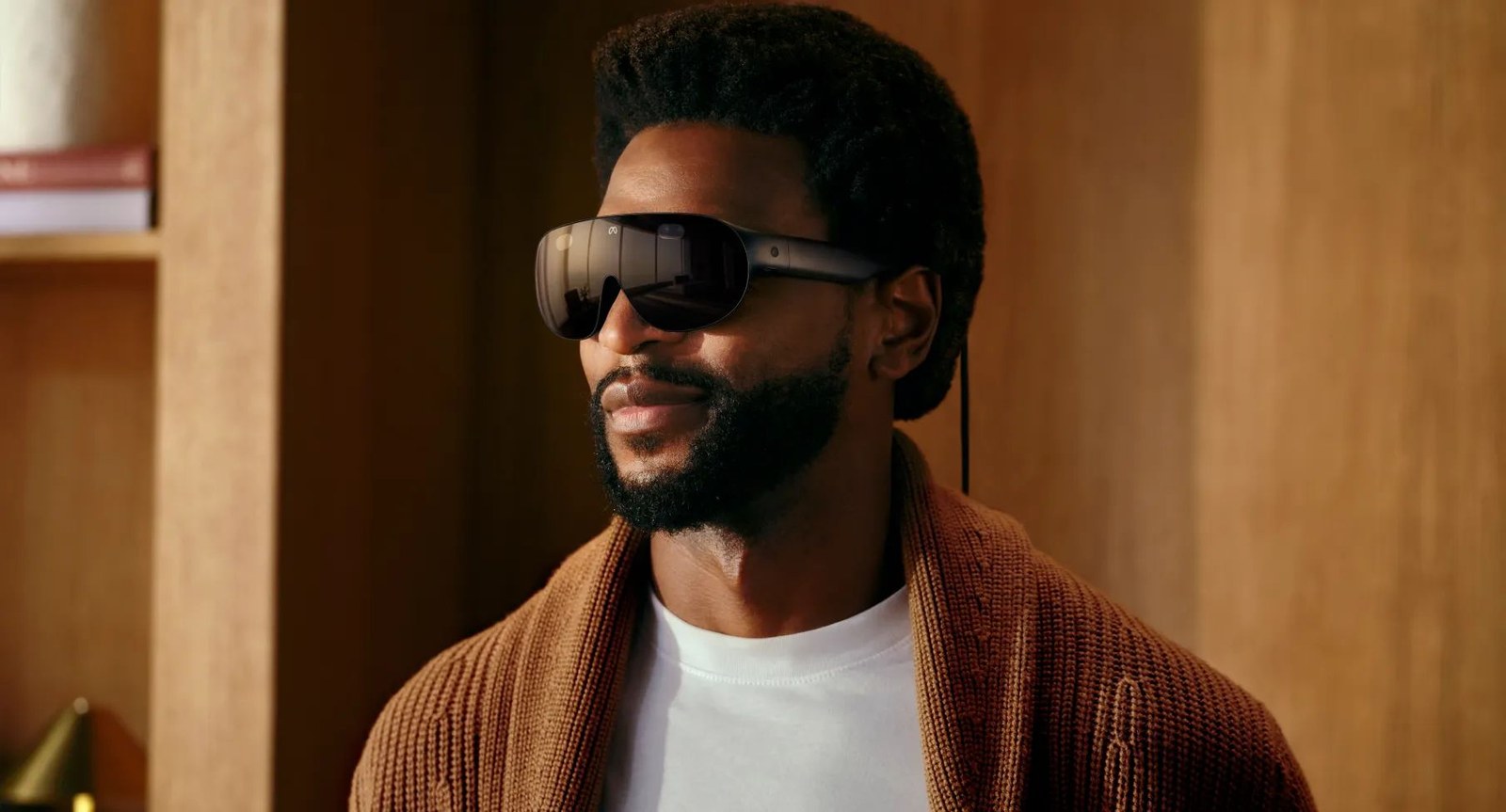
Despite the VR branding, the experience is much more of an XR experience — akin to the Apple Vision Pro, but also reflecting where the Quest has been heading with its new interface.
Gamer24h / TechRadar
That mixed-reality direction is reinforced by the AI integration. Meta says the glasses include an AI assistant that users can “just talk to” to play movies, open apps, and perform other tasks, positioning the device as a conversational, hands-free computing platform rather than a purely gaming-focused rig. The system also supports hand tracking, and Meta has already published a list of titles launching or being updated with hand tracking support by the time the glasses arrive, including Beat Saber, Two Point Hospital, and Tetris Effect: Mixed Realities.
Real-World Testing and a Keyboard That Appears Out of Nowhere
Hands-on coverage from the event offered a useful glimpse into the day-to-day experience. Sean On Tech spent time with the glasses and came away highly complimentary, particularly of a heads-up keyboard that projects in front of the user when needed. He reported being able to type at near full speed, a feature that could prove valuable for productivity use cases and reinforces the device’s broader appeal beyond gaming.
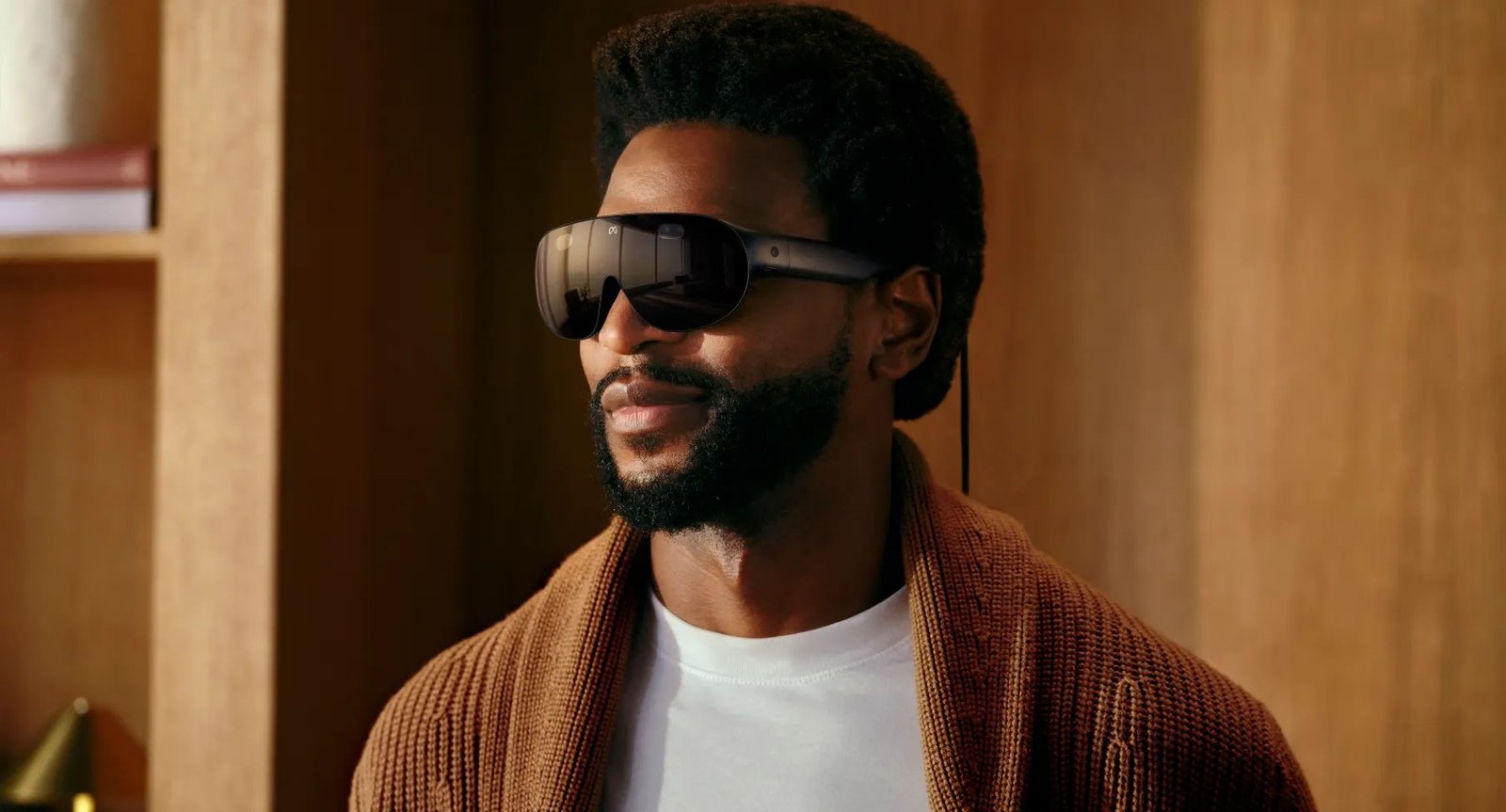
Meta has also confirmed support for the Touch Plus controllers — the same controllers used across the Quest lineup — though notably, no controllers are included in the box. This omission is worth flagging, as it means first-time buyers will need to purchase a controller separately if they want traditional input, a decision that may frustrate some users given the $1,300 price tag.
Looking Ahead
The Meta VR Glasses are set to launch in spring 2027, carrying a $1,300 price that places them firmly in premium territory. The pricing has prompted speculation about the company’s broader strategy, with many observers hoping a future Quest 4 will offer a more affordable entry point into Meta’s ecosystem. The VR Glasses appear to target a different segment entirely — one focused on mixed reality, AI, and everyday computing rather than hardcore VR gaming.
For now, the device signals a clear strategic pivot for Meta, one that prioritizes weight, optics, and AI over raw immersion and included accessories. Whether this approach resonates with consumers remains to be seen, but the company has made its vision unmistakably clear: the future of Meta hardware may well be a pair of glasses and a puck, not a headset.



No comments