

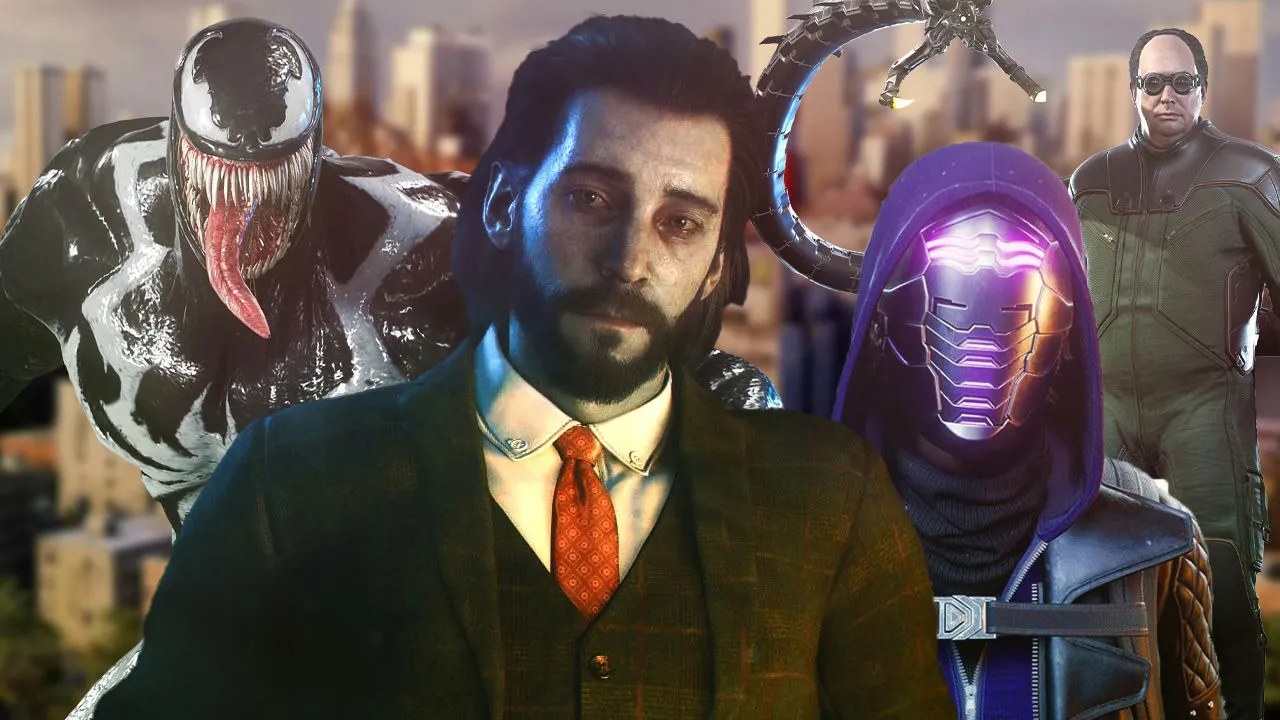
Marvel’s Wolverine has arrived, marking Insomniac Games’ fourth collaboration with Marvel Studios, but the game’s launch has been anything but triumphant. Scoring a 6 out of 10 in IGN’s official review and drawing heavy criticism from online commenters, the title has become the latest battleground in an ongoing debate about how the studio handles its supervillains. While a 6 on the IGN scale is generally considered “okay,” the game has fallen short of the heights of Insomniac’s best titles, prompting editor Carlos Morales to question whether the developer’s approach to Marvel’s darker characters has finally run out of steam.
A Recurring Formula Reaches New Heights
Every one of Insomniac’s Marvel games has followed the same narrative blueprint: the main villain is a close friend of the hero, and their falling out forms the crux of the conflict. Critics argue that recycling this premise has become unimaginative, and in Wolverine it has reached what Morales describes as a “new level of absurdity.” The game casts Nathaniel Essex, traditionally known as Mr. Sinister, as the antagonist — one of Marvel’s most sociopathic figures. In the game, Essex leads a covert team called Team X and is portrayed as a mutant rights activist fighting Bolivar Trask and the Reavers, only to reveal his true, far more sinister nature in the final act.
Insomniac took Mr. Sinister and bent him out of shape to suit its story instead of writing a story that suited him.
Carlos Morales, IGN
The core problem, Morales argues, is that the game tries to present Essex as a righteous champion of mutantkind for most of its runtime, then pivots him into an omnicidal maniac who unleashes a fleet of Helix Sentinels and seeks to absorb all mutant X-genes into himself. There is no coherent development between these two mindsets, and the emotional beats of their conflict fail to land because the foundation supporting them is thin. Fans of the source material may find the mutant crusader framing confusing, while newcomers will struggle to understand why a character who spent so much time protecting mutants would suddenly turn dark.
Looking Ahead
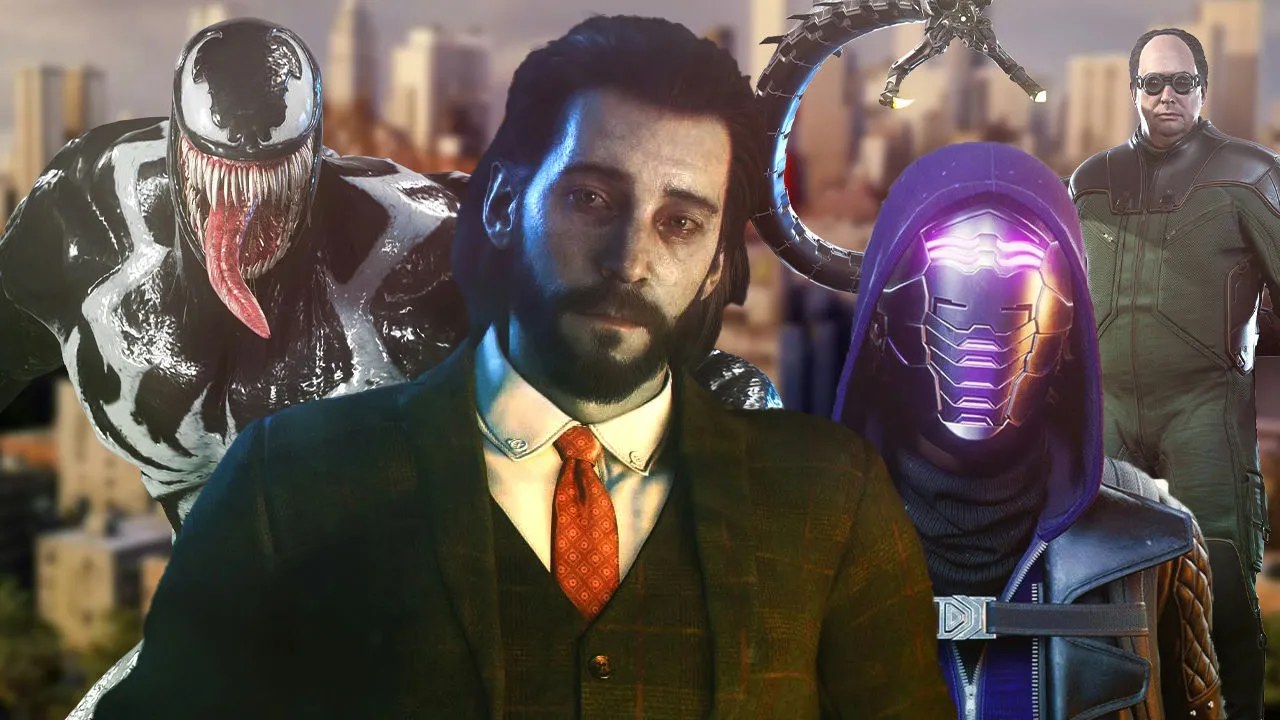
Morales points to Insomniac’s own Spider-Man as the benchmark for what worked. In that game, the studio flipped the typical Doctor Octopus and Peter Parker relationship, crafting a heartfelt story that honored the character’s essence while subverting expectations. That approach, however, has been replicated across subsequent titles — the Tinkerer in Miles Morales, Venom in Spider-Man 2, and now Sinister in Wolverine — with diminishing returns. Morales warns that if Insomniac wants to reclaim its creative footing, it must take a hard look at its storytelling instincts, hoping that by the time future projects like Spider-Man 3, the Venom spin-off, or the X-Men game arrive, the studio will learn that for supervillains, one size most definitely does not fit all.
and
– another image
Since these don’t have captions in the input, I’ll preserve them as-is. I could place them naturally in the article. Let me integrate them.
Actually, for a news report, I might place a media tag at the top. Let me integrate at the beginning and / somewhere relevant.
Let me also think about the links. Marvel’s Wolverine, 6/10, online commenters, IGN scale, best Marvel game, Twitter
Subheading 1
quote



1 comment