

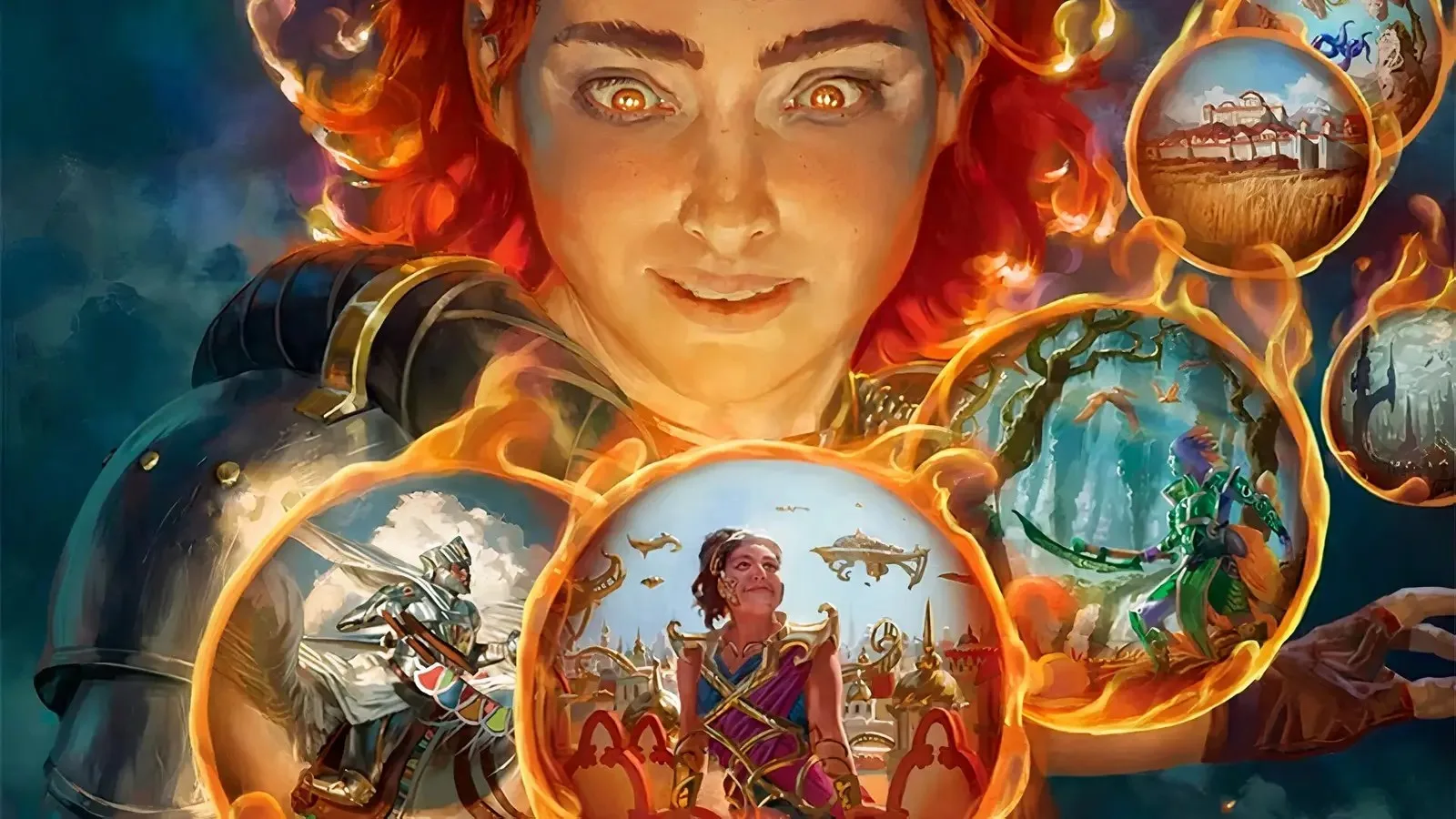
Magic: The Gathering is generating substantial revenue, and there is no question about it. Each time Wizards of the Coast’s parent company Hasbro issues a quarterly financial report, the popular trading card game emerges as its crown jewel. The 2026 third-quarter report was no exception; if anything, it suggested that Hasbro might as well rename itself Magic: The Gathering, Inc. and shed the rest of its portfolio.

According to Hasbro’s 2026 third-quarter financial report, Magic: The Gathering surpassed $600 million in quarterly revenue for the first time. In total, Wizards of the Coast (which publishes Magic and Dungeons & Dragons) accounts for nearly 90% of Hasbro’s quarterly operating profits. Wizards’ impressive 31% revenue increase over the previous year was driven by the success of the two most recent Magic sets, The Hobbit and Reality Fracture. According to the report, The Hobbit is the fourth best-selling Magic set in history, despite its smaller card pool.

Hasbro claims that Magic’s organized play is growing
Artwork by Brian Valeza, Courtesy of ArtStation
Image: Wizards of the Coast
Magic‘s strong financial performance for Hasbro is nothing new, as every new report simply confirms that the game has never been more commercially successful. However, another statement made during the earnings call could sound surprising to regular Magic players: organized-play participation in the first nine months of 2026 is up 40% compared with all of 2024.
Over the past few years, many Magic players have complained about the state of organized play. Common criticism centers on the fast pace of new set releases, which makes it difficult to keep up with formats like Standard, while inadequate prize support from Wizards has led to a decline in attendance at events such as Regional Championship Qualifiers (RCQs). Meanwhile, new games like Riftbound are attracting impressive numbers of players thanks to their generous prize support.
Magic‘s biggest challenge going forward will be finding a way to reconcile Hasbro’s sales-first policy with the game’s traditional fanbase. Magic is selling strongly, and more and more people are getting into the game thanks to Commander and, no matter how hard it is to admit, the Universes Beyond collaborations. Meanwhile, competitive players are feeling a growing sense of disenfranchisement, as if the game no longer belongs to those who have supported it for decades. But with Wizards of the Coast having become a lifeline for Hasbro, policies are unlikely to change soon.
Have thoughts, questions, or benchmarks on this topic? Join the discussion on our forums.
Join Discussion ➔






















参与讨论