
While annual releases have long been a staple of the industry, many publishers have recently shifted away from the model. Activision, for instance, has never truly embraced a yearly cadence, and the trend has seemed to be fading. Yet, two major studios—Capcom and Konami—are now announcing a return to the yearly rhythm, each with a distinct strategy.
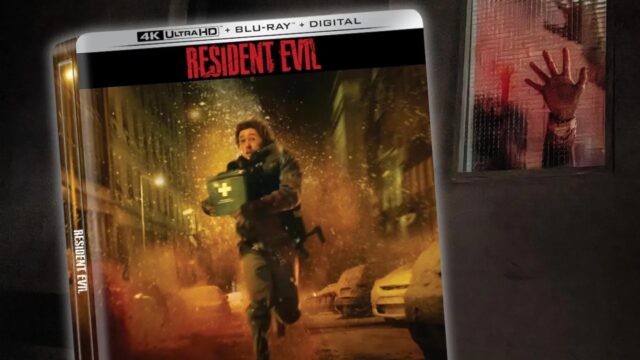
Capcom has reaffirmed its belief in the power of remakes, pledging to push them even further in order to sustain a yearly stream of Resident Evil titles that bridge the gaps between new mainline entries. The studio’s recent remakes have been met with widespread acclaim, proving that revisiting classic IP can be both commercially viable and critically successful.
Konami, after a prolonged absence from mainstream gaming, is poised to re‑enter the spotlight by making its flagship franchise, Silent Hill, an annual event. The company already has a remake in the pipeline, alongside a planned spin‑off, signaling a comprehensive revival of the series.
In an interview with GameSpot, Konami producer Motoi Okamoto emphasized the company’s commitment to re‑establishing its presence in the gaming landscape. “We’re serious about coming back into the gaming landscape,” Okamoto said, noting that the studio is now producing multiple titles concurrently to achieve this goal.
Okamoto outlined that the heart of Konami’s strategy is to juggle multiple projects at once, guaranteeing a brand‑new Silent Hill title every year. This approach assures fans that the studio’s commitment is genuine, not merely a marketing façade, and signals Konami’s serious reentry into the gaming arena.
The timeline is already unfolding as planned: a 2024 release of the Silent Hill 2 remake, the 2023 launch of Silent Hill f, and the forthcoming 2026 entry, Silent Hill: Townfall. Meanwhile, Bloober Team is developing a Silent Hill 1 remake slated for next year, unless Konami announces a different 2027 project.
This annual cadence mirrors the approach taken by Capcom, Konami’s Japanese counterpart, which alternates between new titles and remasters for Resident Evil each year, deliberately sidestepping spin‑offs to preserve development focus. Konami appears unconcerned by that restriction, as evidenced by Townfall’s inclusion.
It’s encouraging to see Konami reemerging and concentrating on its flagship properties after a prolonged hiatus. While remasters and PC ports are valuable, the industry—and fans—are eager for fresh, original content, and the long‑awaited Metal Gear revival remains on the horizon.
❓ Frequently Asked Questions (FAQ)
Why are Capcom and Konami choosing to return to annual releases for their flagship franchises?
Capcom believes that remakes of classic Resident Evil titles can sustain a yearly release cadence while keeping the brand fresh, and Konami sees an annual Silent Hill schedule as a way to re‑establish its presence and generate consistent revenue from a dormant but iconic IP.
What strategies are each studio using to make their yearly releases successful?
Capcom is focusing on high‑quality remakes that build on the success of recent Resident Evil revivals, bridging gaps between new mainline entries. Konami is planning a mix of a new Silent Hill remake and a spin‑off, aiming to diversify the series while maintaining core horror elements.
How might Konami’s decision to annualize Silent Hill affect the broader gaming industry?
If successful, it could encourage other legacy IP owners to adopt a similar model, potentially revitalizing dormant franchises and reshaping release strategies across the horror genre and beyond.
News Source: Destructoid





Comments
Be the first to comment.