
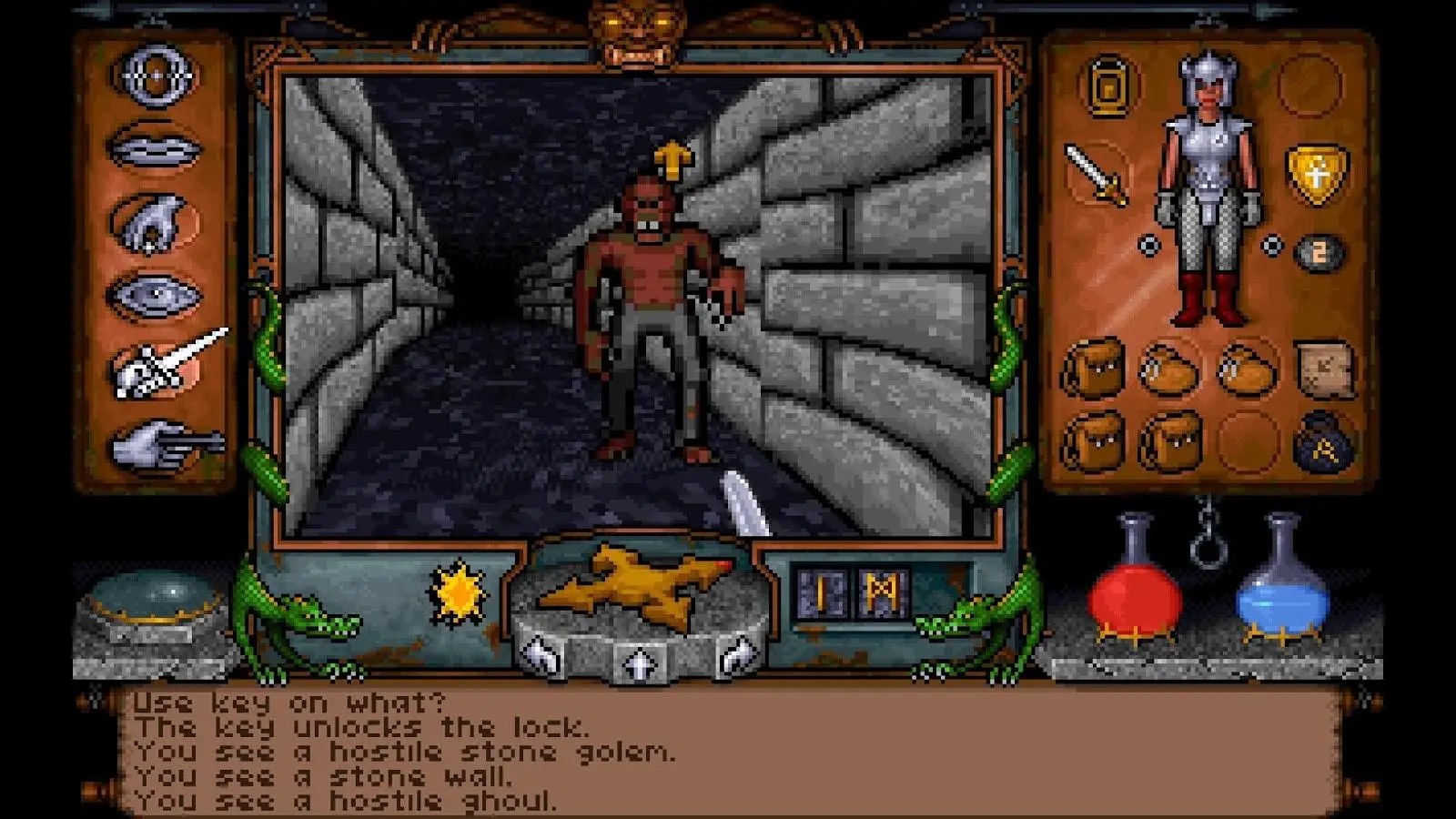
Richard Garriott, who released the first Ultima game in 1981 and launched a series that would come to define computer role-playing games, is set to reclaim the rights to his creation from Electronic Arts. A decade after its debut, Garriott sold both the series and his studio, Origin Systems, to EA for $30 million.
After a short-lived attempt to launch another game, the MMO Tabula Rasa, and a successful stint as a private astronaut, Garriott is now poised to take back control of Ultima. In an interview with Jesse Petrilla, Garriott explained that he will invoke a section of U.S. copyright law allowing the original holder to reclaim a copyright 35 years after its transfer, provided the current holder receives written notice at least one year in advance.
Garriott contacted Electronic Arts in April 2026, and the company has raised no objections. As a result, he will regain the rights to his famous creation in 2027.

“At the very least, it means I could re-release the earlier Ultimas, but it also means I could sequel them.”
Richard Garriott
If you played computer RPGs in the ’90s, there is a good chance that you are already familiar with Ultima. The MMO spinoff Ultima Online was particularly popular, and its sophisticated in-game economy and social systems set the standards for the genre.
On Aug. 8, 1997, it became the stage for one of the most memorable events in video game history: the assassination of Lord British. Garriott logged in as his avatar Lord British, the ruler of Britannia across all the Ultima games, to address a crowd of beta testers as part of a stress test. A player named Rainz knew that an unexpected server crash before the event had stripped Lord British of his scripted invulnerability and decided to take advantage of the situation. He blew up Garriott’s character with a fire spell, and other developers reacted by summoning a horde of demons that slaughtered all the bystanders.
The Ultima series is known for being innovative, but the creative and technological landscape for gaming has changed significantly in the 21st century. Garriott, who spent 12 days aboard the International Space Station in 2008, will now have to figure out what to do with the copyright once he gets it back.























Join the conversation