

 •
•According to a report for PC Gamer, Intel has introduced a new AI-focused graphics card that carries an unusually large amount of memory—enough to make anyone who’s been trying to buy a gaming GPU with any capacity feel the sting of the ongoing DRAM shortage.
The card, previously codenamed ‘Crescent Island’, packs up to 480 GB of LPDDR5X memory alongside its processor. Intel describes it as part of its new “GPU D-series”, aimed squarely at AI inference workloads rather than training.

Built on Intel’s latest Xe3P architecture, the GPU combines up to 480 GB of LPDDR5X memory, 1.5 TB/s of memory bandwidth and 1.3 petaflops of FP8 compute within a 350-watt power envelope. This balance of memory capacity, compute performance and power efficiency reflects Intel’s approach to optimizing infrastructure for real-world inference workloads.
Intel
The company says the GPU is “designed to simplify deployment within existing data center environments while supporting application portability across Intel GPU platforms.”
This marks a shift for Intel in its AI hardware ambitions. Its earlier attempts at AI GPUs, codenamed Gaudi, failed to compete meaningfully with Nvidia’s offerings, leading to the cancellation of its follow-up ‘Falcon Shores’ GPUs. This time, Intel is targeting inference workloads specifically.
Intel’s VP of AI Products and GTM Anil Nanduri explained the strategy: “Inference is becoming the defining AI workload, and enterprises need infrastructure that delivers the right performance at the right cost. With Intel GPU D-series, we’re focused on making high-capacity inference practical to deploy and economical to scale.”
For context on memory capacity, Nvidia’s top consumer card features 128 GB of unified HBM. That comparison isn’t quite apples-to-apples, though—Intel is using slower but more efficient LPDDR5X memory rather than HBM.
According to Intel, target applications “range from multi-tenant AI services to robotics and other latency-sensitive workloads.”
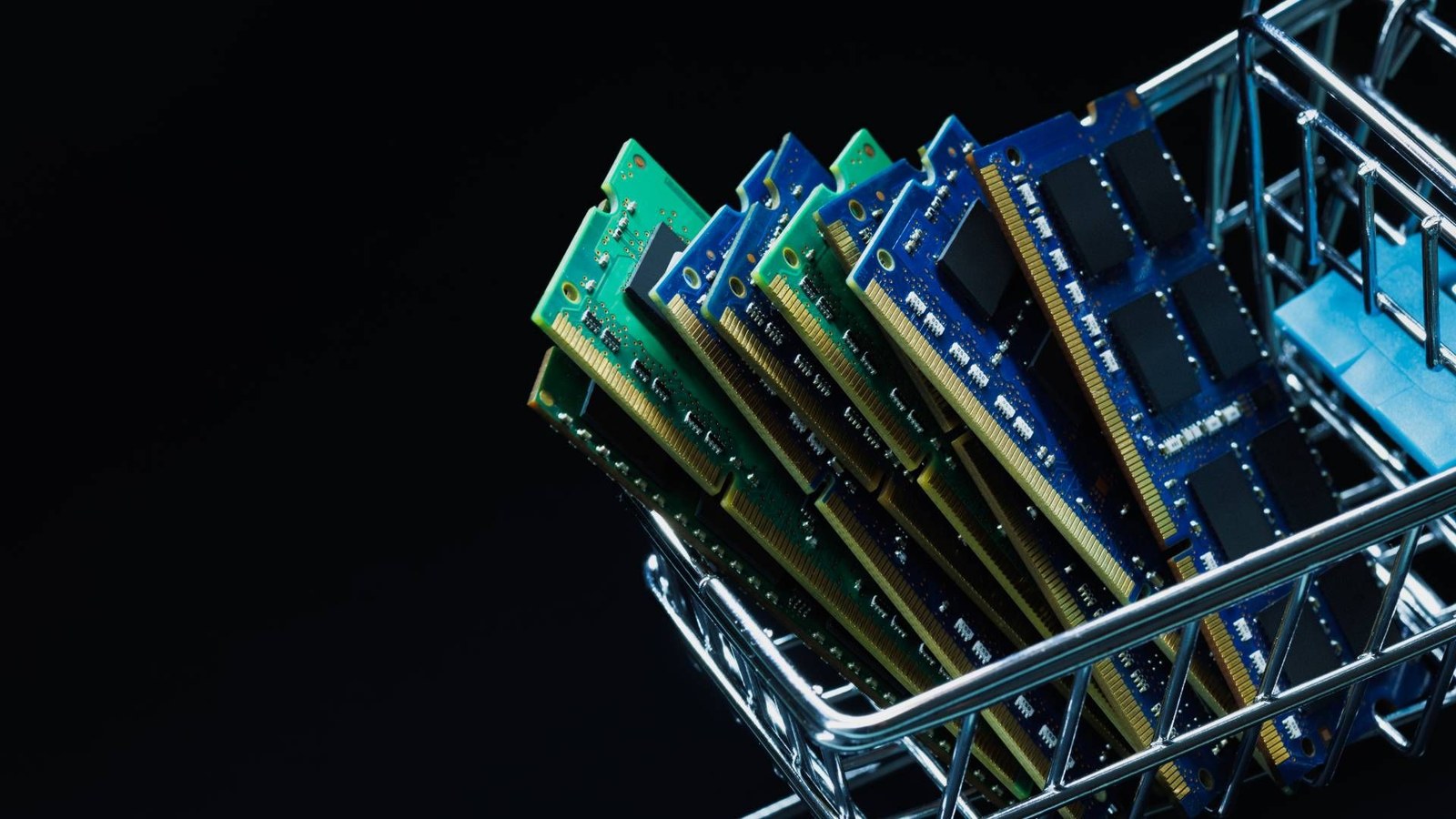
The amount of memory far exceeds what’s found in gaming GPUs—and its use of a type closer to consumer device memory may raise concerns about production lines being diverted away from PC builders toward AI use cases.























1 comment