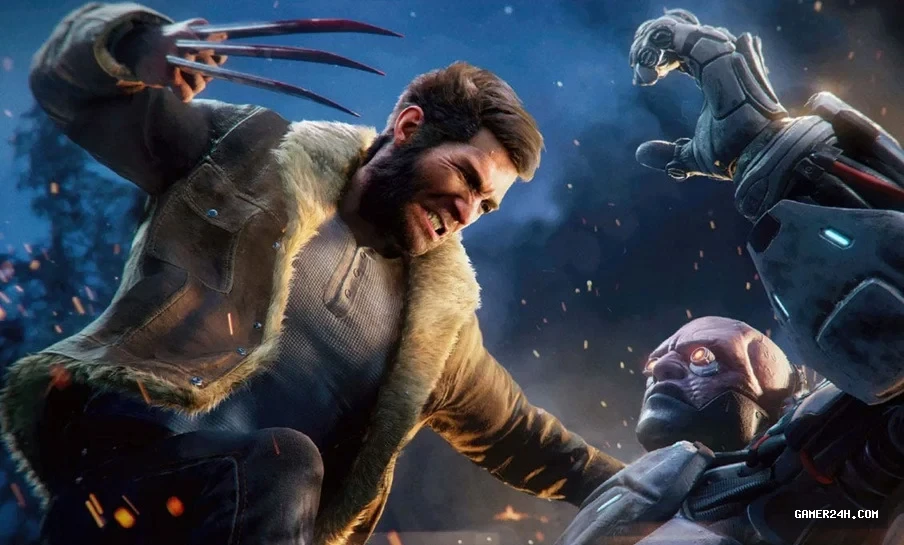
As September draws near, a select group of journalists sat down with the creators of Marvel’s Wolverine, Sony’s flagship first‑party title of the year. The interview confirmed that, in contrast to Insomniac’s Spider‑Man series, the gruff X‑Man will slash through the game world in a more traditional, straightforward action format—something the studio has delivered in abundance in the past.
Despite the clear takeaways, the interview was dominated by memes and frustration, with one team member even feeling pressured to speak out. The relentless negativity amplified by social‑media algorithms has prompted the studio’s community and marketing director, James Stevenson, to question the wisdom of encouraging developers to engage on these platforms.
“I think the wild way this algorithm amplifies and forces negativity upon you has me reconsidering my philosophy on telling devs to look or post here,” Stevenson wrote. “It’s a relentless onslaught that I cannot believe is good for anyone’s mental health.”
After the Wolverine preview event, online trolls discovered fresh angles to critique. Fans posted memes that spotlighted typical AAA tropes—overly punishing difficulty and a Sentinel encounter that felt like a relic from early 2000s boss battles. Those threads amassed millions of views, according to X’s metrics.
Despite Insomniac’s reputation and a leaked build that hinted at an open‑world experience, the final game turns out to be a classic level‑by‑level hack‑and‑slash. In fact, that formula has already proven to be the most successful approach for Wolverine titles to date.
The criticism isn’t rooted in nostalgia for old‑school design. Even in a world where Sony still supports physical discs, social media remains a breeding ground for negativity. These platforms reward quick, often malicious takes, and fans obsess over trivial facial details, turning every small flaw into a viral spectacle.
In recent years, preemptive shaming has become a spectacle in its own right. 2026 began with the downfall of Highguard, a generic live‑service shooter that, paradoxically, attracted too much attention from industry tastemaker Geoff Keighley.
Stevenson is right that the negative feedback loops on major platforms fuel the mania surrounding gaming. Deciding how much a first‑party studio should address this is delicate, but at least the source of frustration isn’t an external factor—or the kind of controversy involving “Multiple Man.”
❓ Frequently Asked Questions (FAQ)
What gameplay style will Wolverine use in Sony's upcoming title?
The game will adopt a more traditional, straightforward action format, focusing on fast-paced combat and classic Wolverine mechanics rather than the narrative-heavy, open‑world style seen in Insomniac’s Spider‑Man series.
Why is Sony shifting Wolverine away from a narrative‑heavy open‑world design?
Sony aims to broaden Wolverine’s appeal by returning to a classic action‑oriented formula, targeting both longtime fans and the wider action‑game audience, and signaling a strategic pivot in its first‑party lineup that may influence competitors’ genre choices.
How is the studio addressing the negative social‑media environment highlighted in the interview?
James Stevenson, the studio’s community and marketing director, has expressed concerns over the relentless negativity amplified by algorithms, leading him to reconsider encouraging developers to engage on platforms like Twitter for fear of mental‑health impacts.
News Source: Kotaku

Comments
Be the first to comment.