

Four decades after Nintendo first dropped Mario and Luigi into a seedy backroom arcade to battle creatures pouring from the pipes, Mario Bros. is proving that some games simply refuse to age. Originally released in arcades in July 1983, the title finally gave a name to the character introduced in Donkey Kong while introducing his brother Luigi, yet its core loop remains as engaging today through its availability on Nintendo Switch Online.
The game’s enduring appeal lies in its elegant simplicity and twin-player design that has held up remarkably well. What began as a commercial strategy to maximize arcade revenue has transformed into one of gaming’s most accessible co-operative experiences, drawing new generations of players who discover why this 1983 classic continues to captate audiences nearly half a century later.
The Capitalism Behind the Sibling
Nintendo’s decision to introduce Luigi alongside Mario was not merely creative whimsy but a calculated business move. The simple addition of a second playable character enabled two-player action, essentially doubling the money an arcade machine could collect from eager crowds waiting their turn. This pragmatic innovation shaped the franchise’s future while giving players a genuine reason to gather around a single cabinet.
The gameplay itself borrows heavily from the 1982 arcade classic Joust, with Mario and Luigi running and jumping across platforms that would normally prove deadly. Characters can fall long distances without consequence, a stark contrast to Mario’s previous platforming outings. However, brushing against the critters emerging from the pipes costs each plumber a life unless the enemy has first been bopped from beneath and temporarily stunned.
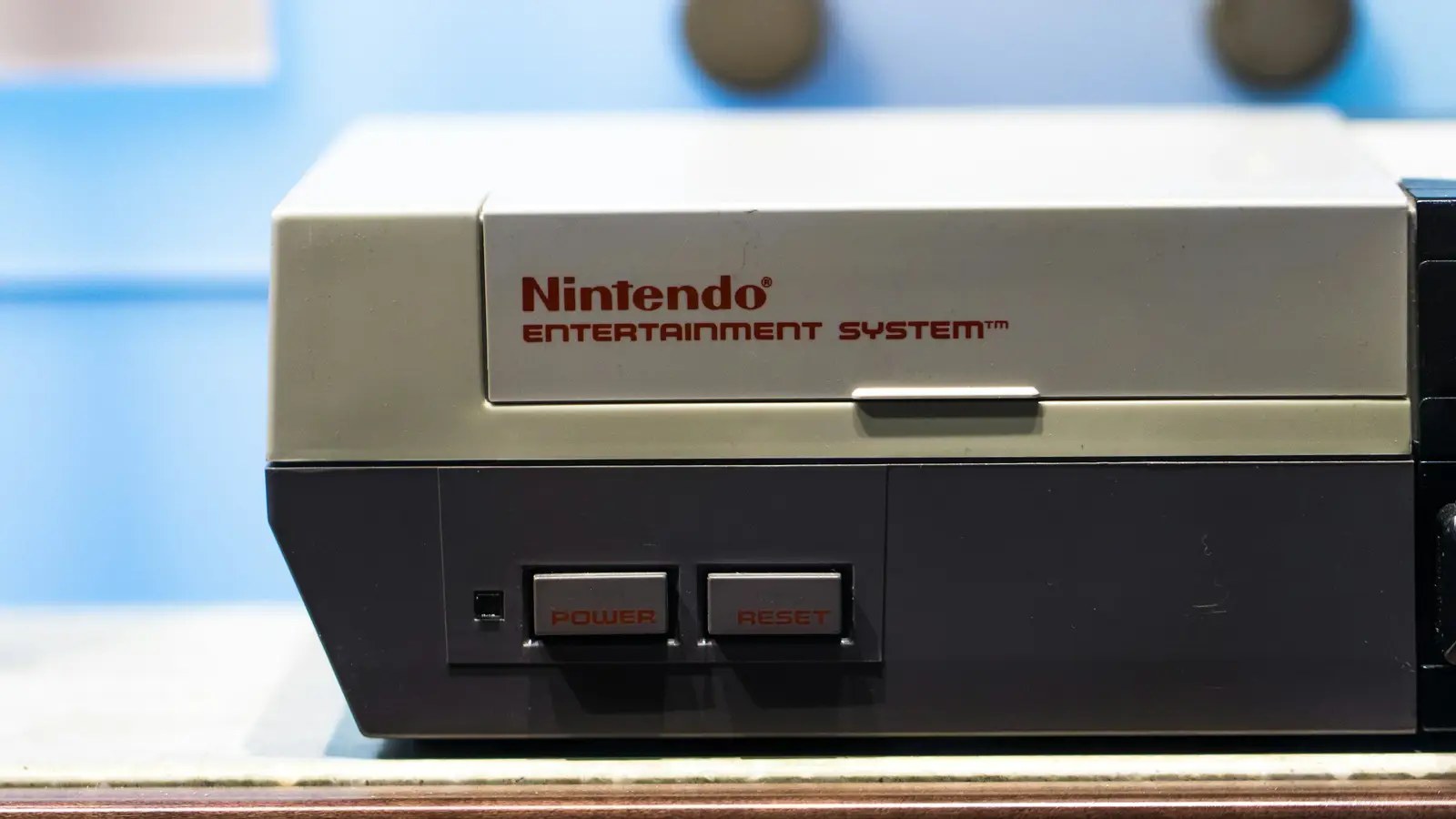
The arcade experience that translated perfectly to the NES now works just as well for bite-sized gaming sessions between more advanced games. It’s also a natural pick for young children who are getting comfortable with the medium, just as it was closer to launch.
Polygon retrospective on Mario Bros.
A Graduating Cast of Foes
Players begin their journey battling simple turtles that move slowly and require a single hit from below to flip onto their backs. Later encounters introduce crabs demanding two hits, while flies represent the third enemy type, flipped with one strike despite taking big slow leaps that players must anticipate since they remain immune while airborne.
Beyond standard opponents, stages contain fireballs materializing along screen edges and interfering with combat efforts. Some travel directly across predictable paths, while others follow random diagonal patterns rebounding from platforms. A moving ice block provides additional hazard, sometimes pausing on platforms before turning ledges icy until the next stage unless quickly destroyed.

The Scoring Symphony
Points play a crucial role in Mario Bros., even generating an extra life during early gameplay. Players chasing high scores can arrange stunned enemies near one another to boost their totals, with points increasing from 800 for the first enemy to 1600 for subsequent ones as stages accelerate.
Bonus levels between standard stages introduce floating coins collectible within strict time limits, a feat most easily accomplished by two players once timing grows demanding. Coins also emerge from pipes at one per enemy defeated, though distracted players may find themselves nabbed by the enraged final enemy of each level chasing loot.
A Legacy Across Platforms
Following its arcade debut, Nintendo licensed other developers to port Mario Bros. across numerous platforms ahead of the Nintendo Entertainment System’s arrival during an era of industry turmoil. Some versions were developed but never commercially released as publishing patterns shifted, though several reached consumers including a version that introduced many players to Mario for the first time.
The NES port finally arrived in North America in 1986 with Intelligent Systems handling development, offering genuine value through simultaneous two-player action without the waiting inherent to arcade culture. Gameplay provided enough variety to stay engaging without becoming overwhelming while later levels delivered substantial challenge that rewarded mastery.
Looking Ahead
Today Mario Bros. remains a pleasant experience readily available on Nintendo Switch Online, offering simple gameplay requiring little explanation. Players can jump into quick matches immediately without tutorials or rehashed storyboards, enjoying bite-sized gaming sessions between more advanced titles just as arcade-goers did in 1983.
The game’s accessibility makes it an ideal introduction for young children becoming comfortable with gaming while serving as the perfect palate cleanser for veteran players seeking a brief nostalgic escape. Mario may have evolved into countless adventures, but his original sewer-battling roots continue offering genuine fun that transcends generations and proves some classics simply never fade.























Join the conversation