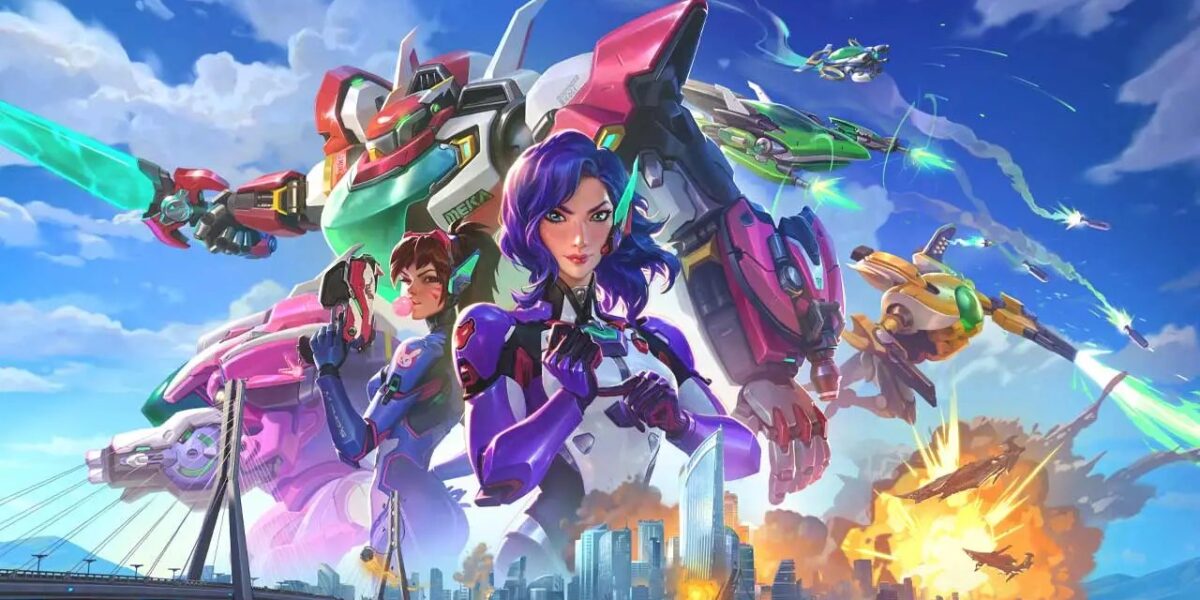
For years, Blizzard’s Overwatch carried the reputation of one of gaming’s most toxic multiplayer titles, with player behavior deteriorating sharply each time a new hero joined the roster. Now the studio says it has cracked the problem — and the answer was counterintuitive. Rather than easing players into new characters one at a time, Blizzard deliberately flooded the game with five heroes simultaneously earlier this year as part of Overwatch 2’s broader rebuild, and the result was a measurable drop in toxicity. The move arrived alongside the game’s first year-long narrative arc, The Reign of Talon, and according to the studio, players responded by leaning into curiosity and experimentation instead of frustration.
The strategy traces back to a bold announcement made at the start of 2026, when Blizzard revealed a full slate of ten new heroes — with five of them launching together in Season 1. The reasoning, as the game’s director explained, was rooted in how players process change. When a single hero arrives, the community tends to fixate on the shifting meta and the perceived threat to their existing skill set. But a wave of new characters reframes the conversation entirely, turning the moment into one of discovery rather than dread.
A Deliberate Gamble On Player Psychology
Overwatch’s toxicity was never a mystery to Blizzard; it was a recurring pattern that worsened with every roster expansion. The studio had long suspected that the anxiety of adaptation — the fear of being left behind as the competitive landscape shifted — was fueling the worst of the behavior. By introducing five heroes at once, the team effectively removed the pressure of a single “new meta” and instead gave players a buffet of fresh options to explore.
The payoff, according to internal data, was significant. Toxicity within the player community fell noticeably during the Season 1 rollout, as engagement with the new content absorbed attention that might otherwise have been spent venting. The effect was not merely anecdotal; Blizzard tracked the decline directly and credited it to the deliberate design choice.
“[At] the start of 2026, we announced 10 heroes, and five of them launched in Season 1.” People were like, ‘how do you play all these heroes, you know, like what’s this game, what’s the meta going to be, what’s it going to turn into?’ We even saw toxicity went down measurably in the game when those five heroes went in, because people were just having fun trying to experience all of that.”
Aaron Keller, Overwatch game director, speaking to GameSpot at BlizzCon
Keller framed the approach as a repeatable rhythm rather than a one-off experiment. “This year also we’re releasing a new hero every single season, so you get that moment again where there’s a little bit more to learn,” he said. “The start of this year, we had a big moment. We have these little ones over the course of the year, and then we’re going to do it all again at the start of 2027, and we’re just going to keep going that way in the future.”
The philosophy signals a shift away from the cautious, drip-feed releases that had historically aggravated the community. By embracing larger, more frequent waves of content, Blizzard appears to be betting that sustained novelty is a more reliable antidote to burnout and bad behavior than slow, incremental updates.
The Next Hero: Doctrine
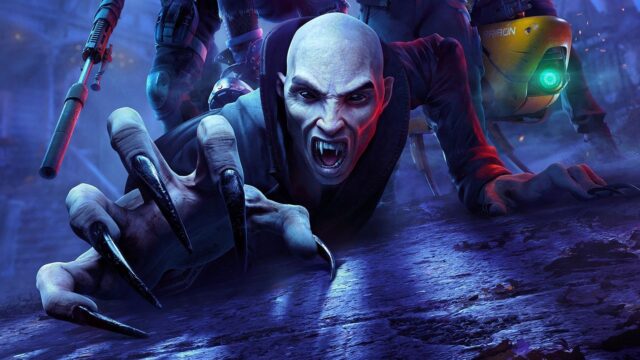
The most recent addition to the roster, Doctrine, was unveiled during the BlizzCon opening ceremony. Described as a techno-vampire hailing from Zimbabwe, the character wields a scepter and can heal allies, buff them, and unleash a swarm of bat drones to push back enemies. His reveal continued the studio’s habit of pairing roster growth with spectacle, reinforcing the idea that each new hero is meant to be a moment of shared excitement rather than a source of division.
The broader Overwatch ecosystem remains a rich topic for fans, with ongoing interest in the characters and design choices that have shaped the franchise. Curious readers can explore how Tracer almost had a completely different design, which heroes are considered to be the best in Overwatch according to Blizzard, and how two veteran heroes are being overhauled as the game evolves.
Looking Ahead
With the five-hero Season 1 launch proving that volume can be a tool for community health, Blizzard has signaled that this model will define the game’s future cadence. The plan to release a new hero every season, punctuated by a larger wave at the start of each year, suggests that roster expansion is now treated as a deliberate instrument for managing player sentiment.
Whether this approach can sustain its anti-toxicity effect over the long term remains to be seen, but the early data offers an encouraging signal. If Blizzard can keep players engaged through curiosity and experimentation, the studio may have finally found a way to turn Overwatch’s most notorious weakness into a manageable rhythm — one that could be repeated, refined, and relied upon for years to come.





Comments
Be the first to comment.