

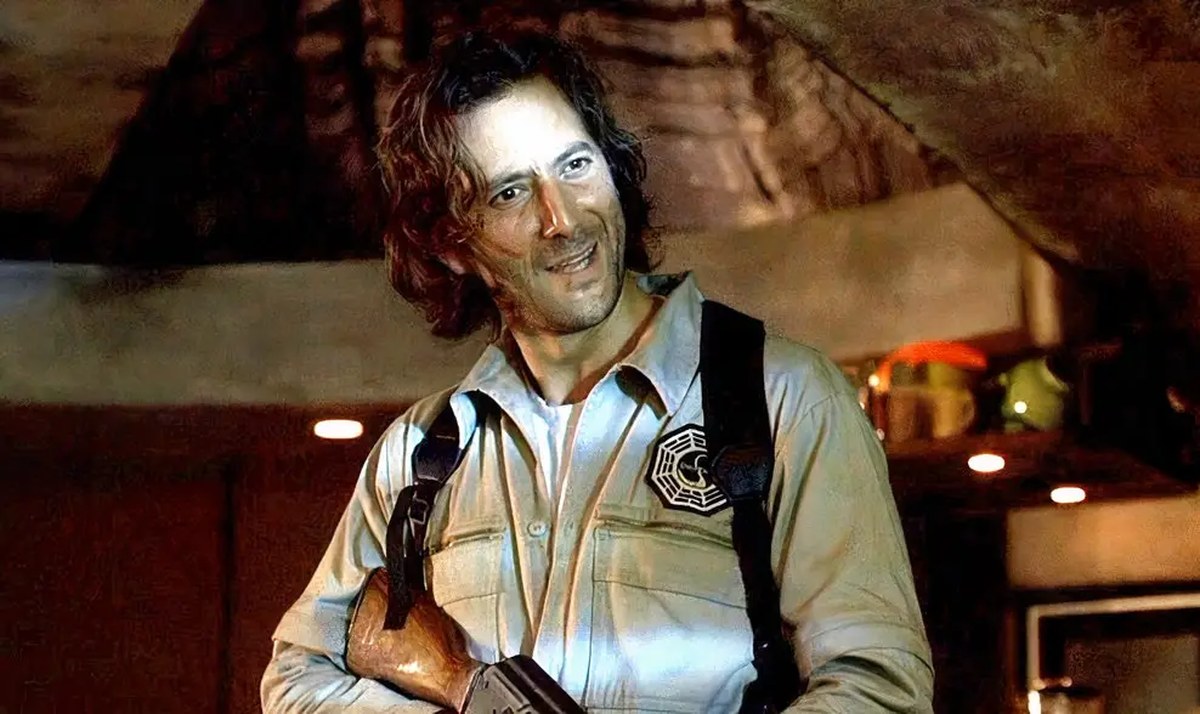
Twenty-one years ago, the television landscape was permanently reshaped by an unlikely creative decision: a stray bullet fired during the filming of “Orientation,” the second-season opener of ABC’s mystery drama Lost. That single misfire became the linchpin for one of the most celebrated episodes in modern television history, solving a structural crisis and establishing the narrative DNA that would carry the series through its run.
The decision was made by showrunners Damon Lindelof and Carlton Cuse at a moment when Lost faced an existential storytelling problem. The Hatch—a mysterious underground facility teased throughout season one—had finally been opened in the first-season finale, but this meant the writers had to explain what lay inside without deflating the tension that had captivated millions of viewers week after week.
The Mystery Box Problem
Every mystery-driven narrative confronts the same fundamental challenge: eventually, you must open it. The questions that keep an audience obsessing over a show from week to week lose their power the moment answers arrive. Explain too little and viewers feel cheated; explain too much and you risk deflating the entire story. Lost understood this tension better than almost any series before or since.
The near-perfect first season transformed a plane crash disaster into a sprawling character drama featuring a smoke monster, miraculous events, and sinister whispers in the jungle. Yet the question that consumed much of the season’s back half was remarkably simple: What exactly is inside the Hatch? The season one finale blew it wide open, but that moment merely marked where Lost’s mysteries truly began.
The Exposition Crisis
The second-season opener “Orientation” faced a significant hurdle. It relied on a great deal of exposition to reach its dramatic point. Viewers had already met Desmond (Henry Ian Cusick), the mysterious man living in the underground facility, and learned that he knew Jack (Matthew Fox) from a chance encounter before Oceanic Flight 815 crashed. They had also seen the computer, the countdown clock, and the button Desmond believed would end the world if not pushed every 108 minutes.
“Orientation” needed to explain what these apocalyptic stakes meant without stripping the Hatch of the mystique that made everyone so desperate to see it open in the first place. The writers solved this problem with a single bullet, literally speaking.
The most important early scene is a confrontation between Jack, Locke, Kate, and Desmond inside the Hatch. After Desmond forces Locke to input the code into the computer at the end of the previous episode, Jack shows up with a gun. Then Kate finds her way into the scene when she hits Desmond from behind, causing him to fire a stray bullet that ricochets directly into the computer.
Damon Lindelof on “Orientation”
Desmond panics and declares they’re all going to die. If the machine isn’t repaired before the timer reaches zero, it could destroy the world—or so he claims. Kate runs to find Sayid (Naveen Andrews), the only person capable of fixing the computer. Rather than boring viewers with a long scene where survivors extract this information at gunpoint, the details are sprinkled out at a breakneck pace while everyone rushes to fix the computer in time—even though nobody, not even Desmond, truly understands why it matters.

A Single Bullet Changes Everything
According to Damon Lindelof speaking on the DVD commentary for the season four episode “The Constant,” the writers were concerned that the Hatch storyline required so much exposition that it would drag down the episode. Shooting the computer created an immediate crisis and allowed characters to receive new information on the fly. Instead of passively listening to Desmond explain the Hatch, they had to determine how it worked while racing to save it.
This elegant solution addressed a major structural problem. The writers spent much of season one mythologizing the Hatch into a tantalizing mystery. Behind the curtain, the big reveal had to be substantial and satisfying enough to justify that buildup without making it any less intriguing.
The Turning Point
“Orientation” marks the turning point where Lost transformed from a tight survivalist story into the sprawling mystery it’s remembered as today. This was more concrete information about the Island than Lost had ever revealed, yet every single detail felt meticulously designed to inspire even more questions.
The orientation film gives Jack, Locke, and the audience identical information before inviting everyone to argue over what it means. Jack, ever the skeptic, believes the Swan could be an elaborate psychological experiment. Locke insists the warning should be taken literally. Neither man can prove his interpretation. The only certainty is the potential cost of being wrong.
This dynamic between Locke and Jack—along with the dilemma they face—is quintessential Lost. As the cosmic mystery deepens in later seasons, it becomes clear that Locke’s faith remains conditional upon the validation he expects from it. Yet faith by its very nature never affords anyone certainty. Jack’s arc runs inverse: a man of science demands evidence, yet he consistently fights to do the right thing because he believes someone has to.
Looking Ahead
“Orientation” ends with the moment Jack takes his first leap of faith, pressing the button after Sayid fixes the computer. He does it out of fear—afraid of how terrible things might turn out if he doesn’t. Even though he doubts its reality, he’d rather not risk it.
Twenty-one years later, we understand that the bullet which struck the computer didn’t just save an episode from an exposition problem. It gave Lost the mechanism it would use to keep millions of viewers pressing the button every single week for seasons to come.























Join the conversation