Guillermo del Toro Confirms He Nearly Took on the BioShock Movie, Then Says “Fuck No” to Video Game Adaptations
Legendary horror filmmaker Guillermo del Toro has confirmed that he was courted to direct a BioShock movie, describing the conversations as some of the...
By Gamer24H Editorial Team4 min read
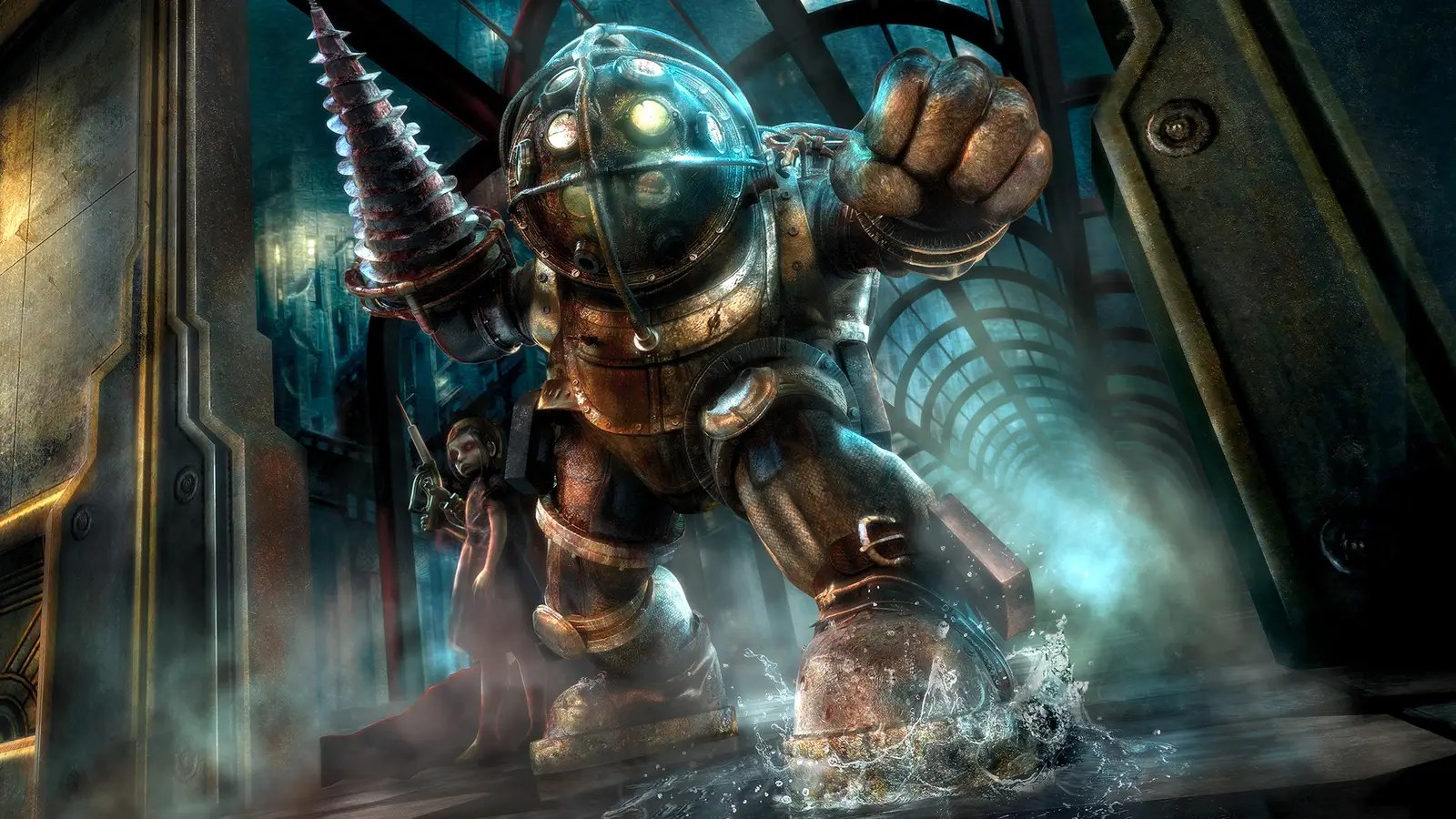
Legendary horror filmmaker Guillermo del Toro has confirmed that he was courted to direct a BioShock movie, describing the conversations as some of the most disastrous of his career and bluntly dismissing the idea of ever adapting a video game again. Speaking to IGN in a wide-ranging interview, del Toro revealed that he had “a couple of calls” about taking on the cinematic version of Irrational Games’ critically acclaimed 2007 shooter, though the project never progressed beyond those initial discussions.
The revelation offers the first official confirmation of a long-rumored chapter in the troubled history of bringing Rapture to the big screen. While video game adaptations continue to be in vogue, Hollywood’s white whale has been BioShock. Given how well suited the massively influential shooter is to a cinematic treatment, it is perhaps surprising that an adaptation has been so elusive, with attempts occurring for nearly as long as the game itself has been in existence.
“The Most Disastrous Calls I’ve Ever Had”
Del Toro did not elaborate on what his vision for the film might have entailed, nor did he specify which studio or producers were behind the calls. He simply characterized the exchanges as some of “the most disastrous calls I’ve ever had,” adding that the BioShock pitch was merely one potential adaptation among a series of conversations he described as “contentious.” The director’s candor suggests the talks fell apart quickly, leaving the franchise without a filmmaker at a time when del Toro was already deeply invested in his own original horror properties.
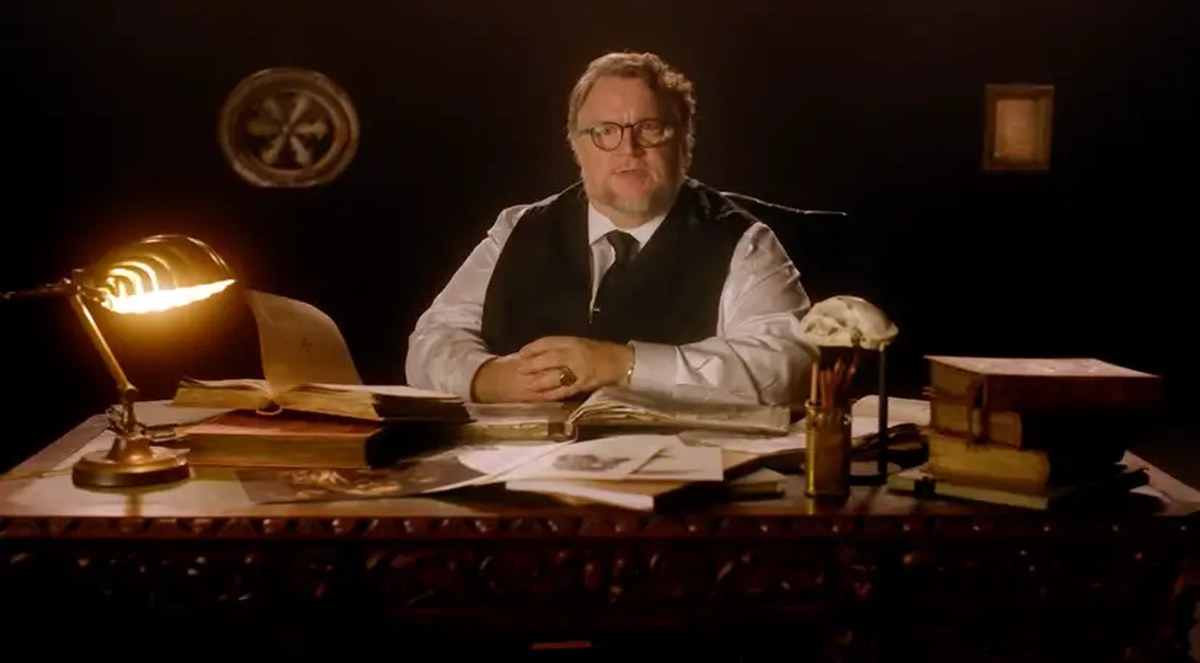
Image: Netflix
Guillermo del Toro, on whether he would ever adapt a video game
When directly asked by the interviewer whether he would ever want to adapt a video game in the future, del Toro answered with that single, unambiguous word. The refusal extends to his broader involvement in the medium as well, with one notable exception: lending his likeness to a project by Hideo Kojima. Following the troubled cancellations of his horror titles Silent Hills and the earlier Insane project, del Toro insisted that he would never return to game development, declaring, “never again.”
A Movie That Refuses to Die
Despite del Toro’s emphatic disinterest, a BioShock film appears closer to reality than ever before. The latest iteration of the project is actively in development at Netflix, marking yet another pivot in a production that has cycled through numerous creative teams over more than two decades. The Netflix version was announced in 2022, with Francis Lawrence, the director behind the Hunger Games franchise, attached to helm the film from a script written by Michael Green, the writer behind Logan and Blade Runner 2049.
The very first attempt to bring BioShock to the screen dates back to just after the game’s release in 2007. Gore Verbinski, the director of the Pirates of the Caribbean films, was attached to the project, and according to Verbinski, his adaptation would have somehow incorporated both of the game’s endings. The effort was eventually abandoned due to budget concerns combined with Verbinski’s desire for an R-rating, leaving the franchise’s cinematic future once again in limbo.
Netflix has not released any further information about its adaptation at this time, and fans remain skeptical of the project’s eventual arrival. As one observer of the film’s protracted development put it, the movie is allegedly coming “relatively soon,” though many refuse to believe it until they are actually seated in a theater watching it unfold.
Looking Ahead
The BioShock film’s journey from del Toro’s disastrous phone calls to a Netflix production underscores how one of gaming’s most beloved worlds has become a Rorschach test for Hollywood’s ambitions to translate interactive storytelling to the screen. With Netflix now behind the project and a seasoned creative team attached, the studio appears determined to finally crack the code that has stymied directors for more than fifteen years. Until an official release date is announced, however, the Rapture adaptation will remain exactly what it has always been: perpetually in development, and perpetually just out of reach.
Copyright in the content and news published on this platform is not reserved, and the material may be shared with attribution. Much of the news is compiled from publicly available domestic and international press sources. Responsibility for the accuracy of claims, data, and material attributed to those sources rests with the source organizations; the platform does not assume responsibility for them. Third-party images, logos, and openly licensed materials remain subject to their original source and license terms.
To submit original news, articles, press releases, or content notices for publication, please contact us:





Join the conversation