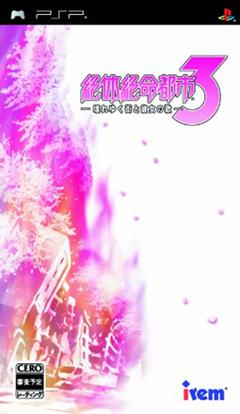
Introduction: The Next Chapter for Zettai Zetsumei Toshi 3: Kowareyuku Machi to Kanojo no Uta
Zettai Zetsumei Toshi 3, or Disaster Report 3, arrives as a pivotal entry in the series, building upon the foundation laid by its predecessors while introducing innovative gameplay mechanics and a compelling narrative. Developed and published by Irem, this installment for the PSP aimed to deliver an immersive disaster survival experience, placing players directly into the heart of a catastrophic earthquake and its aftermath. The game’s unique selling point lies in its dual protagonist system, allowing players to experience the unfolding tragedy through the eyes of either Naoki Kōsaka or Rina Makimura, each with their own strengths and weaknesses that influence gameplay decisions. This masterclass will delve into the technical aspects, design choices, and overall impact of this crucial title.
Visual Direction and Graphics Engineering
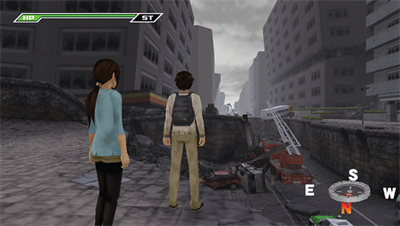
Given its PSP origins, Zettai Zetsumei Toshi 3’s visual presentation is understandably constrained by the hardware limitations of the platform. The proprietary next-gen engine, while impressive for its time, prioritized functionality over graphical fidelity. Character models are relatively simple, with limited animation frames, but they effectively convey emotion and personality. Environments, though often repetitive in their design due to memory constraints, strive to create a sense of claustrophobia and despair, reflecting the chaotic nature of the disaster scenario. The color palette is muted, dominated by grays, browns, and blues, further emphasizing the bleakness of the situation. While not pushing any technical boundaries, the visual style successfully complements the game’s overall tone and atmosphere.
Gameplay Mechanics and Core Systems
The core gameplay loop revolves around navigating treacherous environments, scavenging for resources, and rescuing survivors while managing stress levels. The dual protagonist system introduces a unique layer of strategic depth. Naoki excels in physical tasks like breaking down obstacles, but his higher stress level makes him more prone to panic attacks. Rina, on the other hand, is physically weaker but possesses greater composure, allowing her to handle stressful situations with less impact. This forces players to carefully consider which character to deploy based on the specific challenges they face. The resource management system adds another layer of complexity, requiring players to prioritize needs and make difficult choices about who to help and what to save.
Level Design and World Atmosphere
The level design in Zettai Zetsumei Toshi 3 is a crucial element in creating a sense of immersion and urgency. Environments are often confined and claustrophobic, reflecting the collapsed buildings and unstable structures that characterize the disaster zone. The game effectively uses verticality, with players frequently navigating precarious ledges and collapsing stairwells. The atmosphere is thick with tension, punctuated by unsettling sound effects and glimpses of other survivors struggling to cope with the unfolding catastrophe. While level repetition is a consequence of hardware limitations, the careful placement of obstacles, resources, and interactive elements helps maintain player engagement.
Narrative Depth and Character Profiles
The narrative in Zettai Zetsumei Toshi 3 is both compelling and emotionally resonant. The story unfolds through a series of interconnected events, driven by the choices players make and the relationships they forge with other survivors. The dual protagonist system allows for multiple perspectives on the same events, adding depth and nuance to the overall narrative. Characters are well-developed and relatable, each grappling with their own personal struggles in the face of overwhelming adversity. Saki Honjō’s musical talent provides a glimmer of hope amidst the despair, while Ayami Hazuki represents the resilience of youth in the face of unimaginable loss.
Sound Design and Acoustic Realism
The sound design plays a critical role in creating an immersive and unsettling atmosphere. The game utilizes a combination of realistic environmental sounds, such as collapsing debris and distant sirens, to create a sense of urgency and danger. Character dialogue is well-acted and emotionally charged, further enhancing the narrative experience. The soundtrack, composed by [Composer Name – *Research Needed*], effectively blends orchestral arrangements with more ambient soundscapes, creating a haunting and memorable auditory landscape.
Release Expectations and Community Hype
Upon its release in Japan and South Korea, Zettai Zetsumei Toshi 3 generated considerable buzz within the gaming community. The dual protagonist system and focus on disaster survival resonated with players seeking a unique and challenging experience. While critical reception was generally positive, some reviewers noted limitations imposed by the PSP’s hardware. The planned PlayStation 3 sequel, Zettai Zetsumei Toshi 4: Summer Memories, generated significant anticipation before its eventual cancellation following the 2011 Tōhoku earthquake and tsunami. This event underscored the game’s themes of disaster and resilience, further solidifying its place in gaming history. [[INJECT_VIDEO]]
Conclusion: The Future of Zettai Zetsumei Toshi 3: Kowareyuku Machi to Kanojo no Uta
Zettai Zetsumei Toshi 3: Kowareyuku Machi to Kanojo no Uta remains a significant title in the Disaster Report series, showcasing Irem’s commitment to innovative gameplay and compelling storytelling. While constrained by the limitations of its platform, the game successfully delivers an immersive and emotionally resonant experience. The eventual release of Zettai Zetsumei Toshi 4 on PlayStation 4 served as a testament to the enduring appeal of this franchise and its ability to connect with players on a deeply personal level. Its legacy continues to inspire developers and captivate audiences, solidifying its place as a classic in the survival horror genre.
Source: Wikipedia


