Introduction: The Next Chapter for World in Conflict
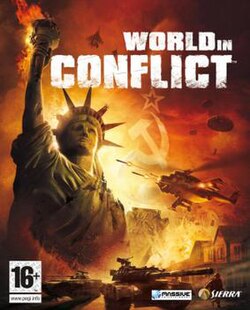
World in Conflict, a real-time tactics game developed by Massive Entertainment and published by Vivendi Games, emerged in 2007 as a critical darling. Often hailed as the spiritual successor to Ground Control, also from Massive Entertainment, it carved its own niche, despite being marketed broadly as an RTS title. The game’s alternate history setting, where the Soviet Union invades Western Europe in 1989, provides a compelling backdrop for intense tactical engagements. This deep-dive review will explore every facet of World in Conflict, from its groundbreaking engine to its immersive atmosphere and enduring legacy.
Visual Direction and Graphics Engineering
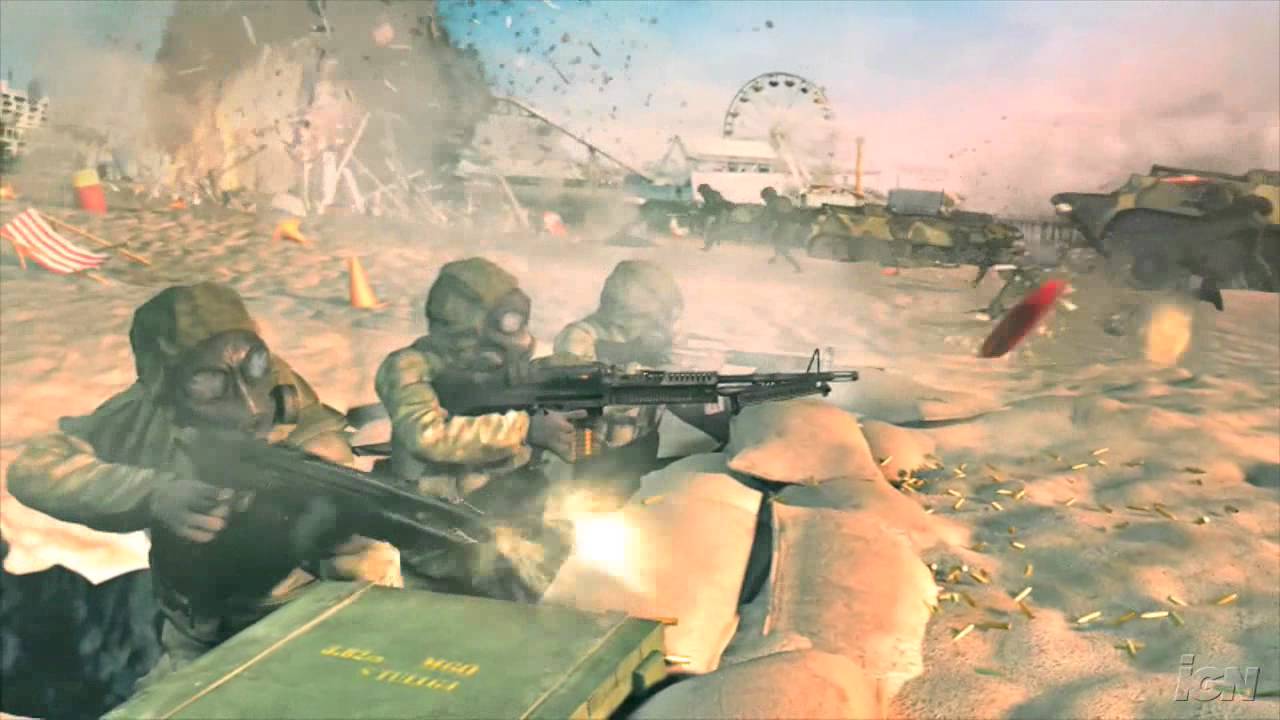
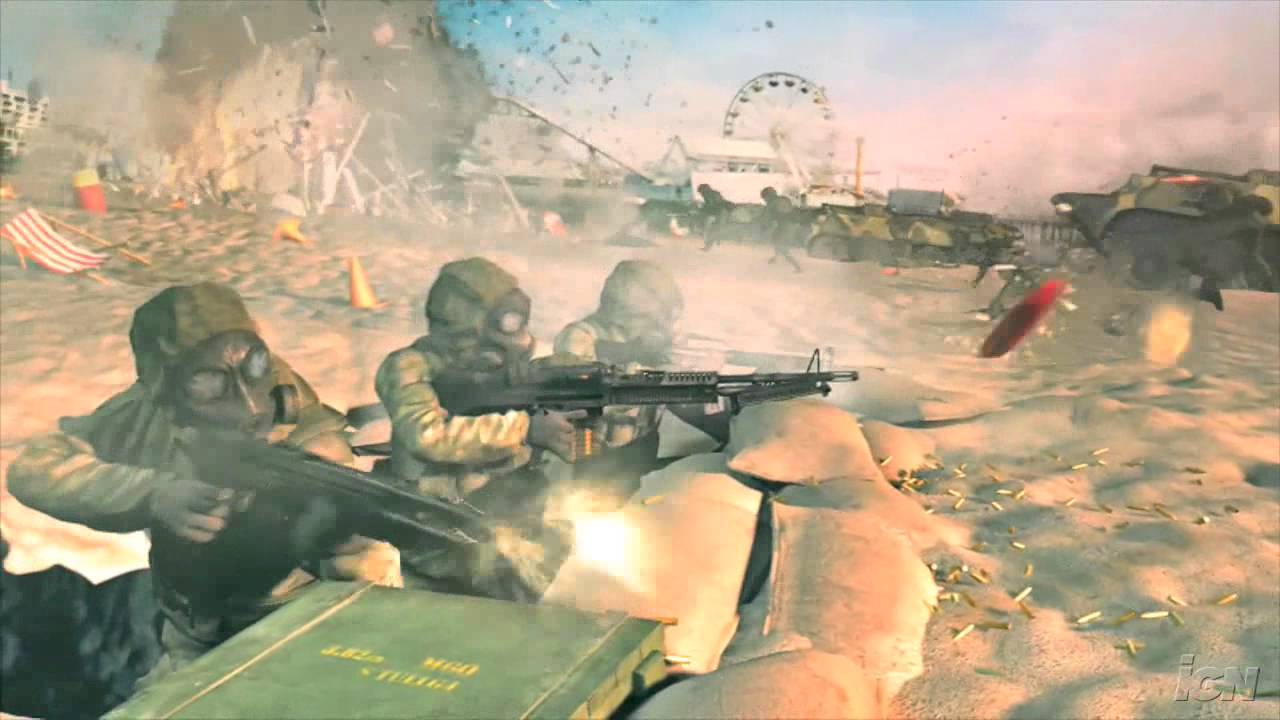
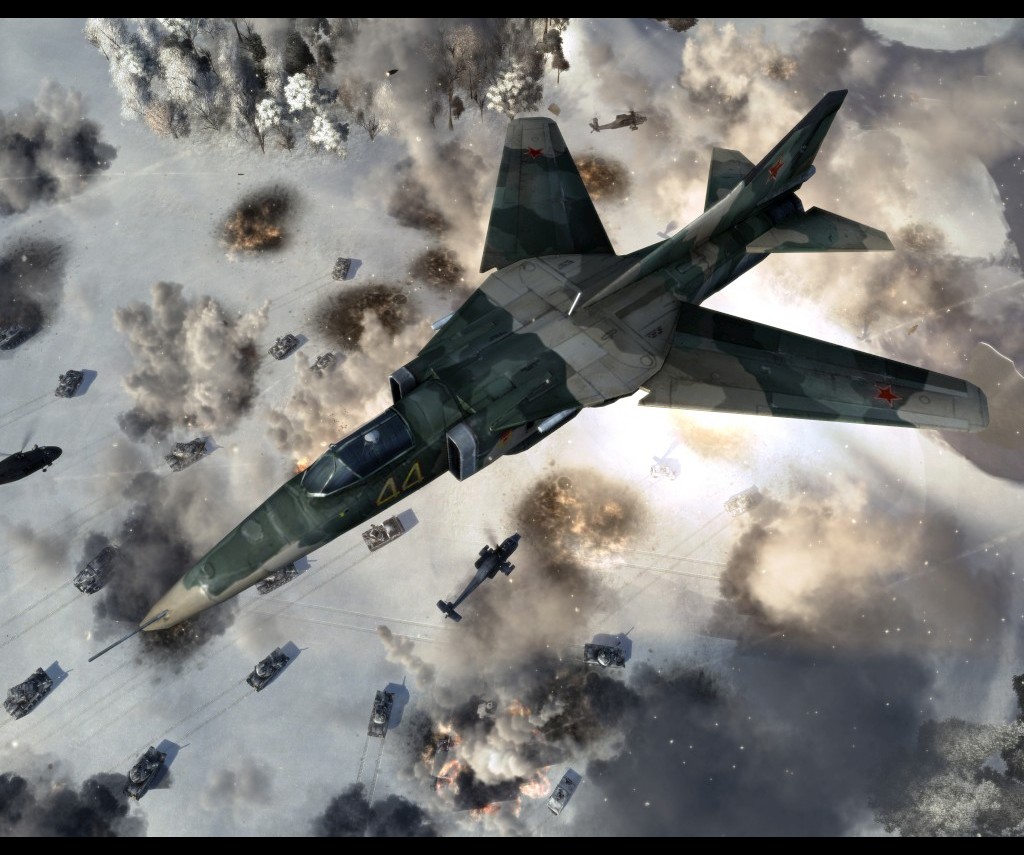
World in Conflict leverages the MassTech Game Engine, built upon a foundation that includes Havok physics. While not pushing graphical boundaries by today’s standards, the game boasts a distinctive visual style characterized by dynamic lighting, detailed unit models, and impressive environmental effects. The use of particle systems creates realistic explosions and smoke plumes, adding to the visceral impact of combat. The developers prioritized clarity and readability on the battlefield, ensuring that players could easily identify units and objectives amidst the chaos.
Gameplay Mechanics and Core Systems
The core gameplay revolves around commanding battalions of US and NATO forces in real-time battles. Players must strategically deploy units, utilize cover, and manage resources to overcome enemy opposition. A key feature is the “Support System,” which allows players to call in artillery strikes, air support, and other reinforcements to turn the tide of battle. The game’s AI is generally considered competent, providing a challenging experience for both novice and experienced players.
Level Design and World Atmosphere
World in Conflict features a diverse range of environments, from the urban landscapes of Seattle to the vast plains of Russia. Each map is meticulously crafted to provide strategic opportunities and challenges. The game’s atmosphere is enhanced by dynamic weather effects, ambient sounds, and period-appropriate music. The level design encourages tactical thinking and rewards players who can effectively utilize cover and flanking maneuvers.
Narrative Depth and Character Profiles
While the gameplay takes center stage, World in Conflict also features a compelling narrative that unfolds through cutscenes and radio chatter. Players assume the role of a US Army officer tasked with defending against the Soviet invasion. The story explores themes of Cold War tensions, political intrigue, and the human cost of war. While not deeply character-driven, the game provides enough context to create an engaging experience.
Sound Design and Acoustic Realism
The sound design in World in Conflict is exceptional, contributing significantly to the game’s immersive atmosphere. Realistic weapon sounds, explosions, and environmental effects create a visceral sense of being on the battlefield. The soundtrack, composed by Jesper Kyd, perfectly complements the game’s tone, ranging from tense orchestral pieces to adrenaline-pumping action themes.
Release Expectations and Community Hype
Upon its release in 2007, World in Conflict was met with widespread critical acclaim. Its unique blend of real-time tactics and strategic gameplay resonated with players seeking a more tactical experience than traditional RTS games offered. The game’s expansion pack, “Soviet Assault,” further expanded the content and added new units and scenarios, extending its lifespan and solidifying its place as a cult classic.
Conclusion: The Future of World in Conflict
World in Conflict remains a testament to the power of innovative gameplay and immersive design. While it may not have achieved mainstream success, its influence can be seen in subsequent real-time tactics games. Its enduring popularity among dedicated fans speaks volumes about its quality and replayability. Whether you’re a seasoned RTS veteran or new to the genre, World in Conflict offers a unique and rewarding experience that is well worth exploring.
Source: Wikipedia


