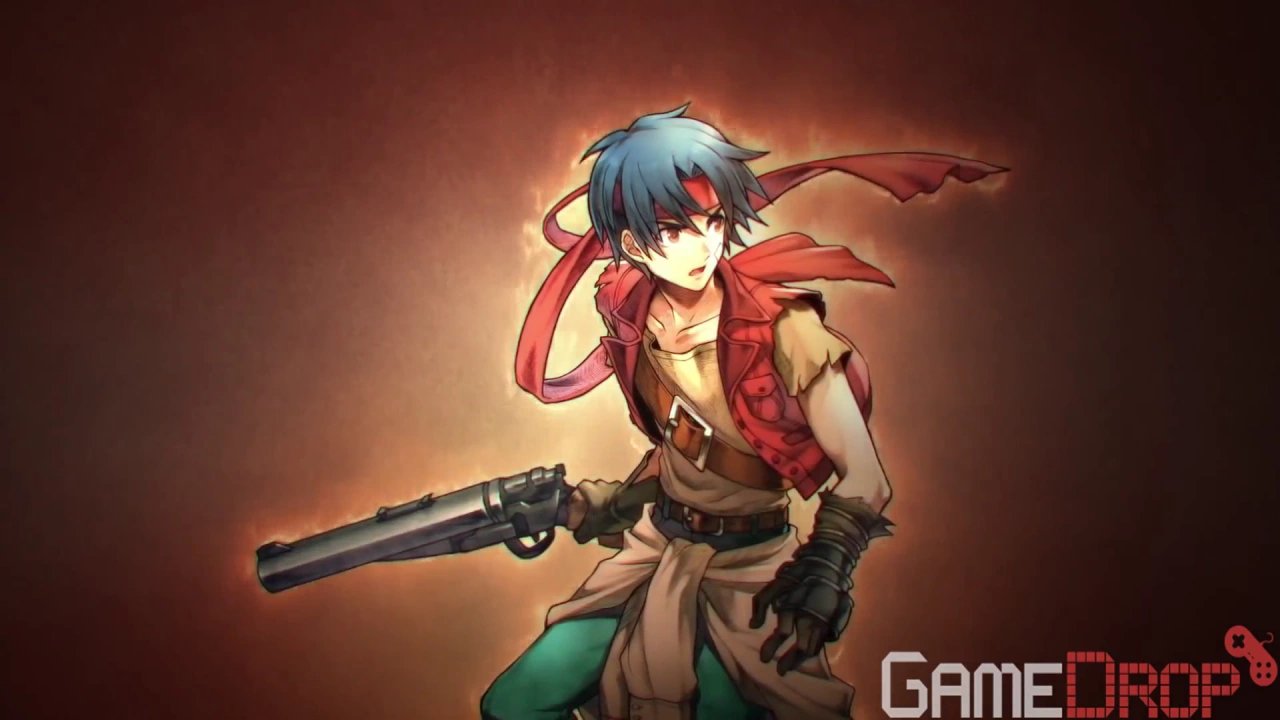
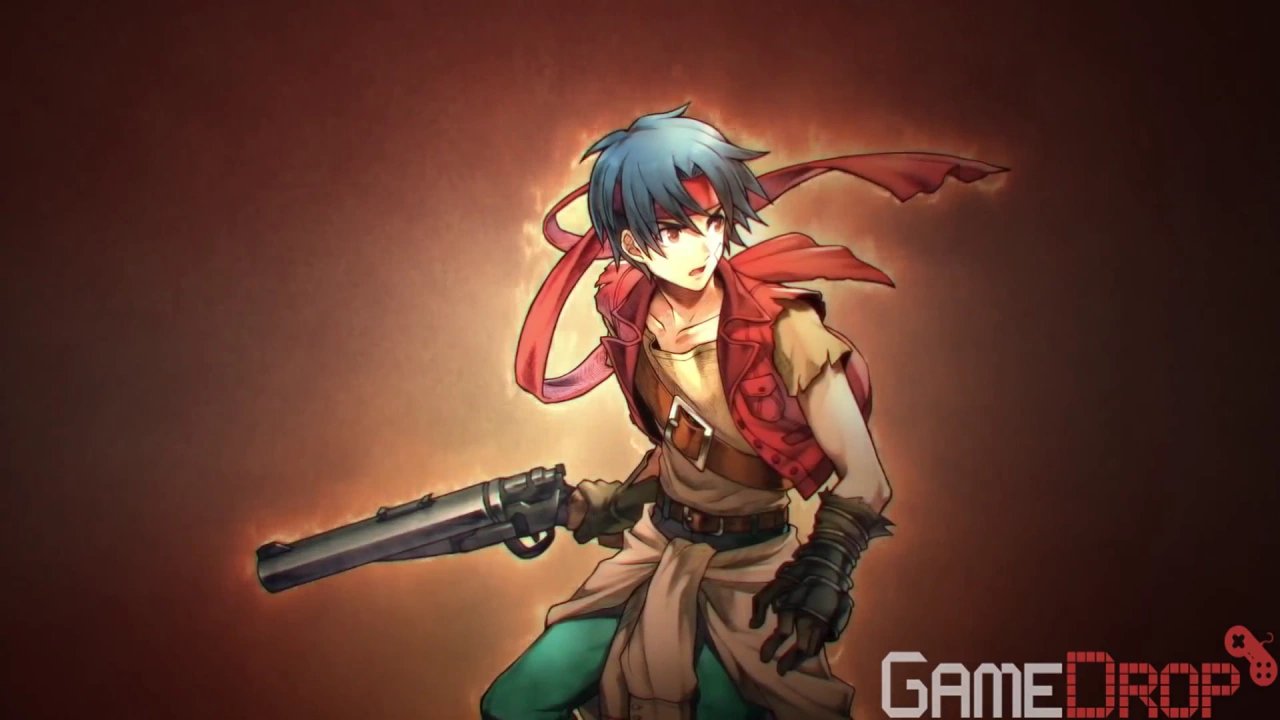
Introduction: The Next Chapter for Wild Arms 3
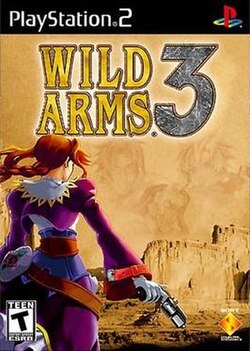
Wild Arms 3, a cornerstone title in the beloved RPG series, arrived on the PlayStation 3 as a testament to Media.Vision’s dedication to crafting immersive and engaging experiences. Developed by Media.Vision and published by Sony Computer Entertainment (with Ubi Soft handling European distribution), this installment built upon the foundations laid by its predecessors while introducing innovative gameplay mechanics and a captivating narrative. Released in Japan and North America in 2002, followed by a European release in 2003, Wild Arms 3 quickly garnered critical acclaim for its unique blend of Western aesthetics, JRPG elements, and a touch of steampunk flair. The later PS4 re-release further cemented its legacy, introducing it to a new generation of gamers.
Visual Direction and Graphics Engineering
Wild Arms 3 distinguished itself with its distinctive visual style, blending the familiar charm of previous entries with enhanced graphical capabilities. While constrained by the limitations of the PlayStation 2 hardware, Media.Vision managed to create a visually appealing world filled with vibrant colors and detailed character designs. The game’s environments ranged from sprawling deserts to lush forests, each meticulously crafted to evoke a sense of wonder and adventure. The use of pre-rendered backgrounds was common for the era, allowing for intricate details that would have been impossible to achieve with fully polygonal rendering. While the character models themselves were relatively simple by modern standards, their expressive animations brought them to life, conveying a wide range of emotions and adding depth to the storytelling.
Gameplay Mechanics and Core Systems
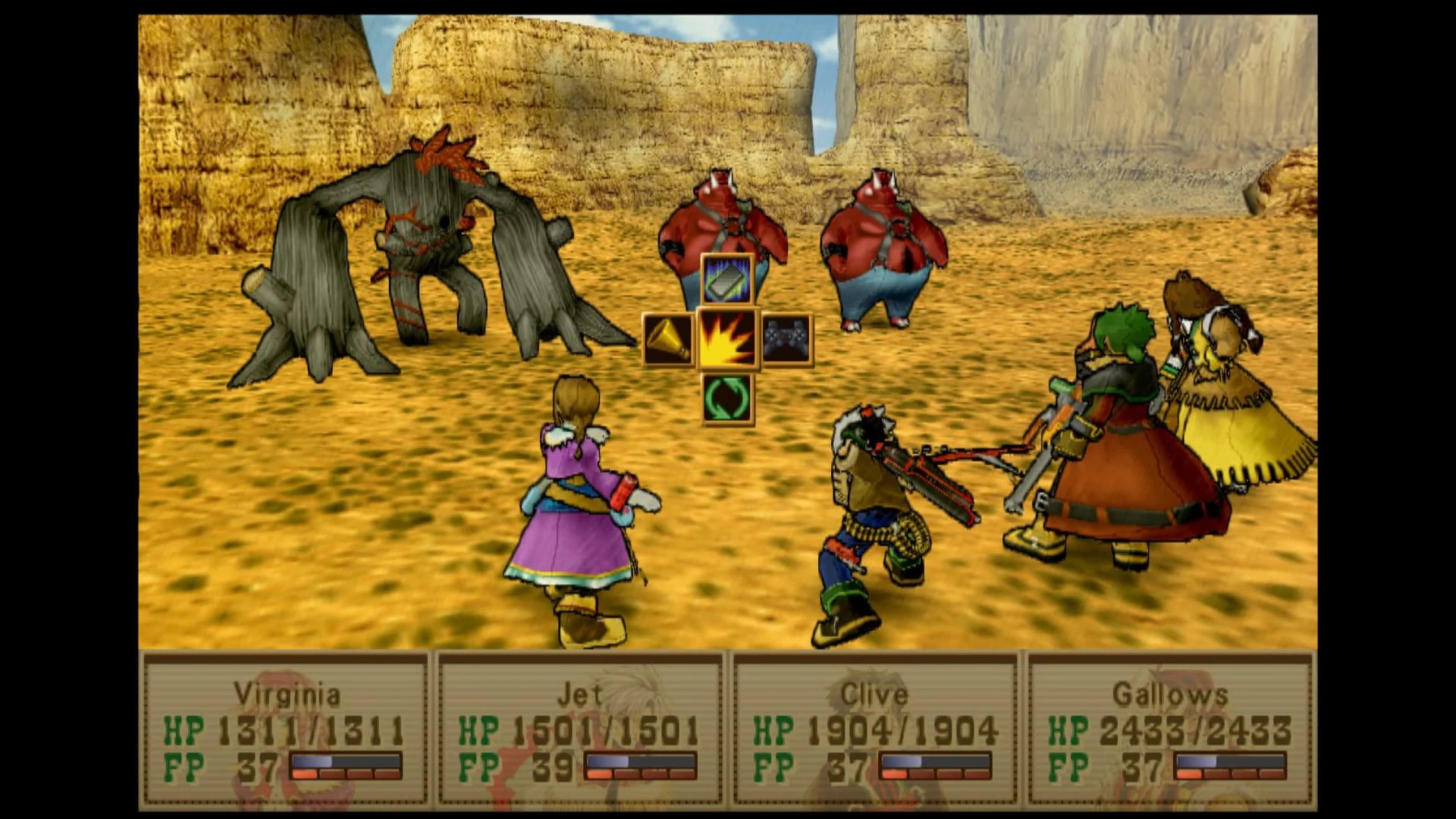
Wild Arms 3 introduced several key gameplay innovations that set it apart from its predecessors. The most notable change was the introduction of ARMs (magical firearms) for all party members, allowing for greater flexibility in combat strategies. The removal of traditional equippable armor and weapons, replaced by Personal Skills invoked through Guardian interactions, added a layer of customization and strategic depth. Combat itself remained turn-based but benefited from enhanced animations and the ability for characters to run during battles, adding a sense of dynamism. The battle graphics retained familiar background effects, providing a visual link to previous games while offering improvements in character models and animations.
Level Design and World Atmosphere
The world of Filgaia, with its blend of Western motifs and fantastical elements, was brought to life through meticulously crafted level designs. From the arid deserts to the dense forests, each environment felt unique and immersive. The game’s level design encouraged exploration, rewarding players with hidden treasures, challenging encounters, and breathtaking vistas. The use of pre-rendered backgrounds allowed for intricate details that would have been impossible to achieve with fully polygonal rendering, creating a sense of depth and realism.
Narrative Depth and Character Profiles
Wild Arms 3’s narrative is a compelling tale of adventure, mystery, and self-discovery. The story follows Virginia Maxwell, an amateur Drifter searching for excitement on Filgaia. Her journey intertwines with those of other Drifters as they uncover a plot that threatens the planet’s ancient history. The characters are well-developed and relatable, each with their own motivations and backstories. Their interactions drive the narrative forward, creating a sense of camaraderie and emotional investment.
Sound Design and Acoustic Realism
The game’s soundtrack, composed by Michiko Naruke, is an integral part of its immersive experience. The music seamlessly blends orchestral arrangements with Western-inspired melodies, creating a unique and memorable soundscape. The sound effects are equally well-crafted, adding depth and realism to the gameplay. From the clatter of swords to the roar of monsters, every sound contributes to the overall atmosphere.
Release Expectations and Community Hype
Upon its initial release, Wild Arms 3 was met with high expectations from fans of the series. The promise of new gameplay mechanics, a compelling narrative, and stunning visuals generated significant buzz within the gaming community. The game largely delivered on these promises, earning critical acclaim for its innovative features and captivating story. The later PS4 re-release further amplified this excitement, introducing the game to a new generation of players eager to experience the magic of Filgaia.
Conclusion: The Future of Wild Arms 3
Wild Arms 3 stands as a testament to Media.Vision’s commitment to crafting memorable and engaging RPG experiences. Its innovative gameplay mechanics, compelling narrative, and stunning visuals have solidified its place as a beloved classic in the genre. While the game may show its age by modern standards, its timeless appeal continues to resonate with players of all ages. The PS4 re-release ensures that Wild Arms 3 will continue to be enjoyed for years to come, preserving its legacy as one of the most innovative and captivating RPGs ever created.
Source: Wikipedia


