Introduction: The Next Chapter for Wii Sports
Wii Sports, released in 1995, wasn’t just a game; it was a cultural phenomenon. Bundled with the revolutionary Nintendo Wii console, it served as both an introduction to motion controls and a showcase of what interactive gaming could be. More than just a collection of mini-games, Wii Sports redefined how families interacted with technology, fostering a sense of shared experience previously unheard of in the gaming world. Its impact resonated far beyond sales figures, influencing game design philosophies for years to come.
Visual Direction and Graphics Engineering
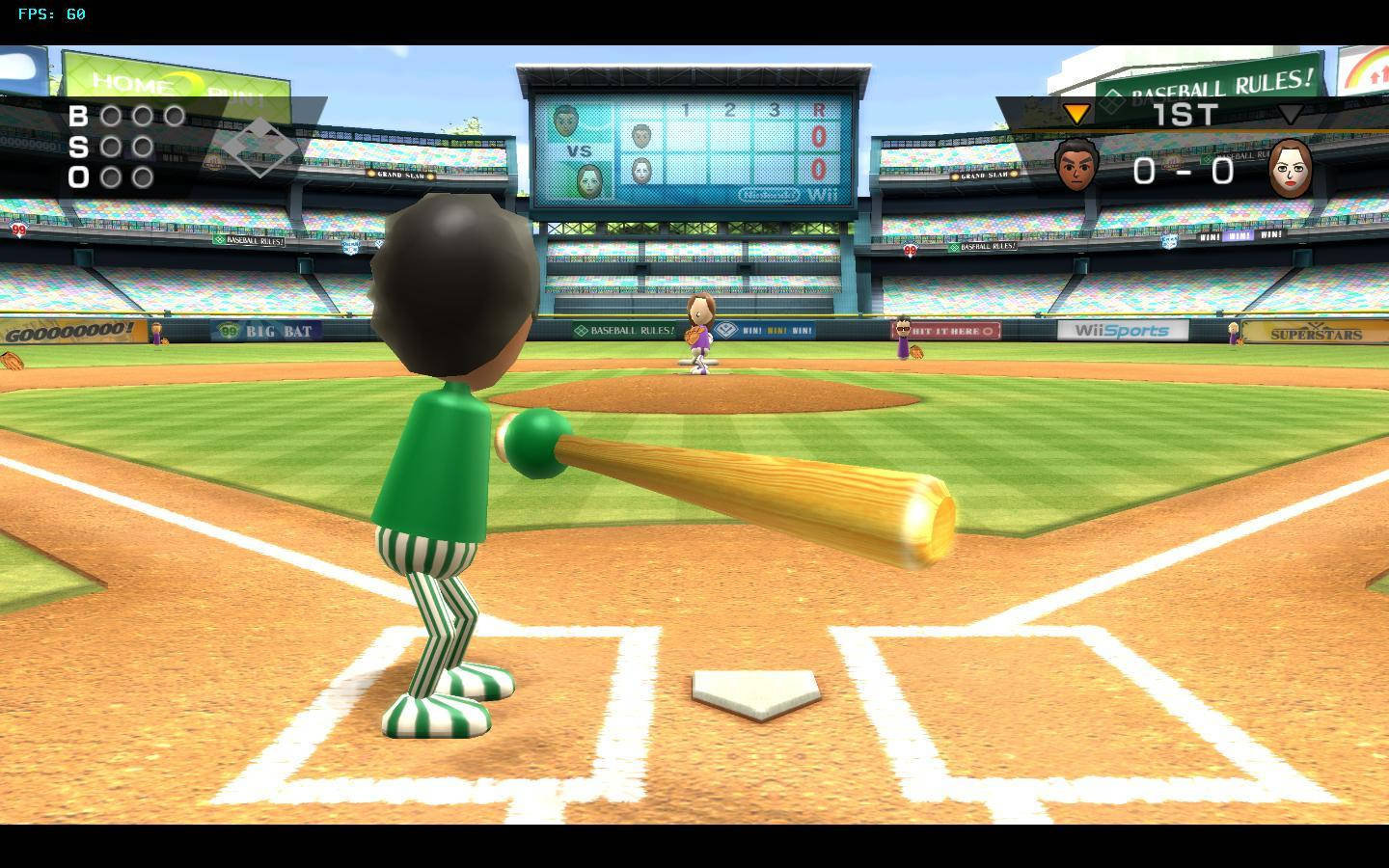
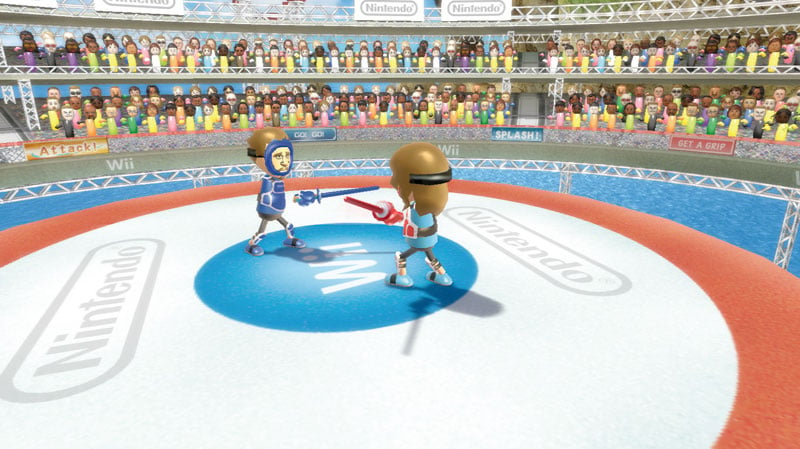
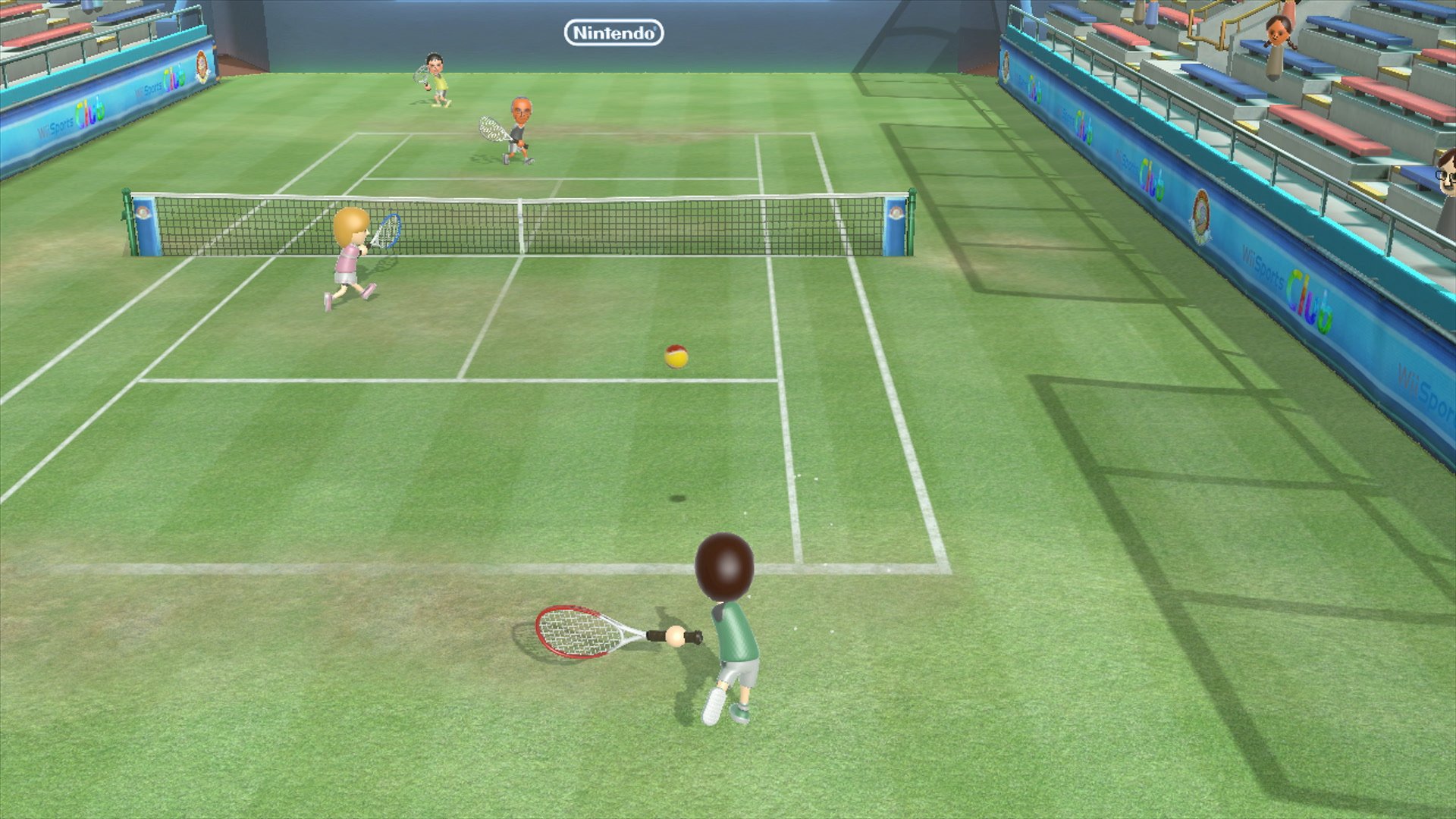
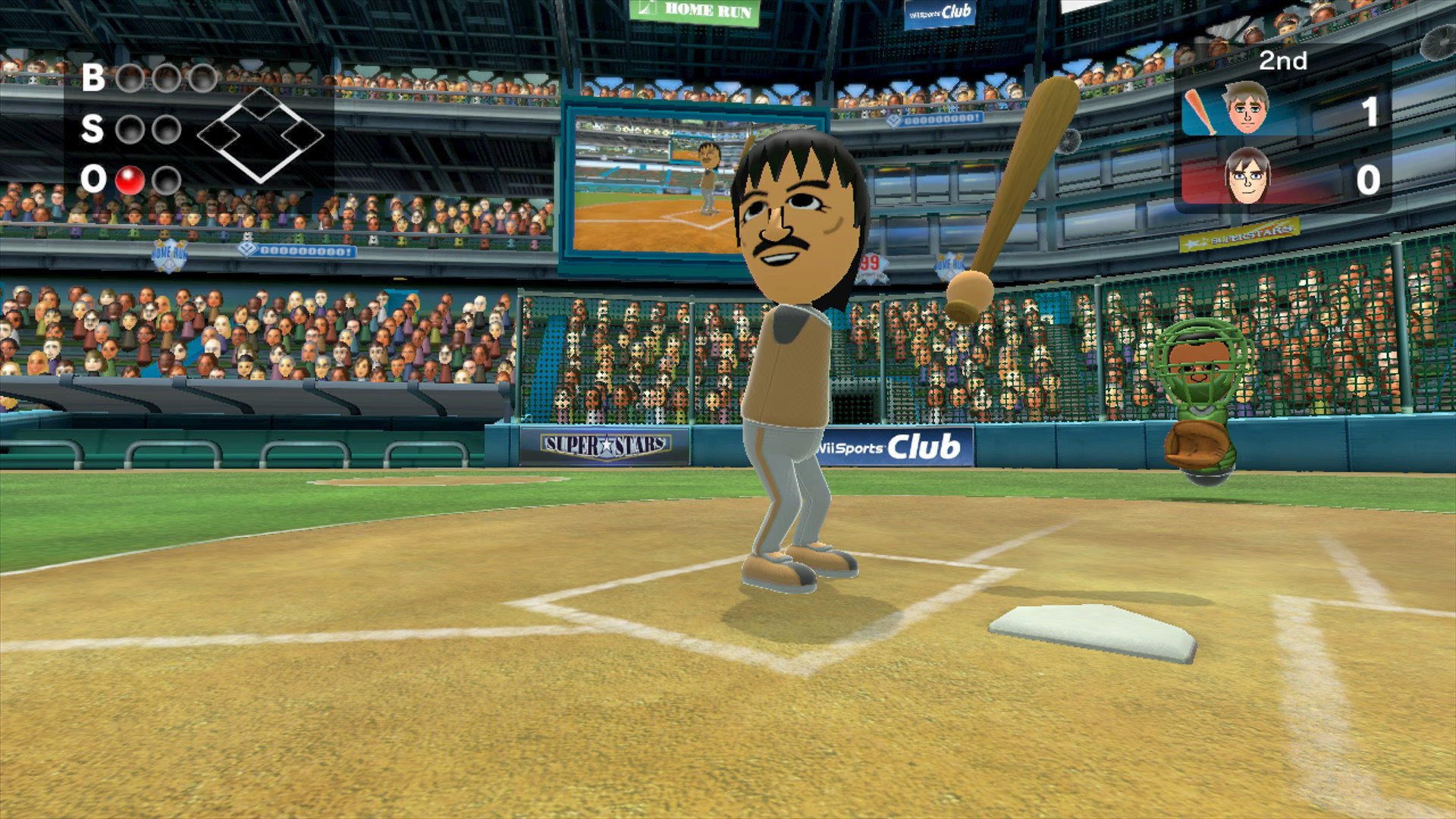
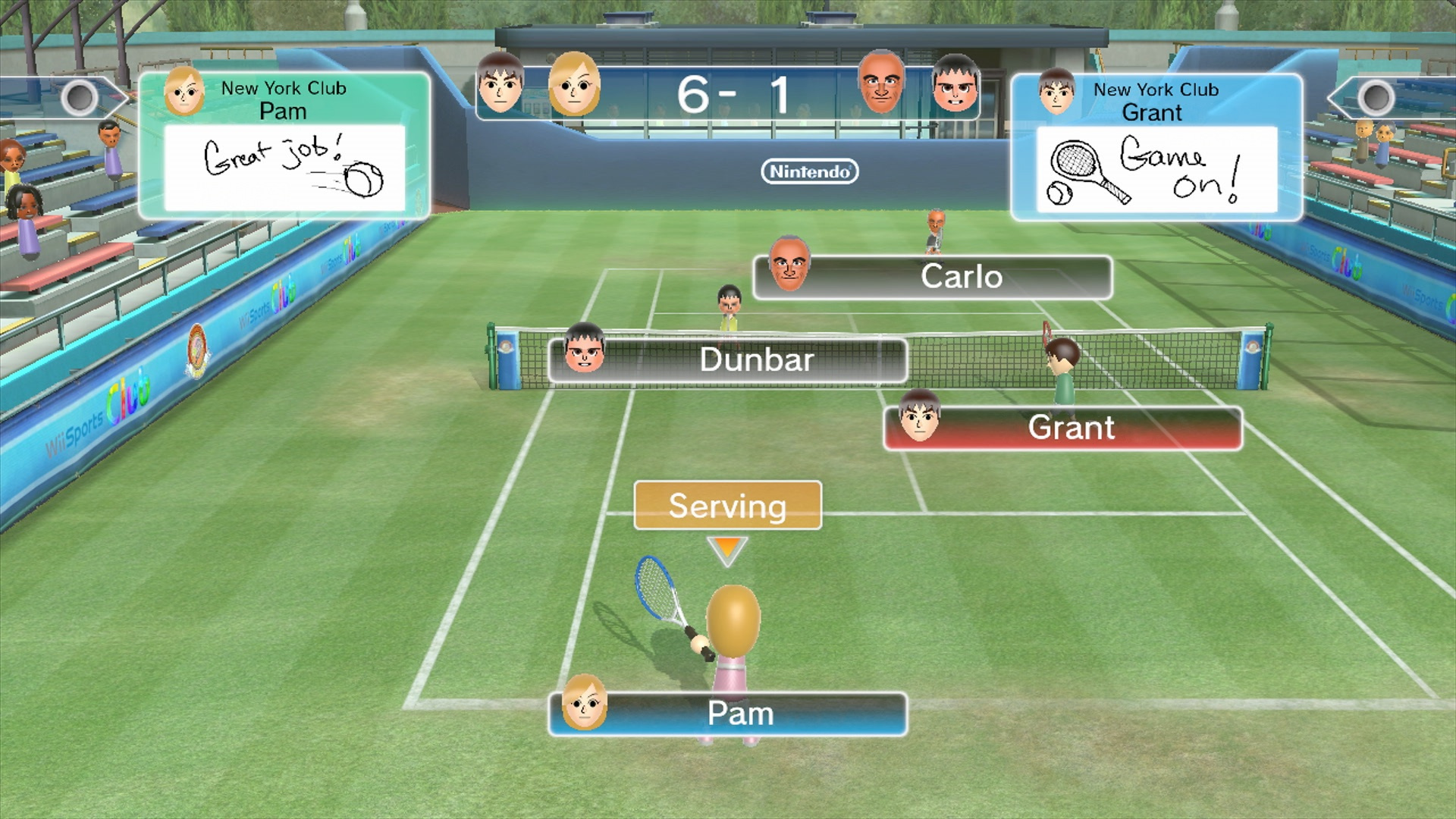
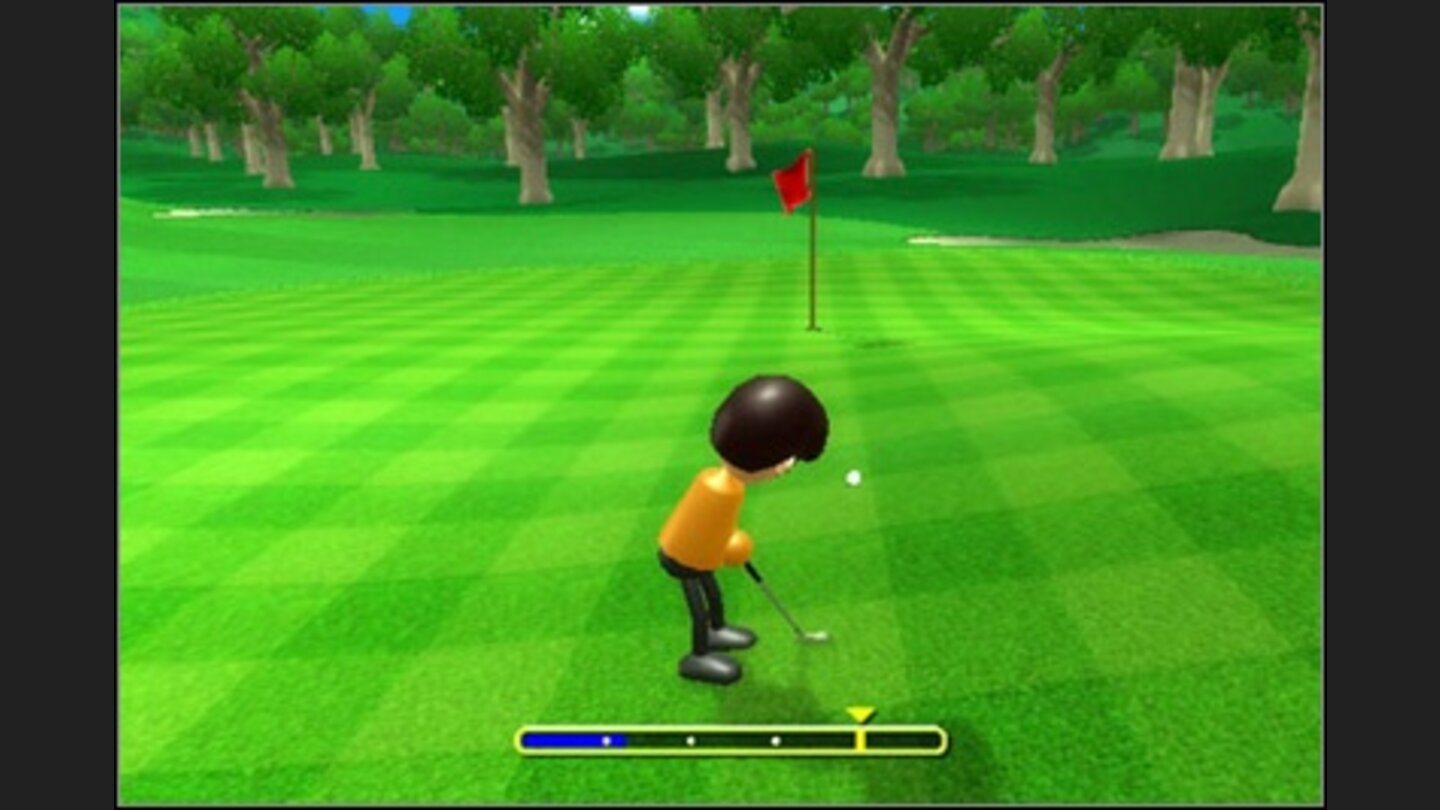
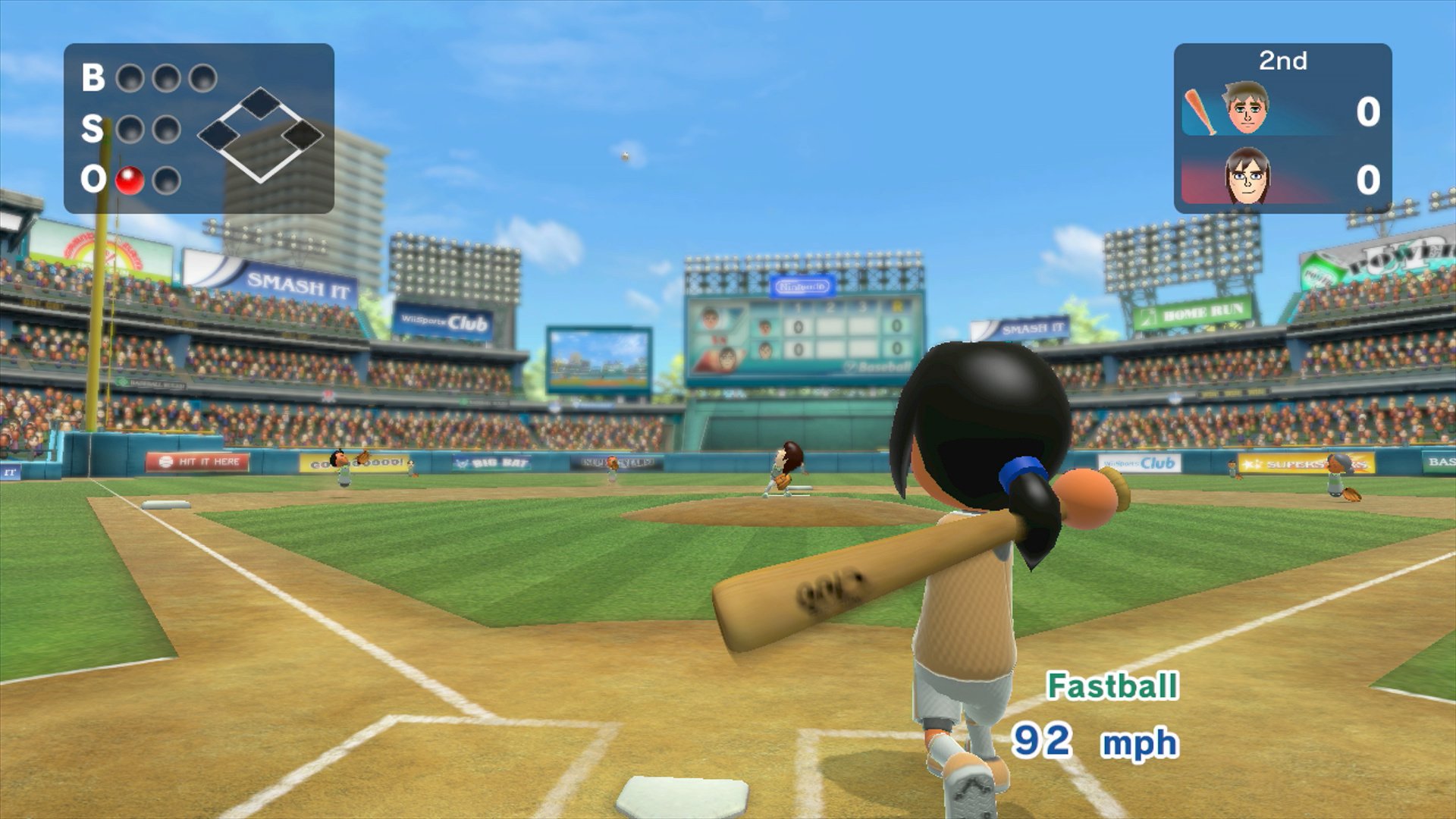
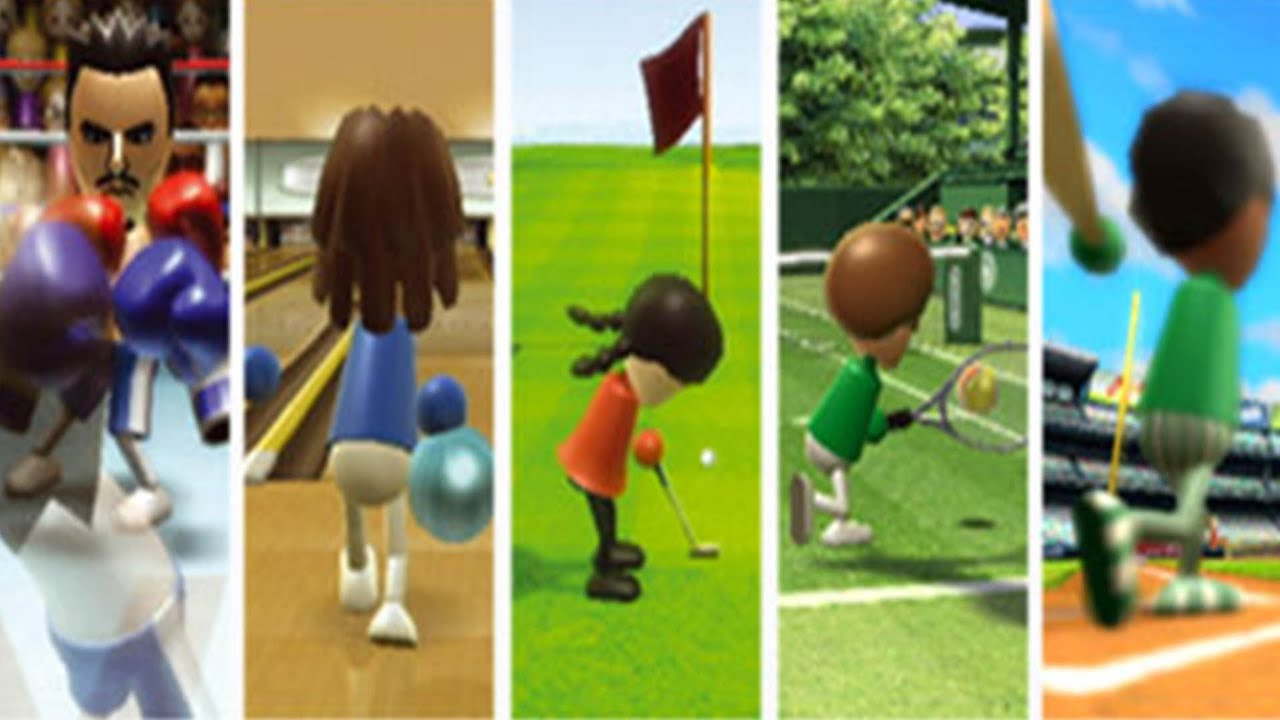
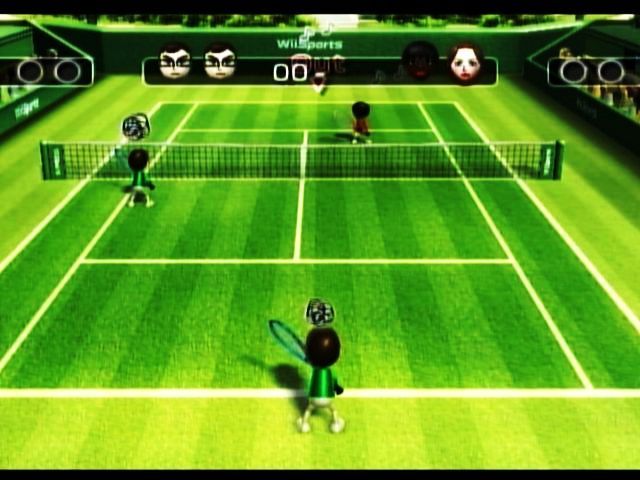
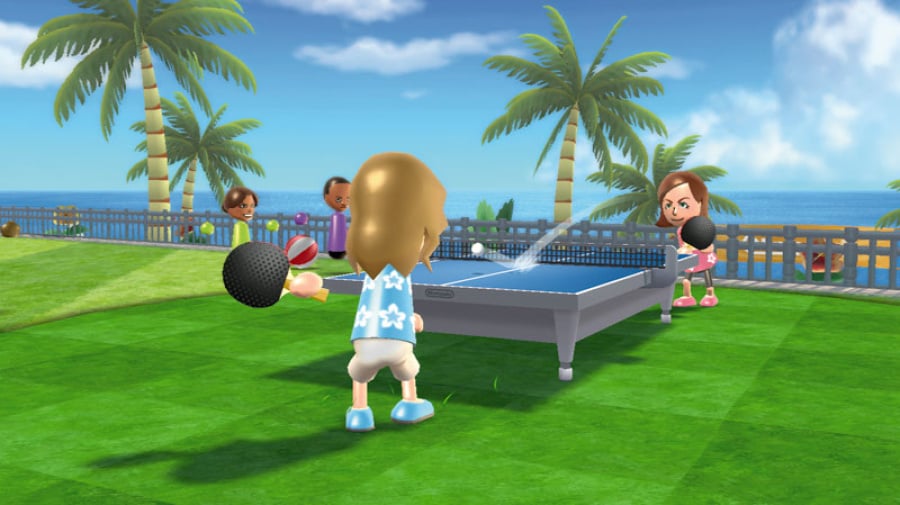
While not pushing graphical boundaries by today’s standards, Wii Sports employed a deliberately simplistic art style that prioritized clarity and ease of use. The character models, though basic, were expressive enough to convey emotion during gameplay. This visual approach was crucial in ensuring accessibility for players of all ages and skill levels. The game leveraged the Wii’s processing power to create a stable frame rate, a critical factor in maintaining responsiveness during motion-controlled actions.
Gameplay Mechanics and Core Systems
The core gameplay mechanics were elegantly simple yet surprisingly deep. Each sport utilized the Wii Remote’s accelerometer and infrared sensor to translate player movements into on-screen actions. The intuitive controls made it easy for anyone to pick up and play, while subtle nuances in movement could be mastered by more dedicated players. The game also featured a robust training mode that helped players understand the intricacies of each sport.
Level Design and World Atmosphere
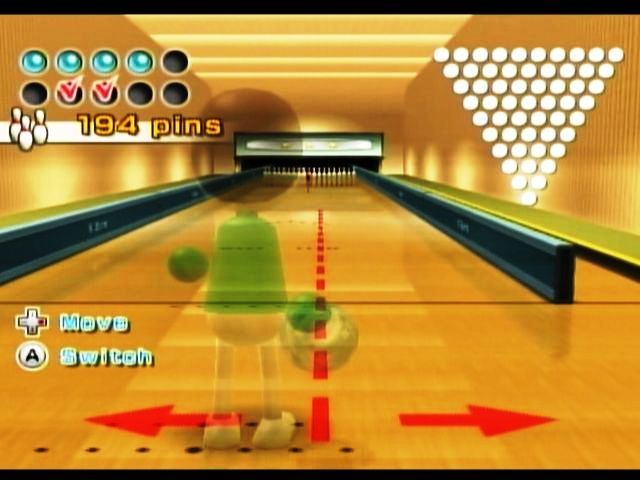
Wii Sports didn’t feature expansive worlds or intricate level designs. Instead, it focused on creating believable representations of familiar sporting environments. Whether it was the tennis court, the baseball field, or the bowling alley, each location felt authentic and inviting. This focus on realism helped to immerse players in the experience and make them feel like they were actually participating in real-world sports.
Narrative Depth and Character Profiles
Wii Sports wasn’s a narrative-driven game, but it did feature a cast of recognizable Mii characters that added personality to the experience. Players could customize their Miis to represent themselves or create entirely new personas. These customizable avatars allowed players to express their individuality and connect with the game on a more personal level.
Sound Design and Acoustic Realism
The sound design in Wii Sports was carefully crafted to enhance the sense of immersion. The sounds of tennis rackets hitting balls, baseball bats connecting with pitches, and bowling pins scattering across the lanes all contributed to the overall realism of the experience. The game also featured a lively soundtrack that added energy and excitement to the gameplay.
Release Expectations and Community Hype
The release of Wii Sports was met with immense anticipation. Bundled with the highly anticipated Wii console, it served as both an introduction to motion controls and a showcase of what interactive gaming could be. The game quickly became a cultural phenomenon, attracting players of all ages and skill levels. Its success helped to solidify the Wii’s position as one of the most innovative and popular consoles of its generation.
Conclusion: The Future of Wii Sports
Wii Sports was more than just a collection of mini-games; it was a cultural phenomenon that redefined how families interacted with technology. Its success helped to solidify the Wii’s position as one of the most innovative and popular consoles of its generation, and its influence can still be seen in game design today. While sequels and spiritual successors have emerged over the years, none have quite captured the magic of the original.

Source: Wikipedia