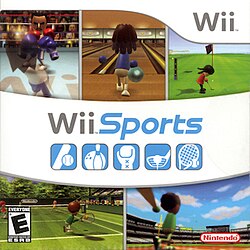
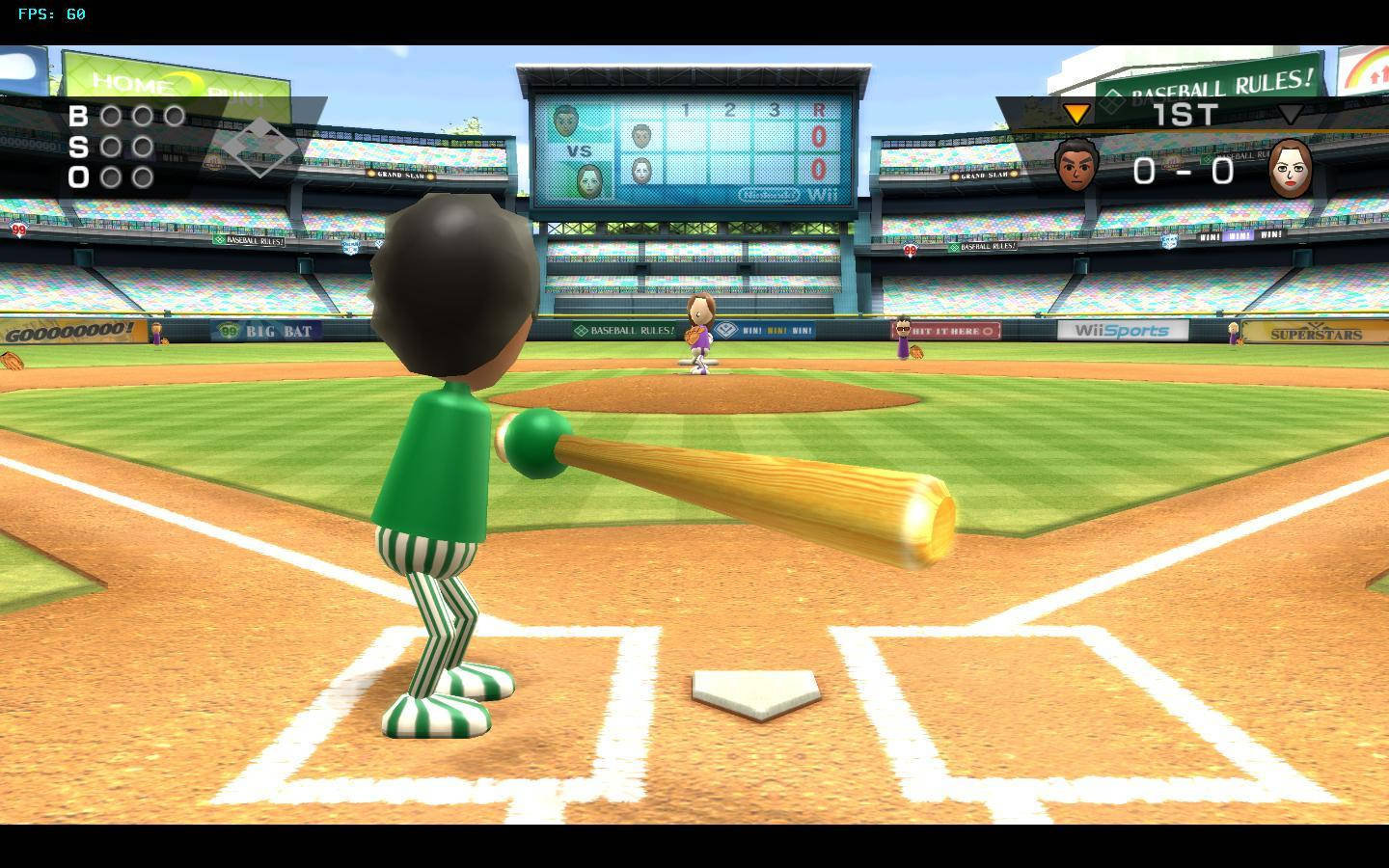
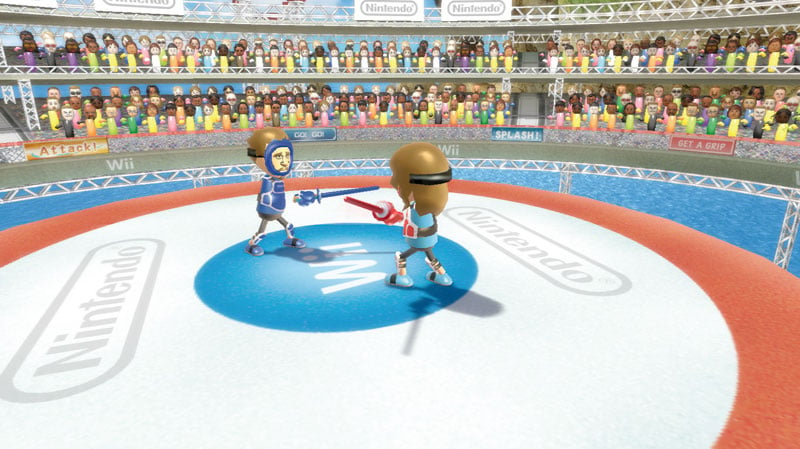
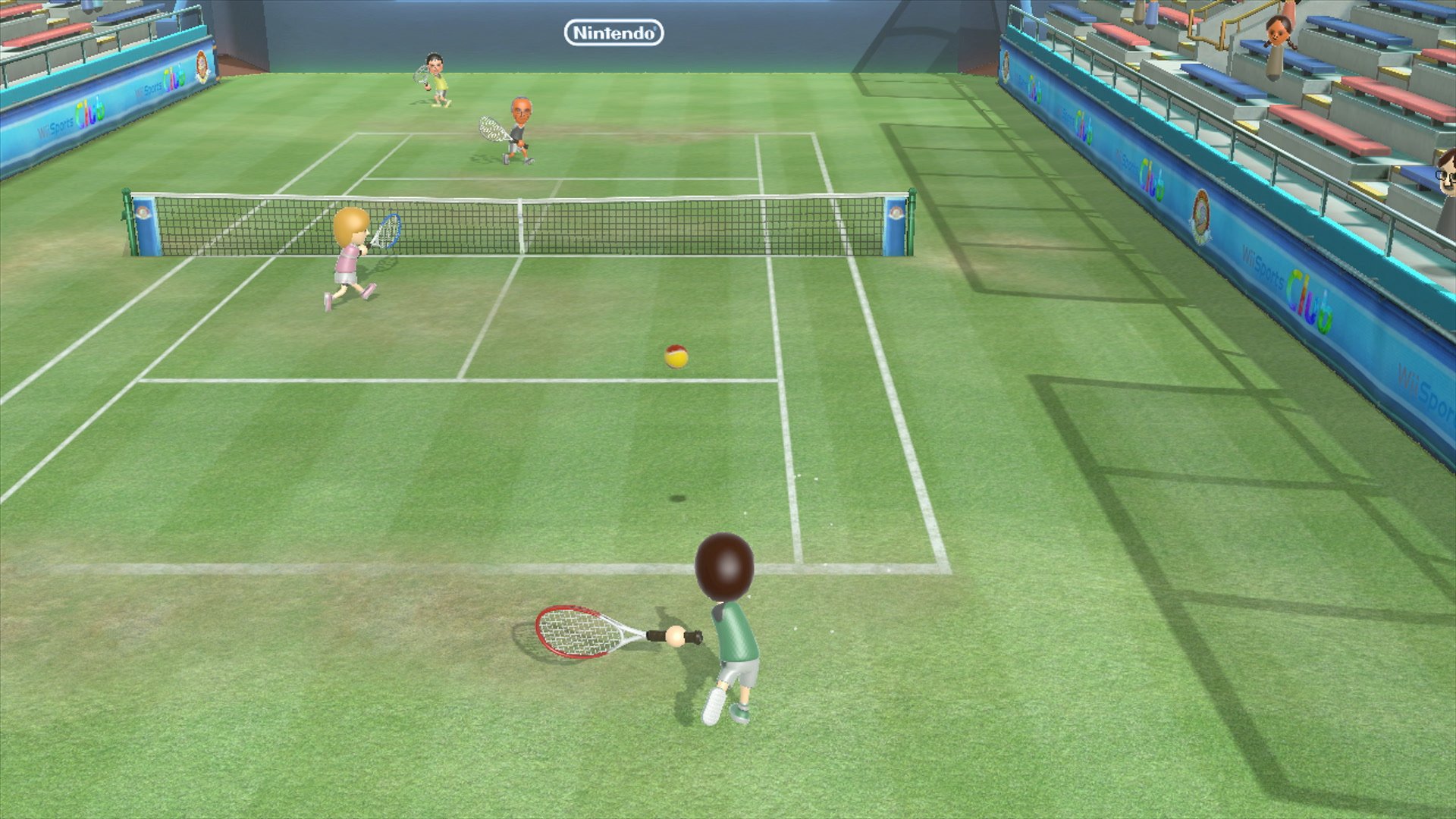
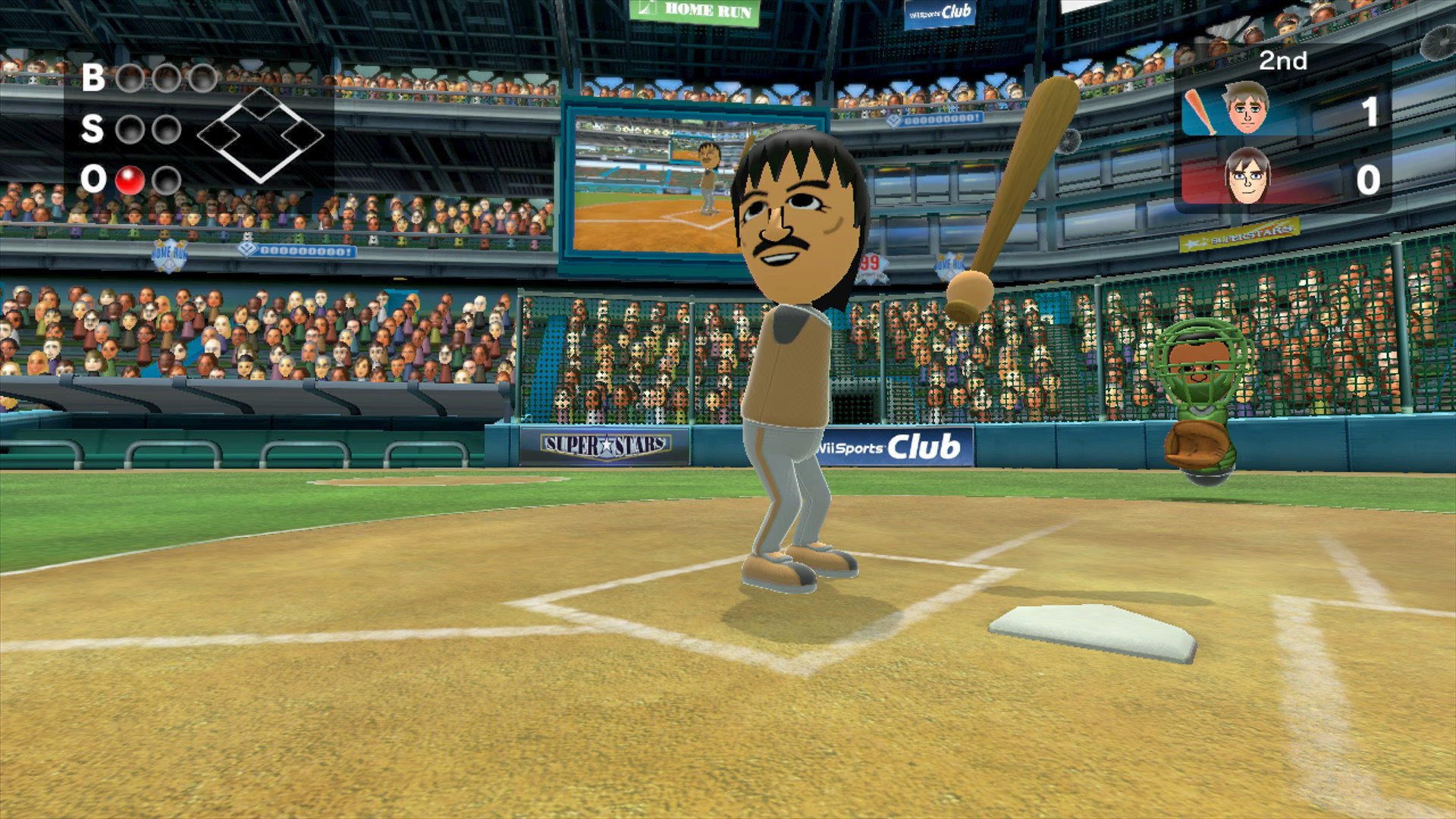
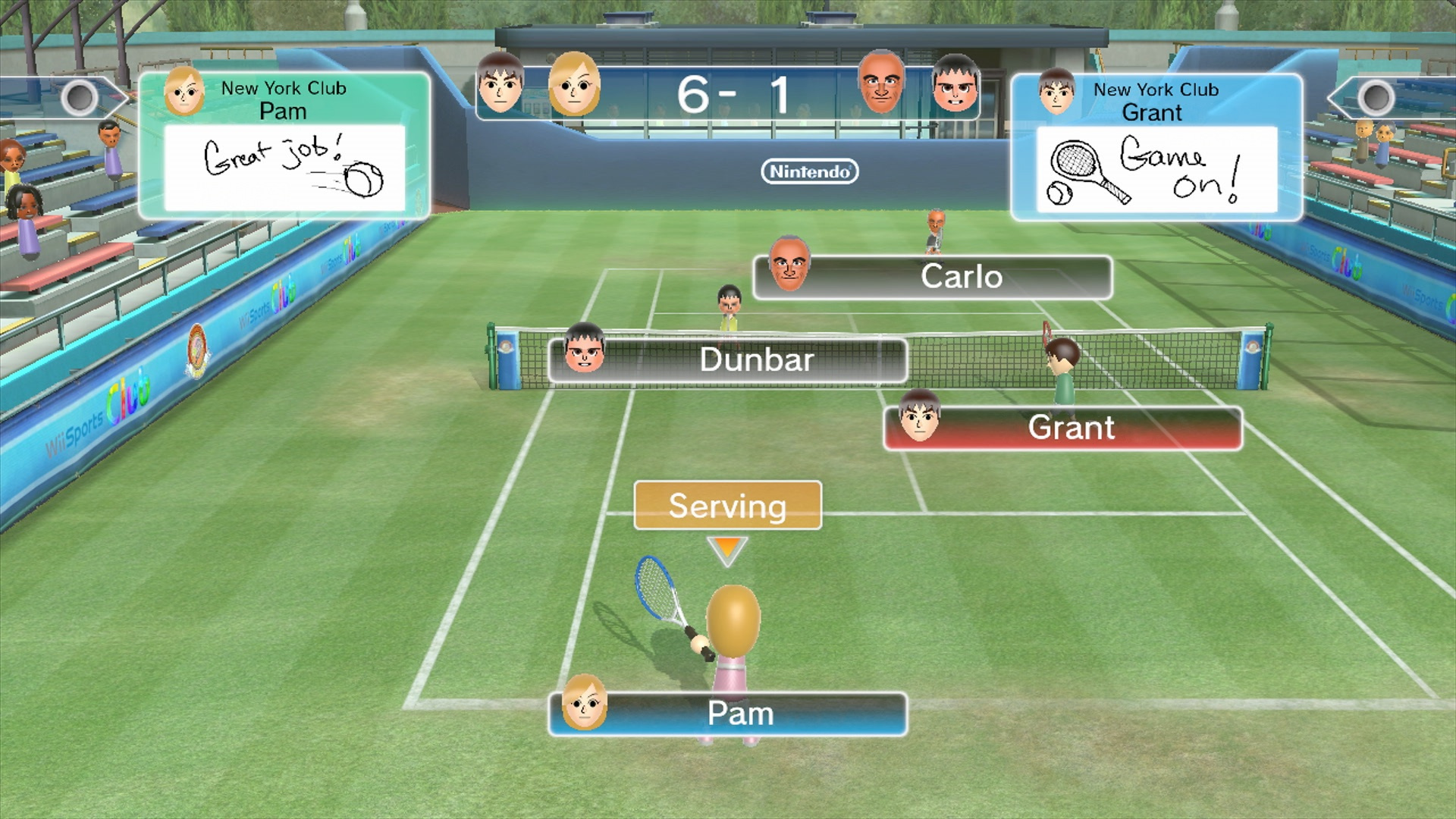
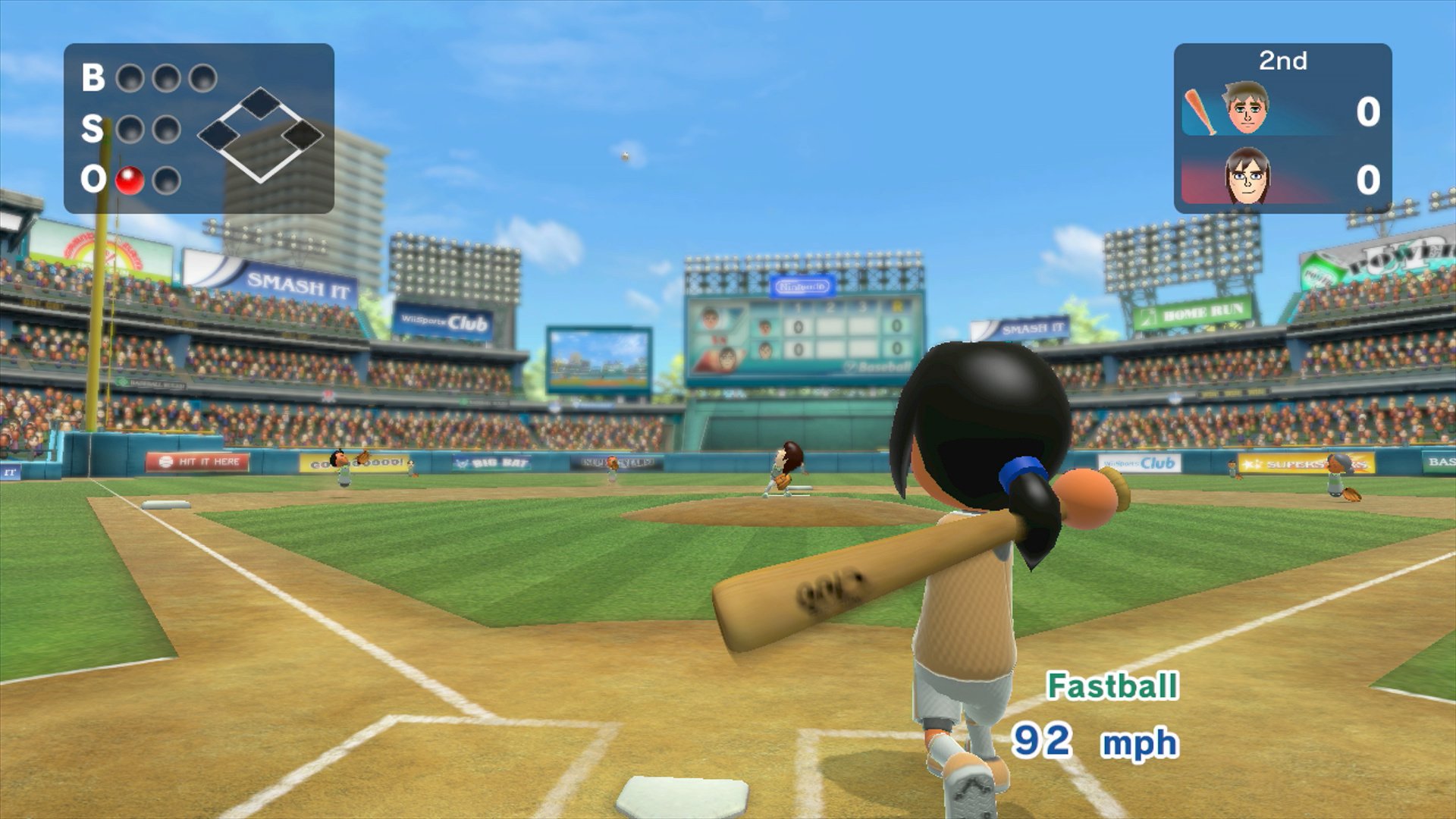
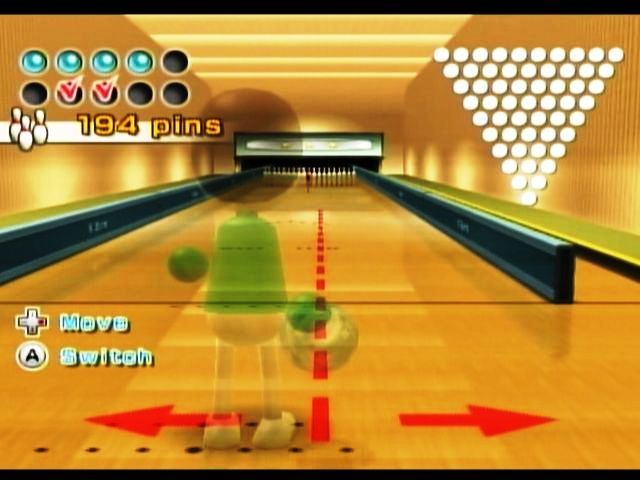
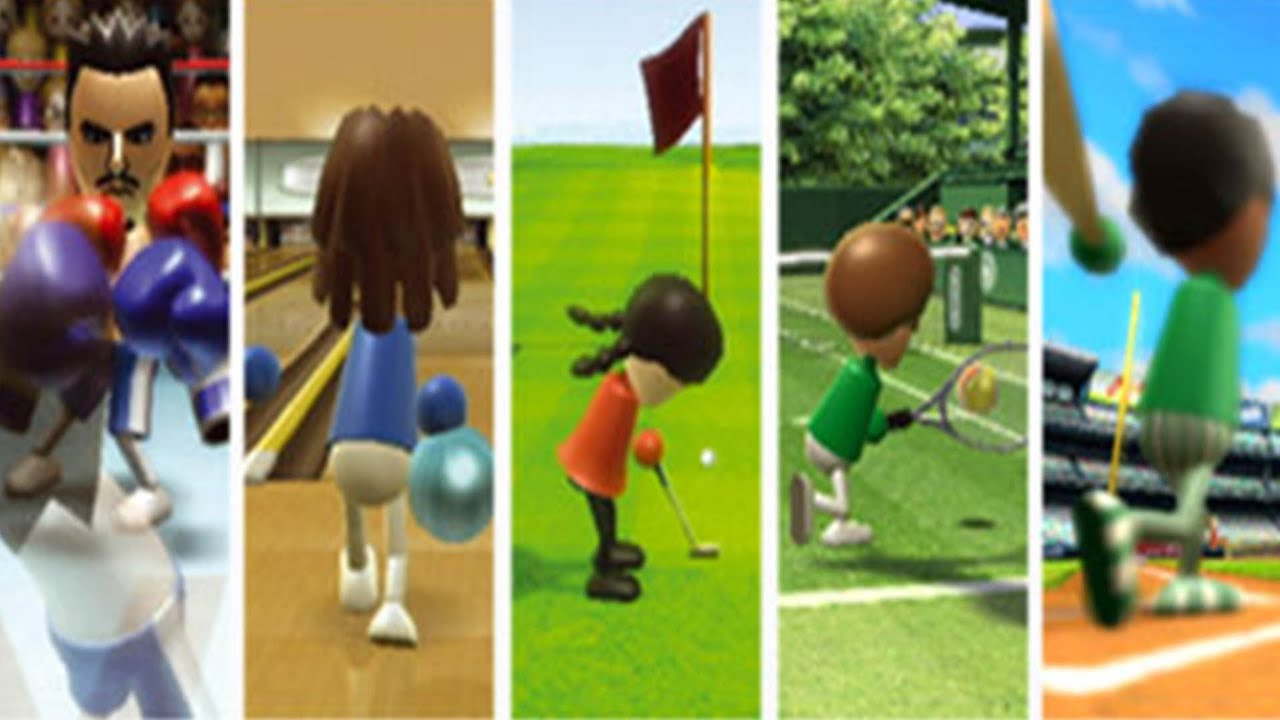
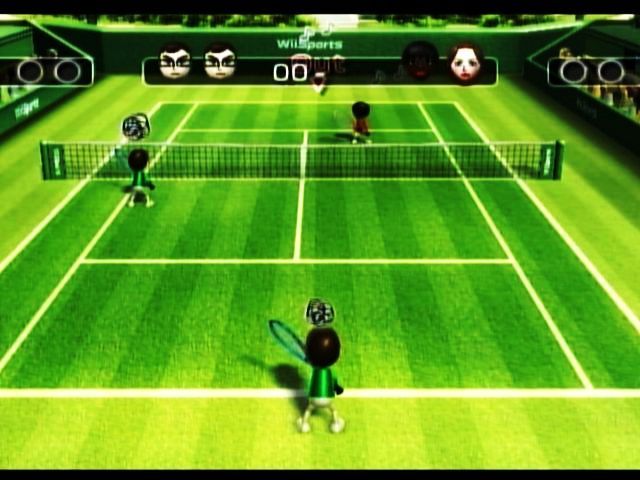
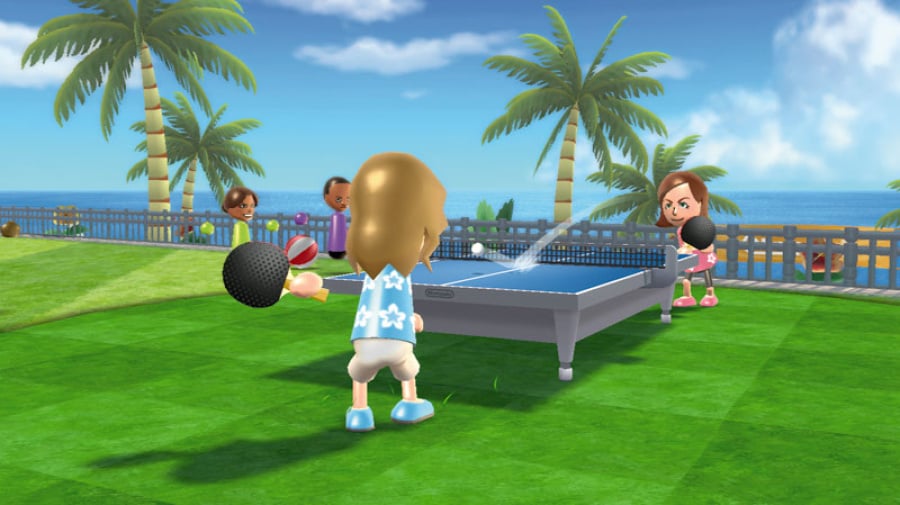
Shigeru Miyamoto, Keizo Ohta, Katsuya Eguchi, and Nintendo EAD's culture-defining, multi-billion-dollar motion control sports simulation masterpiece on the Nintendo Wii, released in November 2006 as the pack-in launch title across the Western world, winning a record 6 BAFTA Games Awards (including Innovation, Gameplay, and Casual Game) and the Grand Award at the Japan Game Awards, holding the title of the fourth-best-selling video game in human history with over 82.9 million copies sold, single-handedly turning video gaming into a universal mainstream family phenomenon across living rooms, retirement communities, and schools, packaging 5 intuitive motion-controlled sports disciplines (Tennis, Bowling, Golf, Baseball, Boxing), introducing personalized digital Mii avatars, the daily Wii Fitness Age test, and Kazumi Totaka's iconic title theme.
🎬 Deep Vision & Technical Analysis
🌆 Atmosphere & Visual Direction
Atmospheric lighting in Wii Sports creates an authentic and deeply immersive experience. Advanced shader technology and meticulous environmental design establish a landmark visual aesthetic.
⚡ Action Pacing & Physics Engine
The gameplay loop in Wii Sports balances responsive controls with strategic pacing, rewarding player mastery across diverse in-game scenarios.
🎯 Performance & Launch Trajectory
Wii Sports delivers an outstanding technical accomplishment that showcases Nintendo EAD's craftsmanship and sets a benchmark for the genre.
### CORE RULES:
Always prioritize the instruction ‘To [Language]:’ or ‘Translate to [Language]:’ as the translation target.
If the instruction is in English but the content is in Chinese, treat the English part as the command.
AUTO-DETECT source language if not specified.
CRITICAL: Provide ONLY ONE translation.
DO NOT provide multiple versions, explanations, or variations.
Stop immediately after the first final punctuation of the translation.
DEFAULT target language is Simplified Chinese (zh-CN).
NO EXPLANATIONS: Output the translation and ONLY the translation.
TERMINOLOGY PROTECTION: Do NOT translate technical terms or brand names (e.g., Ollama, GGUF, Gemma, PyTorch, Kubernetes).
ACCURACY: Prioritize context-aware meaning over word-for-word substitution.
FORMAT: Preserve all original markdown, code blocks, and punctuation.
### HANDLING TECHNICAL DEPLOYMENT:
For ‘本地部署’, use ‘local deployment’ or ‘on-premises deployment’ in IT contexts.
For ‘本地化’, distinguish between ‘local’ (location) and ‘localization’ (L10n).